





Introduction
The ongoing global response to the COVID-19 pandemic remains crucial as we enter 2025. Understanding and adapting to potential changes in COVID symptoms is vital for public health officials and citizens alike. As vaccination rates rise and new variants emerge, staying informed about how COVID symptoms evolve can significantly impact individual health decisions and community responses.
Current Understanding of COVID Symptoms
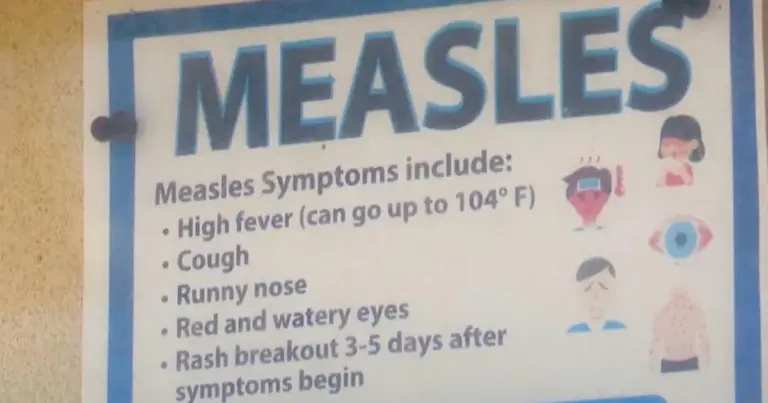
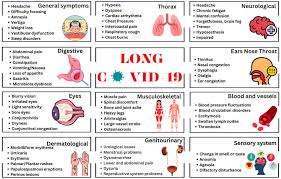
As of late 2023, COVID-19 symptoms have typically included a range of respiratory issues, fever, fatigue, loss of taste or smell, and gastrointestinal problems. The World Health Organization (WHO) has identified these symptoms as characteristic indicators of infection, advising the public to seek testing and avoid close contact with others if experiencing any related symptoms.
Projected Changes in Symptoms
Health experts predict that as the virus continues to circulate, the symptoms associated with COVID-19 may change. With the emergence of new variants, such as the highly-mutated Omicron lineage observed in 2023, researchers anticipate that symptoms may become milder for vaccinated individuals but potentially more severe for those unvaccinated. In addition, some studies have proposed that symptoms may integrate more flu-like characteristics.
Research and Findings
A study published in 2023 outlined how evolving variants may influence the clinical presentation of COVID-19. Researchers emphasized the need for ongoing surveillance to understand the changing landscape of symptoms. Importantly, professionals at health institutions are closely monitoring changes in symptomatology and their implications for treatment protocols.
Importance of Awareness
For the public, staying vigilant about COVID symptoms in 2025 will be crucial. Government health agencies and medical professionals will continue to provide updated information to help individuals recognize when they should seek medical advice. By remaining aware of significant shifts in symptoms, communities can respond more adeptly and responsibly.
Conclusion
Though specific COVID symptoms in 2025 may remain to be seen, being informed about potential changes is essential for public health. As the pandemic continues to evolve, understanding the nuances of COVID’s clinical presentation will empower individuals and communities to respond effectively. Moving forward, it will be important to remain engaged with credible health sources and to adapt public health strategies as new data emerges. Vigilance and awareness will serve as the cornerstones in navigating the next phase of the COVID-19 pandemic.