










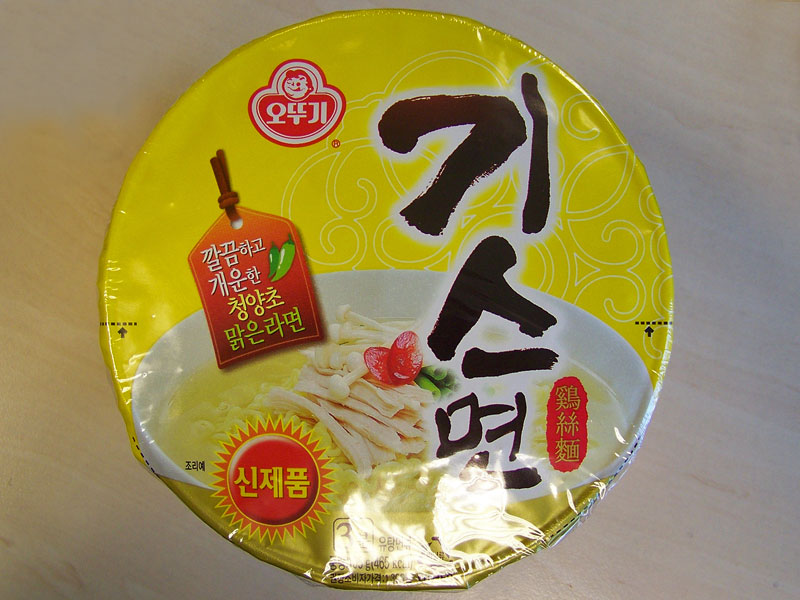
Introduction to Ramen
Ramen, a Japanese noodle soup dish, has transcended its humble origins to become a global culinary sensation. With its rich flavours and comforting qualities, ramen has found a place in the hearts and stomachs of food enthusiasts around the world. Its cultural significance, combined with the rise of food tourism and the globalisation of food trends, has ensured that ramen remains a relevant topic in today’s culinary landscape.
The Origins and Evolution of Ramen
Ramen’s roots can be traced back to Chinese wheat noodles, which were brought to Japan in the early 20th century. Over time, it evolved into a distinct dish, with Japanese chefs adding unique ingredients and styles. Today, there are various ramen types, such as Shoyu (soy sauce), Miso, and Tonkotsu (pork bone), each representing different regional cultures within Japan. The introduction of instant ramen in the 1950s by Momofuku Ando revolutionised accessibility, leading to a significant, widespread acceptance of the dish.
Ramen’s Global Popularity
In recent years, ramen has witnessed a remarkable surge in popularity outside Japan. Cities like Los Angeles, New York, and London are now home to a plethora of ramen shops, each putting their spin on the traditional dish. High-end ramen restaurants, such as Tsuta in Tokyo, which received a Michelin star, showcase the dish as a gourmet experience, elevating its status in global cuisine. The rise of social media also plays a critical role in this trend, as visually appealing dishes prompt users to share their experiences, further amplifying interest.
The Cultural Impact of Ramen
The popularity of ramen has led to an increased appreciation for Japanese culture and food. Ramen festivals, cooking classes, and pop-up restaurants are proliferating, serving both as entertainment and culinary exploration. This cultural exchange helps foster a greater understanding and appreciation of regional cuisines, as ramen lovers dive deeper into the ingredients and cooking methods that differentiate one type of ramen from another.
Conclusion: The Future of Ramen
As ramen continues to gain traction globally, it is clear that this dish is more than just a meal; it is a vessel for cultural exchange and culinary innovation. With an ongoing rise in health-conscious eating, the ramen industry is likely to adapt, offering new flavours and sustainable options. As we witness the evolution of ramen, it serves as a reminder of how food can connect us across different cultures, all while satisfying our cravings for comfort and flavour.