










Introduction
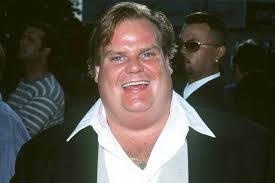
Chris Farley remains an unforgettable figure in the world of comedy, celebrated for his larger-than-life personality and slapstick humour. His unique comedic style captivated audiences during the 1990s, making him a beloved staple on ‘Saturday Night Live’ and in a series of successful films. The significance of Farley’s work continues to resonate today, influencing a new generation of comedians and fans alike.
Farley’s Early Life
Born on February 15, 1964, in Madison, Wisconsin, Chris Farley’s journey to stardom began at Marquette University, where he studied communications and theatre. Following graduation, Farley honed his comedic skills in Chicago’s Second City improv troupe, where he developed his signature comedic persona—a mix of physical comedy, outrageous characters, and a sincere approach that endeared him to audiences.
Rise to Fame
Farley’s big break came in 1990 when he joined the cast of ‘Saturday Night Live.’ His exuberant characters, such as the motivational speaker Matt Foley and the Chippendales dancer, showcased his physical comedy talents. During his five-year tenure on SNL, he became renowned for his energy and comedic timing, leaving a lasting impact on the show.
Beyond SNL, Chris Farley starred in several iconic films, including ‘Tommy Boy’ (1995) and ‘Beverly Hills Ninja’ (1997). ‘Tommy Boy,’ co-starring David Spade, became a cult classic and highlighted Farley’s ability to blend comedy with heartfelt moments, securing his place as a leading comedic actor of the era.
Challenges and Legacy
Despite his professional success, Farley’s personal struggles with addiction were well-documented. These challenges ultimately contributed to his untimely death on December 18, 1997, at the age of 33. His tragic passing shocked fans and colleagues alike, highlighting the often-hidden struggles faced by those in the entertainment industry.
In the years following his death, Chris Farley’s legacy has only grown. His memorable sketches and characters continue to be celebrated, inspiring countless comedians and driving interest in his body of work. Several documentaries, including ‘I Am Chris Farley’ (2015), honour his life and career, reflecting on both his achievements and struggles.
Conclusion
Chris Farley’s influence on comedy remains profound, reflecting a talented individual whose work transcended mere entertainment. As current and future comedians draw inspiration from his unique comedic style, Farley’s legacy endures, reminding fans of the joy he brought to millions. In this era of renewed interest in classic comedy, Chris Farley stands as a steadfast symbol of laughter, illustrating the enduring power of humour in connecting people across generations.