The Importance of Erdogan in Today’s Turkey
Recep Tayyip Erdogan, the current President of Turkey, has been a pivotal figure in shaping the country’s political direction since he first assumed office in 2003 as Prime Minister. His leadership style and policies have garnered both fervent support and staunch criticism, playing a significant role in Turkey’s domestic and international affairs.
Erdogan’s Rise to Power
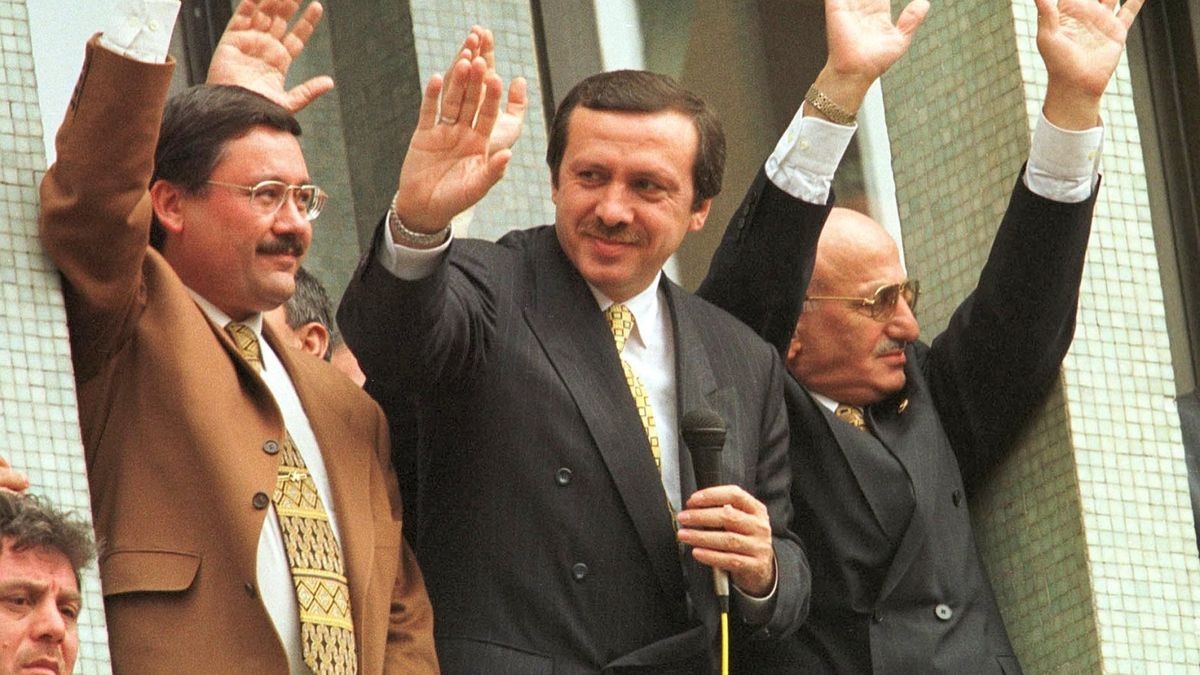
Erdogan began his political career in the late 1990s with the Welfare Party, before establishing the Justice and Development Party (AKP) in 2001. His government is noted for implementing various economic reforms that have led to significant growth in Turkey during the early years of his tenure. However, following the Gezi Park protests in 2013, Erdogan faced increasing opposition, raising concerns about his increasingly authoritarian governance style.
Political Changes and Challenges
In 2017, a controversial referendum led to the expansion of presidential powers, a move that many analysts suggest has undermined democratic institutions in Turkey. Erdogan’s administration has been marked by crackdowns on dissent, targeting journalists, academics, and political opponents. The recent local elections have showcased a shift in political sentiment, with opposition parties winning significant victories in key cities such as Istanbul and Ankara, raising questions about the longevity of Erdogan’s rule.
International Relations and Economic Impact
Erdogan’s foreign policy has also drawn attention, particularly his stance on refugees, NATO relations, and military interventions in Syria and Libya. Turkey’s handling of the Syrian refugee crisis has significantly impacted its relations with the European Union. Furthermore, ongoing economic challenges, including a high inflation rate and currency depreciation, have put additional pressure on Erdogan’s administration as it aims to restore public confidence.
Conclusion: The Future of Turkey Under Erdogan
As Turkey approaches the next presidential elections, the implications of Erdogan’s policies and leadership style will continue to resonate. While he has maintained a strong base of support, the emerging challenges both domestically and internationally suggest a potential shift in the political landscape. Analysts anticipate that the upcoming period will test Erdogan’s adaptability in addressing economic issues and managing a diverse and increasingly vocal citizenry. The significance of Erdogan’s continued leadership is paramount, as it will ultimately shape Turkey’s trajectory in the coming years.