Introduction
Oslo, the capital city of Norway, is known for its stunning landscapes, rich history, and vibrant cultural scene. As one of the fastest-growing cities in Europe, Oslo has become a crucial hub for innovation, sustainability, and tourism. Understanding Oslo’s significance not only highlights its role in Norway’s identity but also underscores its contributions to various sectors, including economy, education, and environmental initiatives.
Cultural and Historical Significance
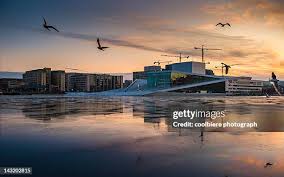
Oslo boasts a unique blend of old and new, reflected in its architecture ranging from historic sites like the Akershus Fortress to modern landmarks such as the Oslo Opera House. The city is home to numerous museums like the Viking Ship Museum and the Munch Museum, which celebrate Norway’s artistic heritage and maritime history. The recent development of artistic districts, such as the Barcode Project in Bjørvika, has also attracted significant attention and tourism, showcasing Oslo’s commitment to art and modern infrastructure.
Current Events and Developments
As of 2023, Oslo has been at the forefront of initiatives aimed at climate action and sustainability. The city has set ambitious goals to reduce greenhouse gas emissions by 95% by 2030. Oslo was named European Green Capital in 2019, showcasing its investment in green technologies and urban infrastructure. Events like the Oslo Climate and Energy Summit have placed the city as a venue for discussions around sustainability, drawing attention from world leaders and environmental activists.
Tourist Attractions
The influx of tourists to Oslo continued through 2023, with attractions such as the Holmenkollen Ski Museum and the Vigeland Sculpture Park drawing international crowds. The revitalisation of the waterfront area has also created a lively atmosphere with restaurants, shops, and recreational areas. Furthermore, annual events like the Oslo Jazz Festival and Oslo Fashion Week contribute to the city’s dynamic cultural landscape, making it a must-visit for those interested in urban experiences.
Conclusion
In conclusion, Oslo represents much more than just the capital of Norway. It is a city that embodies progress and tradition, with ongoing initiatives to become a greener and more inclusive environment. As the city continues to grow and evolve, fostering a balance between historical preservation and modern innovation, it holds significant implications for both its residents and visitors alike. For anyone looking to experience the heart of Norway, Oslo serves as an ideal destination, promising cultural richness, beautiful nature, and continued relevance on the world stage.