










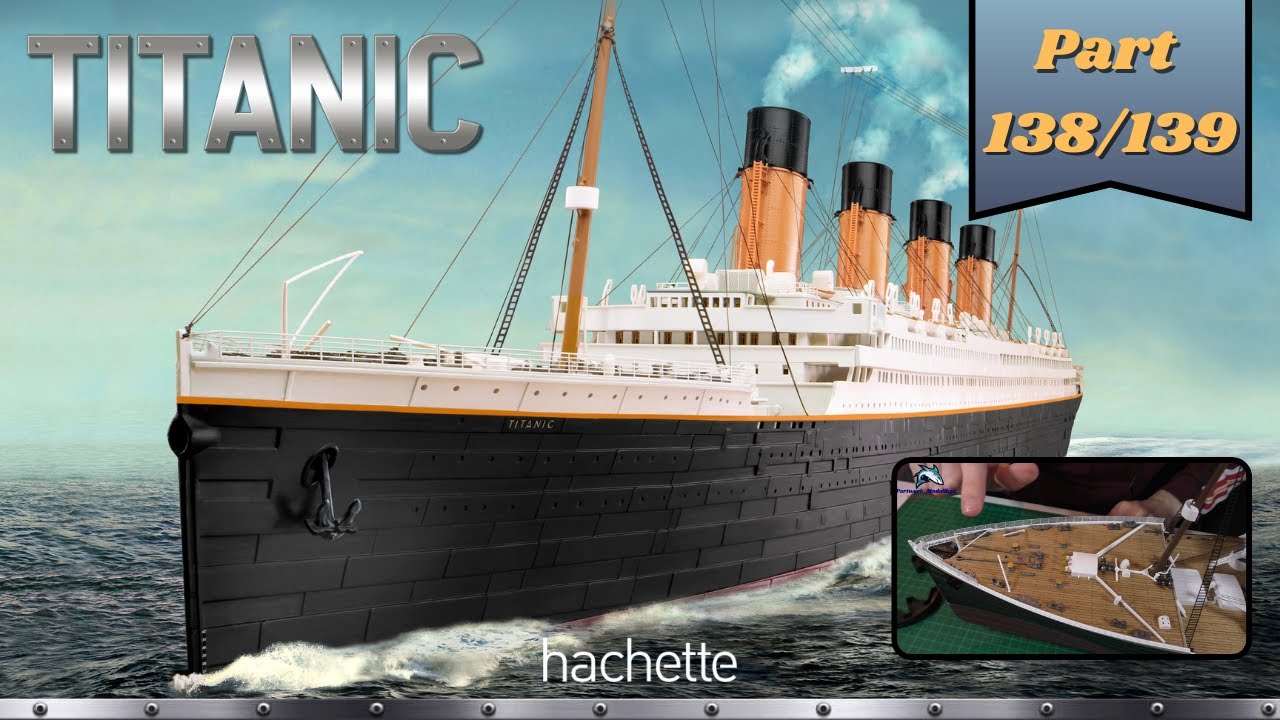
The Importance of the Titanic
The Titanic, a British passenger liner, is synonymous with maritime disaster, representing both human ambition and the grim reality of nature’s power. Launched in 1912, the ship was a marvel of modern engineering, designed to be the largest and most luxurious ocean liner of its time. Its tragic sinking on 15 April 1912, during its maiden voyage from Southampton to New York City, serves as a crucial lesson in safety regulations and human error. Understanding the Titanic is essential, as it not only reshaped passenger ship safety standards but also continues to captivate the global imagination.
Key Events Surrounding the Titanic’s Voyage
On the evening of 14 April 1912, the Titanic struck an iceberg in the North Atlantic, leading to a catastrophic failure that resulted in over 1,500 lives lost. The devastation incited a worldwide shock and transformed perceptions of sea travel. Following the disaster, safety regulations were overhauled, leading to the establishment of the International Convention for the Safety of Life at Sea (SOLAS) in 1914. Modern ships now adhere to rigorous safety standards, including lifeboat capacity, ice patrol services, and improved navigational equipment, to prevent similar tragedies.
The Titanic’s Cultural Impact
Beyond its immediate impact, the Titanic saga has permeated art, literature, and film, with numerous adaptations bringing the event to popular culture. James Cameron’s 1997 film not only rekindled public interest in the story but also highlighted the human stories behind the tragedy, helping a new generation grasp its significance. The Titanic has also inspired exhibitions and museum displays, showcasing artifacts recovered from the wreck site and educating visitors on the history of maritime exploration and safety.
Conclusion: Lessons Learned and Future Implications
The sinking of the Titanic stands as a testament to both human ingenuity and vulnerability. Its legacy continues to resonate today, underscoring the necessity for stringent safety measures in all facets of engineering and travel. As innovations in technology progress, it is crucial for the maritime industry to remember the lessons of the Titanic. Reflection on such monumental events not only pays homage to those who lost their lives but also serves to remind us of the importance of safety and humanity’s capacity for resilience in the face of tragedy.