





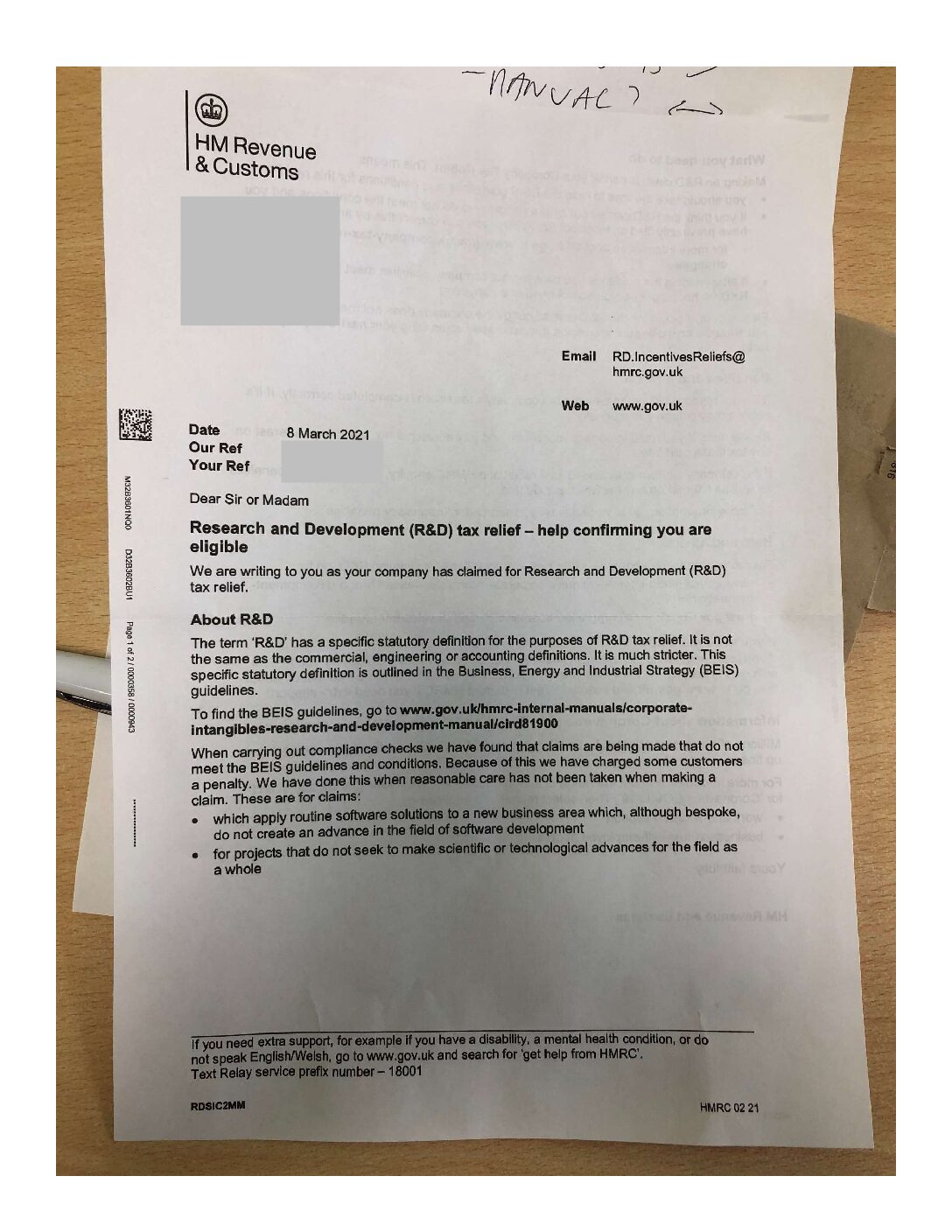
Introduction to HMRC
The Her Majesty’s Revenue and Customs (HMRC) plays a pivotal role in the United Kingdom’s economic framework. As the tax authority, it is responsible for collecting taxes, paying some forms of welfare, and managing the UK’s customs, excise duties, and the national insurance contribution system. Understanding its functions, recent developments, and relevance to citizens is critical, especially given the ongoing economic changes impacted by global events and domestic policies.
Key Functions of HMRC
HMRC serves several key functions that directly influence both the state’s revenues and individuals’ lives. Firstly, it collects a significant percentage of the government’s income, with estimates suggesting that it chalks up £700 billion annually from various taxes such as income tax, corporation tax, and VAT. These funds are crucial for funding public services, welfare systems, and infrastructure projects across the UK.
Additionally, HMRC is responsible for ensuring compliance with tax laws. This includes conducting audits and investigations to prevent tax evasion and fraud. The department also administers programmes that support taxpayers, such as the Making Tax Digital initiative, which aims to streamline tax reporting via digital platforms.
Recent Developments
In recent months, HMRC has taken significant steps to adapt to changes in both technology and taxpayer needs. The COVID-19 pandemic brought about a rapid transition in remote working and digital services, raising the agency’s priority on enhancing cyber security measures to protect taxpayer information.
Moreover, HMRC has introduced new compliance strategies focused on large businesses, aiming to close the tax gap and promote fairness in tax contributions across the economy. From April 2023, the agency is implementing changes in the way businesses report their tax obligations, moving towards a more integrated digital system which aligns with the government’s vision for a modernised tax collection framework.
Conclusion
As HMRC continues to navigate an evolving economic landscape defined by challenges and opportunities, its significance remains undiminished. The reforms and innovative strategies it is implementing signal a commitment to improving efficiency, accountability, and taxpayer engagement. For UK taxpayers and businesses, staying informed about HMRC’s regulations and digital advancements is paramount. The agency’s efforts not only shape economic stability in the present but also lay the groundwork for future sustainability in the tax system.
As the economic landscape continues to shift with unforeseen global events, the effectiveness of HMRC will be tested further, making its roles and reforms particularly noteworthy for all stakeholders.