Introduction
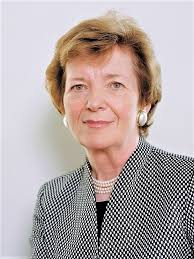
Mary Robinson, the former President of Ireland and a renowned advocate for climate justice, has remained at the forefront of global discussions regarding climate change and human rights. Her work is critical in emphasizing the interconnections between climate action, social justice, and equality, making her one of the most influential public figures in contemporary environmental and humanitarian movements.
Current Involvement and Initiatives
In recent months, Robinson has been vocal about the climate crisis, particularly in light of the alarming report from the Intergovernmental Panel on Climate Change (IPCC), highlighting the urgency of taking substantial and immediate climate action. She has been advocating for the United Nations Framework Convention on Climate Change (UNFCCC) and the Paris Agreement, stressing that countries must honour their commitments to reduce carbon emissions and enhance resilience against climate impacts.
Robinson’s work with the Mary Robinson Foundation – Climate Justice has been instrumental in raising awareness of how climate policies disproportionately affect vulnerable communities. This foundation aims to provide a platform for the voices of those impacted by climate change, ensuring that their stories and needs are recognised in global policy-making discussions.
Public Engagement and Advocacy
Mary Robinson’s recent speeches and public engagements have highlighted the importance of integrating gender equality with climate action. During a global forum earlier this year, she stated, “Women are often the first to suffer the impacts of climate change, yet they are also powerful agents of change.” Her advocacy for women’s empowerment in climate action resonates with many grassroots organisations around the world, garnering support for initiatives that empower women to lead sustainability efforts.
Moreover, with numerous global climate events scheduled in the upcoming months, Robinson is expected to play a vital role. She is urging world leaders to set ambitious targets for emissions reductions, commit to climate justice, and acknowledge their accountability towards developing nations facing the brunt of climate impacts.
Conclusion
Mary Robinson’s continued commitment to climate justice and human rights underscores the critical need for integrated approaches to confront the climate crisis. As an influential figure, her advocacy is expected to inspire climate action and policy reform in the coming years. With looming climate deadlines and increasing environmental challenges, Robinson’s voice remains vital to ensuring that justice and equality are at the forefront of global climate debates. For readers, staying informed and engaged with these discussions is crucial, as collective action is necessary to tackle the pressing challenges posed by climate change.