








Introduction
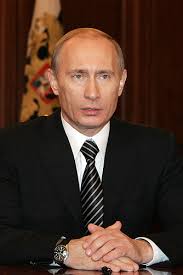
The figure of Vladimir Putin, the President of Russia, looms large in the sphere of global politics. His leadership style and decision-making processes have far-reaching consequences not just for Russia but for the entire world. As nations grapple with issues of sovereignty, security, and diplomacy, understanding Putin’s role becomes increasingly essential to analyse international relations today.
Recent Global Events Shaped by Putin
In recent months, several significant events have highlighted Putin’s impact on the international stage. The ongoing conflict in Ukraine, which escalated dramatically with Russia’s invasion in February 2022, continues to dominate headlines. This conflict has not only prompted a severe humanitarian crisis but has also redefined European security dynamics. In response, NATO has strengthened its eastern flank, with countries like Sweden and Finland seeking membership, signalling a shift in military alliances in direct response to perceived Russian aggression.
Meanwhile, Putin’s relationships with other global powers, notably China and India, are evolving. These nations have maintained a level of neutrality regarding the Ukraine conflict while strengthening their economic ties with Russia. This shift indicates a potential realignment of international power dynamics, with Putin leveraging these alliances to counter Western sanctions and influence global trade.
Domestic Challenges Amidst Global Assertions
Despite his assertive foreign policy, Putin faces considerable domestic challenges. The economic repercussions of the ongoing sanctions, coupled with an increasingly dissatisfied populace, have begun to create cracks in his power base. Recent protests and dissent signal that not all Russians are supportive of the war and the ensuing hardships that it has brought upon ordinary citizens. As economic conditions worsen, with inflation rising and public services under strain, the stability of Putin’s regime may come into question.
Conclusion
As Vladimir Putin navigates both domestic and international arenas, the coming months could be crucial in determining not only the future of his leadership but also the broader geopolitical landscape. Observers are keenly watching how Putin manages these complexities, particularly in light of potential reforms and further military engagements.
Ultimately, the influence of Vladimir Putin and Russia will remain a significant factor in shaping global events, security, and alliances in the foreseeable future. For readers, remaining informed on these developments is vital to understanding the complexities of international relations and global stability.