Introduction
Cordoba, located in the southern region of Spain known as Andalusia, is a city steeped in history and cultural significance. Its relevance today is shining brighter than ever, particularly as international tourism begins to recover post-pandemic. Cordoba boasts a UNESCO World Heritage Site status, and its architectural marvels, particularly the famous Mezquita-Catedral, showcase the city’s rich Islamic and Christian heritage. Recently, Cordoba has seen a surge in interest from travelers eager to explore its vibrant streets and historical landmarks.
Historical Significance
Founded by the Romans in 152 BC, Cordoba later became the capital of the Muslim rule through the Umayyad dynasty in the 8th century. It was a beacon of culture during the European Middle Ages, known for advancements in philosophy, science, and art. The city maintained the title of the largest and most populous city in Europe for several centuries. Today, visitors can experience this rich history in its well-preserved sites, including the ancient Roman temple ruins, winding narrow streets of the Jewish quarter, and the spectacular Alcázar de los Reyes Cristianos.
Architectural Marvels
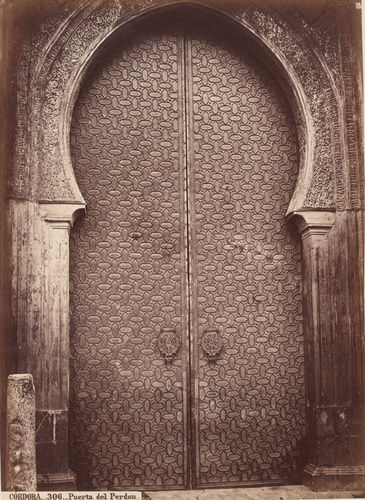
The Mezquita-Catedral, originally a mosque, stands as a testament to Cordoba’s unique blend of religious influences. With its iconic horseshoe arches and stunning mihrab, it attracts countless tourists and scholars each year. Recent restorations and conservation efforts have aimed to preserve its grandeur. The city’s historic patios, renowned for their colourful flowers and intricate designs, have also captured the imagination of many, leading to the annual Patios Festival every May, which celebrates these beautiful outdoor spaces.
Modern Developments
In recent times, Cordoba has embraced modernity while honouring its historical past. Investment in tourism infrastructure has led to improved accessibility for visitors, including enhanced public transport and new hotel accommodations. Cultural events such as food festivals and art exhibitions have also gained popularity, aimed at engaging both locals and tourists. The city’s gastronomy, known for traditional dishes like salmorejo and flamenquín, continues to evolve, showcasing innovative culinary practices that draw food enthusiasts.
Conclusion
Cordoba presents a unique blend of historical splendour and modern vibrancy, making it a pivotal cultural destination in Spain. As tourism continues to rebound, Cordoba is poised to attract even more visitors eager to experience its rich past and lively present. For those looking to explore a city that encapsulates diverse cultural influences and stunning architecture, Cordoba offers an unforgettable experience.