Introduction
Snapdragon chipsets, developed by Qualcomm, are ubiquitous in the world of mobile technology. As the cornerstone of many smartphones, tablets, and other connected devices, these chipsets play a crucial role in enhancing user experience through improved performance and power efficiency. With a rapidly evolving technological landscape, the importance of Snapdragon chipsets has never been more pronounced.
Current Developments in Snapdragon Technology
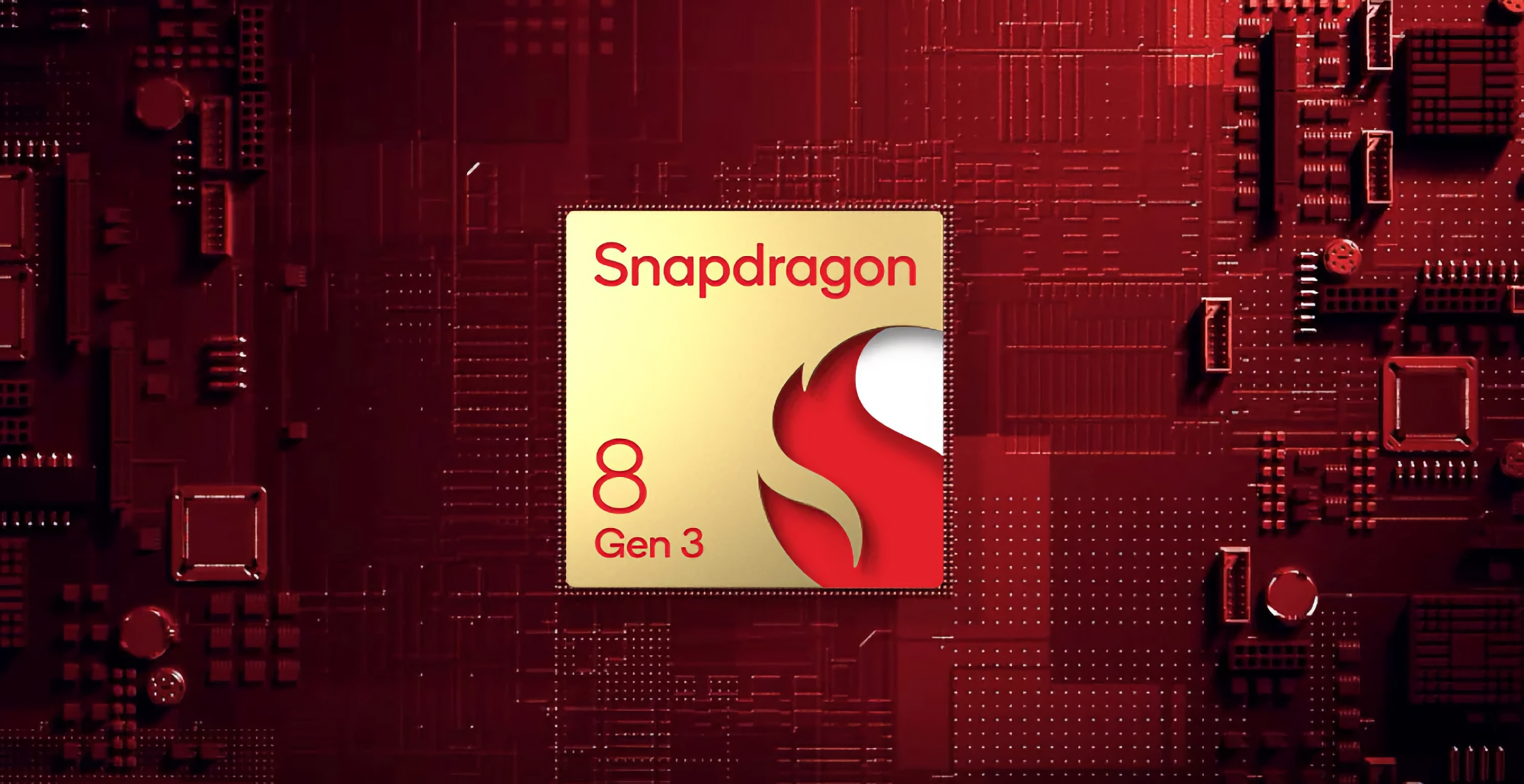
Recently, Qualcomm announced the launch of the Snapdragon 8 Gen 2 chipset, which is set to revolutionise the performance standards for mobile devices. This newest iteration features advancements in AI capabilities, graphics processing, and energy efficiency. One of its standout features is the enhanced AI Engine, which allows for more sophisticated machine learning applications on smartphones, enabling experiences such as advanced photography and personalised user interfaces.
Integration Across Devices
Snapdragon chipsets are not limited to smartphones. They are also found in a range of connected devices, including laptops, IoT gadgets, and wearables. The versatility of Snapdragon architecture allows manufacturers to create products that deliver powerful performance while maintaining battery efficiency. For example, the collaboration between Microsoft and Qualcomm has led to the development of Windows laptops powered by Snapdragon chipsets, which offer always-on connectivity and extended battery life.
Implications for the Future
The rise of 5G technology has further cemented the importance of Snapdragon chipsets. With 5G becoming increasingly accessible around the world, Snapdragon chipsets are at the forefront of utilising this high-speed connectivity, enabling new forms of interaction and data transfer. As businesses, education, and social connections increasingly rely on digital platforms, the quality and speed provided by Snapdragon technology become imperative.
Conclusion
Looking ahead, Snapdragon chipsets are poised to continue shaping the mobile technology landscape. As Qualcomm innovates and introduces more advanced features, users can expect better performance, connectivity, and overall experience from their devices. The significance of these chipsets extends beyond the smartphone market; they are integral to the broader ecosystems of connectivity and digital interaction, signalling an exciting era for consumers and developers alike.