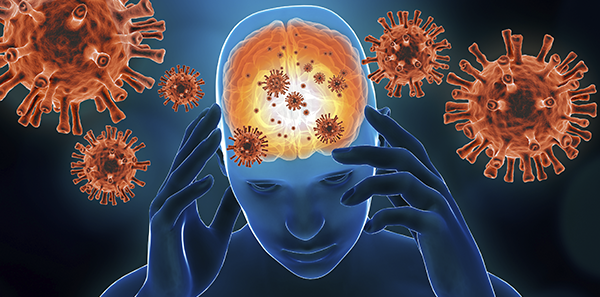
Introduction to Meningitis
Meningitis is a serious condition characterised by the inflammation of the protective membranes covering the brain and spinal cord. It can be caused by infections from bacteria, viruses, fungi, or parasites. The importance of understanding meningitis lies in its potential to lead to severe health complications or even death if left untreated. Awareness and education about this disease are crucial, especially as current events highlight outbreaks and the need for vaccinations.
Types of Meningitis
Meningitis can be categorised into several types:
- Bacterial Meningitis: This is the most severe form and requires immediate medical attention. Bacterial infections can spread rapidly and lead to brain damage, hearing loss, or learning disabilities.
- Viral Meningitis: Generally less severe than bacterial meningitis, viral meningitis often resolves without treatment. Common causes include enteroviruses, mumps, and herpes simplex virus.
- Fungal and Parasitic Meningitis: These forms are rarer but can occur, especially in individuals with weakened immune systems. Fungal meningitis, for instance, is often related to infections from the environment, such as histoplasmosis.
Current Trends and Data
Recent data from the World Health Organization (WHO) indicates a worrying rise in reported cases of meningitis globally. Increased awareness of symptoms and vaccination efforts have made strides in prevention. However, annual reports show that there are still an estimated 2.5 million cases worldwide, with a significant number resulting in death or long-term complications. Countries in the African meningitis belt remain particularly vulnerable, experiencing seasonal epidemics.
Symptoms of Meningitis
Recognising the symptoms of meningitis is vital for early diagnosis and treatment. Common signs include:
- Severe headache
- Stiff neck
- Fever
- Nausea or vomiting
- Increased sensitivity to light
- Altered mental status
Parents and caregivers should be especially vigilant for these symptoms in children, as they may present differently.
Prevention and Conclusion
Preventive measures against meningitis include vaccinations, which are effective in reducing the incidence of bacterial meningitis. Vaccines are available for several strains, including meningococcal, pneumococcal, and Haemophilus influenzae type b (Hib). Public health campaigns continue to emphasise the importance of vaccination and educating young adults, especially those in communal living situations, about the risks.
In conclusion, meningitis remains a critical public health issue requiring ongoing attention. Awareness, early detection, and vaccination are essential in preventing this potentially life-threatening condition. As research continues and health policies evolve, it is imperative that communities stay informed and vigilant to mitigate the impact of meningitis.