










Introduction
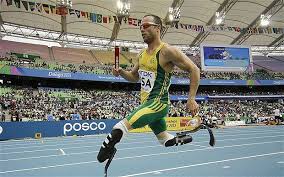
The case of Oscar Pistorius remains one of the most talked-about legal dramas in sports history. The Paralympic champion, who once inspired millions with his remarkable achievements, has become synonymous with a tragic narrative that parallels the sobering realities of violence and justice in society. His high-profile trial for the 2013 murder of girlfriend Reeva Steenkamp captivated the world and raised profound questions about gun laws, gender violence, and legal accountability in South Africa.
The Murder Trial
In February 2013, the world was stunned when Reeva Steenkamp was killed by Oscar Pistorius, who claimed that he mistook her for an intruder in the early hours of the morning. His subsequent trial highlighted the distinct differences between public personas and private lives. The proceedings began in 2014, dragging on for nearly seven months as both sides presented compelling evidence. Ultimately, Pistorius was found guilty of culpable homicide, which was later elevated to murder upon appeal by the prosecution, leading to a six-year prison sentence.
Public Reaction and Media Coverage
The trial attracted intense media coverage, not just in South Africa but globally. It forced society to confront issues of domestic violence and the effect of individual celebrity on public perception and judicial outcomes. Activists argued that the case placed a spotlight on the rampant levels of gender-based violence in South Africa, calling for broader societal and legal reforms. This controversy sparked protests, online campaigns, and discussions revolving around respect for women and social justice.
Recent Developments
In 2016, Pistorius’ sentence was increased to 13 years after an appeal by the state’s prosecution. His incarceration has been controversial, raising questions regarding the treatment of high-profile defendants in prison. Following his release on parole in 2021, Pistorius began serving home detention, a decision that was met with mixed public reactions, reigniting discussions about justice and mercy, particularly within the context of celebrity privilege.
Conclusion
The Oscar Pistorius case resonates long after the trial and subsequent experiences of incarceration are over. It remains a glaring reminder of the complexities within the legal system and the consequences of violence, fame, and gender dynamics. As South Africa continues to grapple with high rates of violence against women, the legacy of this tragic case persists, urging society to foster continuous dialogue and action aimed at creating safer, more equal communities. The Pistorius case is not just a story of a fallen athlete; it is a call to action for justice and reform that is urgently needed.