Introduction
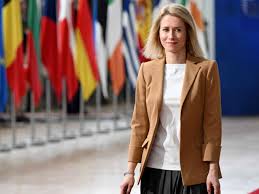
Kaja Kallas, the Prime Minister of Estonia, has emerged as a significant figure in European politics since taking office in January 2021. Her leadership is crucial not only for Estonia but also as part of the broader geopolitical landscape in Europe, especially in response to the challenges posed by neighbours such as Russia. Kallas’s policies and decisions greatly influence the lives of Estonian citizens, fostering debates around governance, security, and economic recovery.
Political Background and Rise to Power
Kallas is a member of the Reform Party and has held various political roles, including serving as a member of the European Parliament. She was elected Prime Minister after her party won a majority in the 2019 elections, marking a significant breakthrough as she became Estonia’s first female prime minister. Her political career has been characterised by a pro-European Union stance, focusing on digital innovation and sustainability in governance.
Kallas’s Response to Current Events
In light of the ongoing conflict in Ukraine, Kaja Kallas has taken a strong position advocating for European solidarity against aggression. Estonia has played an active role in supporting Ukraine, providing military assistance and advocating for sanctions against Russia. This has resonated well with the Estonian public, who remain highly aware of their historical context with Russia, and has bolstered Kallas’s popularity domestically.
Kallas’s administration has also had to manage pressing economic issues; like many nations, Estonia faces inflation and supply chain disruptions exacerbated by the pandemic and the war in Ukraine. The government has introduced measures to alleviate the burden on citizens, focusing on energy independence and sustainable practices to ensure economic stability.
Future Outlook
As Kaja Kallas approaches the next election cycle, her leadership will be critical in navigating both domestic challenges and international relations. Her continued advocacy for democratic values and digital innovation positions Estonia uniquely within Europe. Forecasts suggest that if her administration can maintain steady growth and a robust public response to external threats, she could solidify her party’s position in the upcoming elections.
Conclusion
Kaja Kallas represents a new wave of leadership in Estonia, reflecting both the aspirations and challenges of a modern European nation. Her ability to balance domestic policies with an active role in international issues will be crucial for her legacy and for the future of Estonia in a rapidly changing world.