Introduction
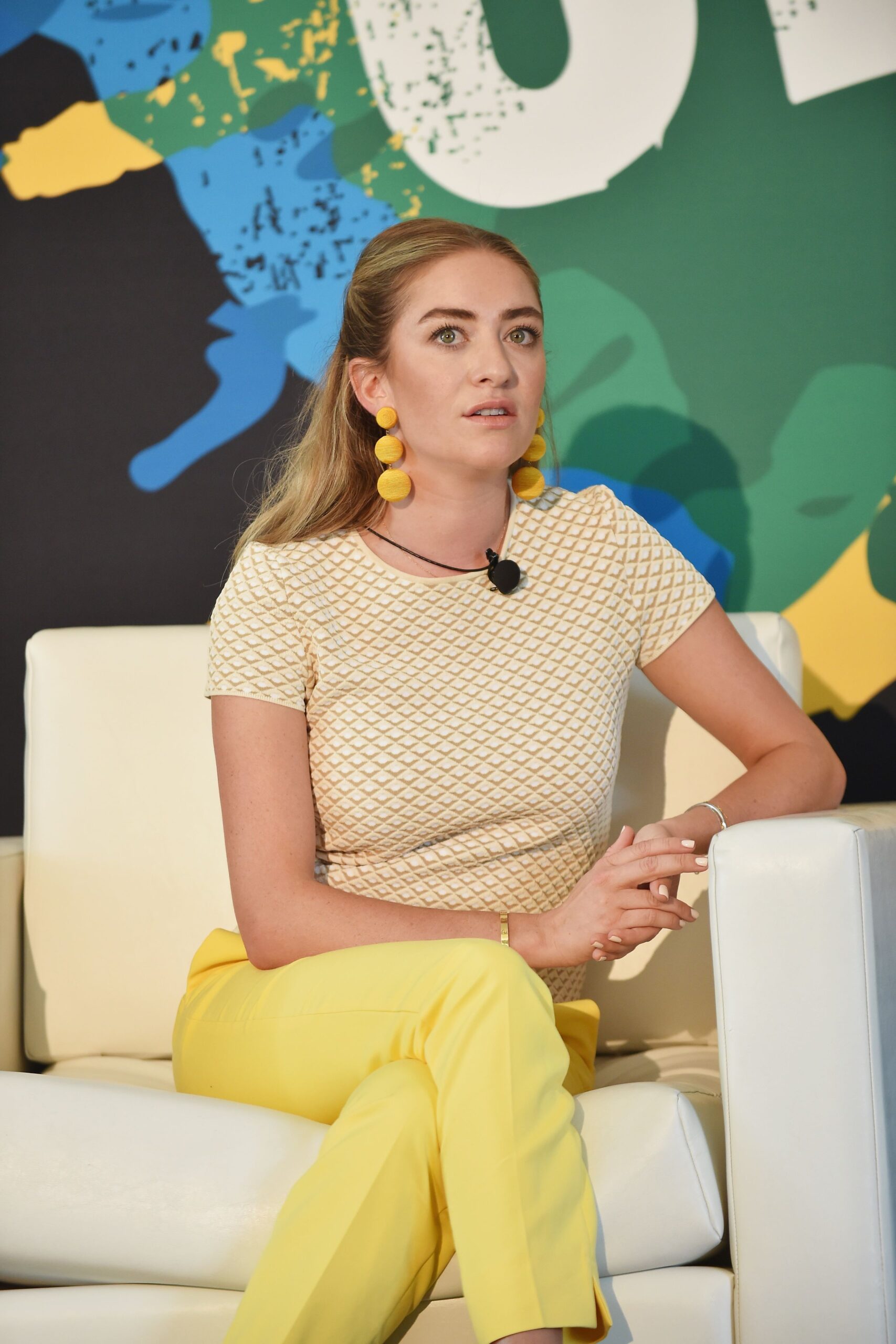
Whitney Wolfe Herd has made significant waves in the tech industry as the founder and CEO of Bumble, a dating application that empowers women to take the initiative in their dating lives. Wolfe’s journey is not only a narrative of entrepreneurial success but also one of fostering a shift in social dynamics and addressing issues of gender inequality. Her story resonates at a time when discussions around women’s empowerment and safety in online environments are of paramount importance.
The Rise of Bumble
Founded in 2014, Bumble has differentiated itself from traditional dating apps by requiring women to make the first contact. Wolfe’s vision was clear: create a platform that not only connects people but also prioritises respect and kindness. This approach has cultivated a user base that celebrates meaningful connections over superficial encounters. As of late 2023, Bumble boasts over 42 million users worldwide, showcasing its rapid growth and acceptance.
In addition to dating, Bumble has expanded into new verticals, including Bumble BFF for finding friends and Bumble Bizz for professional networking. This diversification reflects Wolfe’s understanding of the broader social landscape and the ability to leverage technology to create more enriching experiences.
Impact and Recognition
Whitney Wolfe’s influence has extended beyond Bumble. In 2019, she became the youngest self-made female billionaire after taking the company public. Her success has galvanized countless other entrepreneurs, particularly women, inspiring them to break barriers in industries that have historically been male-dominated. Wolfe is an advocate for women’s rights, frequently using her platform to promote discussions about gender equality and the need for safe spaces online.
Despite facing challenges and criticism, particularly regarding privacy and safety on dating apps, Wolfe has remained committed to innovating processes and features that prioritise user safety, including robust reporting mechanisms and educational campaigns on healthy relationships.
Conclusion
As Whitney Wolfe continues to expand her influence within the tech industry, her work serves as a testament to the changing landscape of social networking. By pushing for changes that enhance connectivity while asserting women’s agency, Wolfe not only reshapes dating but also contributes to broader societal conversations around gender roles and empowerment. Looking ahead, her vision promises to shape not only the future of Bumble but also the tech industry as it grapples with inclusivity and user experience in the digital age.