Introduction
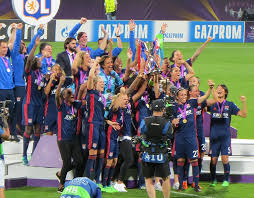
The UEFA Women’s Champions League has become a crucial platform for showcasing women’s football talent across Europe. With the growing visibility of women’s sports and increased investment, the league reflects the strides being made toward gender equality in athletics. As it stands, the Women’s Champions League is not just a competition, but a symbol of progress for female athletes worldwide.
Recent Developments
This season marks a significant milestone for the Women’s Champions League as participation has increased. Over 80 clubs from various UEFA member associations entered the competition, highlighting the league’s expanding influence. Notably, the introduction of a group stage format has elevated the quality of matches and provided more competitive encounters for fans.
The current stage of the tournament has been marked by incredible performances. Chelsea’s remarkable comeback against Wolfsburg in the quarter-finals, where they overturned a first-leg deficit, has been a highlight. Similarly, Barcelona continues to dominate, showcasing their impressive attacking style, while Arsenal’s appearance in the latter stages continues to inspire the growth of women’s football in the UK.
Impact on Women’s Sports
The rise of the Women’s Champions League has coincided with broader changes in women’s sports. The attention garnered by matches has led to increased media coverage and sponsorship deals. According to UEFA, the final of the Women’s Champions League attracted a record audience last season, indicating a growing interest that can rival men’s tournaments. This trend is vital as it serves to inspire the next generation of female footballers while encouraging more girls to participate in sports.
Conclusion
The future of the Women’s Champions League looks brighter than ever. With ongoing investments from club owners, sponsorships from prominent brands, and rising viewership, the league stands as a testament to the demand for women’s football. If this momentum continues, we can expect to see further enhancements in terms of professionalisation, commercial success, and the conduct of premier matches that resonate with fans worldwide. Football might be a traditionally male-dominated arena, but the Women’s Champions League is paving the way for a more inclusive future.