Introduction
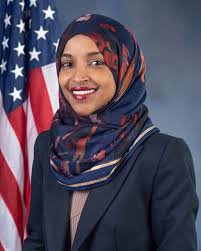
Ilhan Omar, the U.S. Representative for Minnesota’s 5th congressional district, has emerged as a significant figure in American politics since her election in 2018. Her unique background as a refugee and a woman of colour has made her a trailblazer, representing diverse communities and advocating for progressive policies. As issues like immigration reform and social justice gain prominence in the political landscape, Omar’s role and influence continue to be both relevant and crucial.
Her Journey to Congress
Born in Somalia, Ilhan Omar spent her early years in a refugee camp before arriving in the United States at the age of 12. She quickly became active in community affairs and politics, eventually becoming the first Somali-American elected to the state legislature in Minnesota. In 2018, Omar made headlines when she won her congressional seat, becoming one of the first two Muslim women elected to the U.S. Congress. Her victory symbolized a shift towards greater representation of minority groups in government.
Current Initiatives and Advocacy
Since taking office, Omar has been a vocal advocate for various policies, including healthcare reform, climate change action, and racial justice. She joined fellow representatives in pushing for the Green New Deal and has been an active proponent of affordable housing initiatives. Omar has also been at the forefront of discussions around immigration, advocating for the rights of asylum seekers and fighting against stringent immigration policies. Her recent efforts include focusing on the need for comprehensive national policies to address systemic inequalities in America.
Challenges and Controversies
Despite her achievements, Omar has faced significant challenges and controversies. Her outspoken views on Israel and U.S. foreign policy have drawn criticism and accusations of antisemitism. These controversies have led to intense political backlash, particularly from conservative circles. However, Omar has maintained her stance, arguing for the importance of a diverse discourse and standing firm against hate. Her situation has raised important discussions about free speech, the limits of political discourse, and the challenges faced by progressive politicians.
Conclusion
Ilhan Omar’s journey reflects the evolving nature of American politics, where the voices of the historically marginalised are now increasingly pivotal. As she continues to advocate for progressive policies, her impact on legislation and societal debates remains significant. Looking to the future, Omar’s role will likely expand, challenging both the political norms and representing the changing demographics of America. For individuals interested in social justice and political reform, following Omar’s initiatives and public engagements will provide valuable insights into the current political landscape.