Introduction
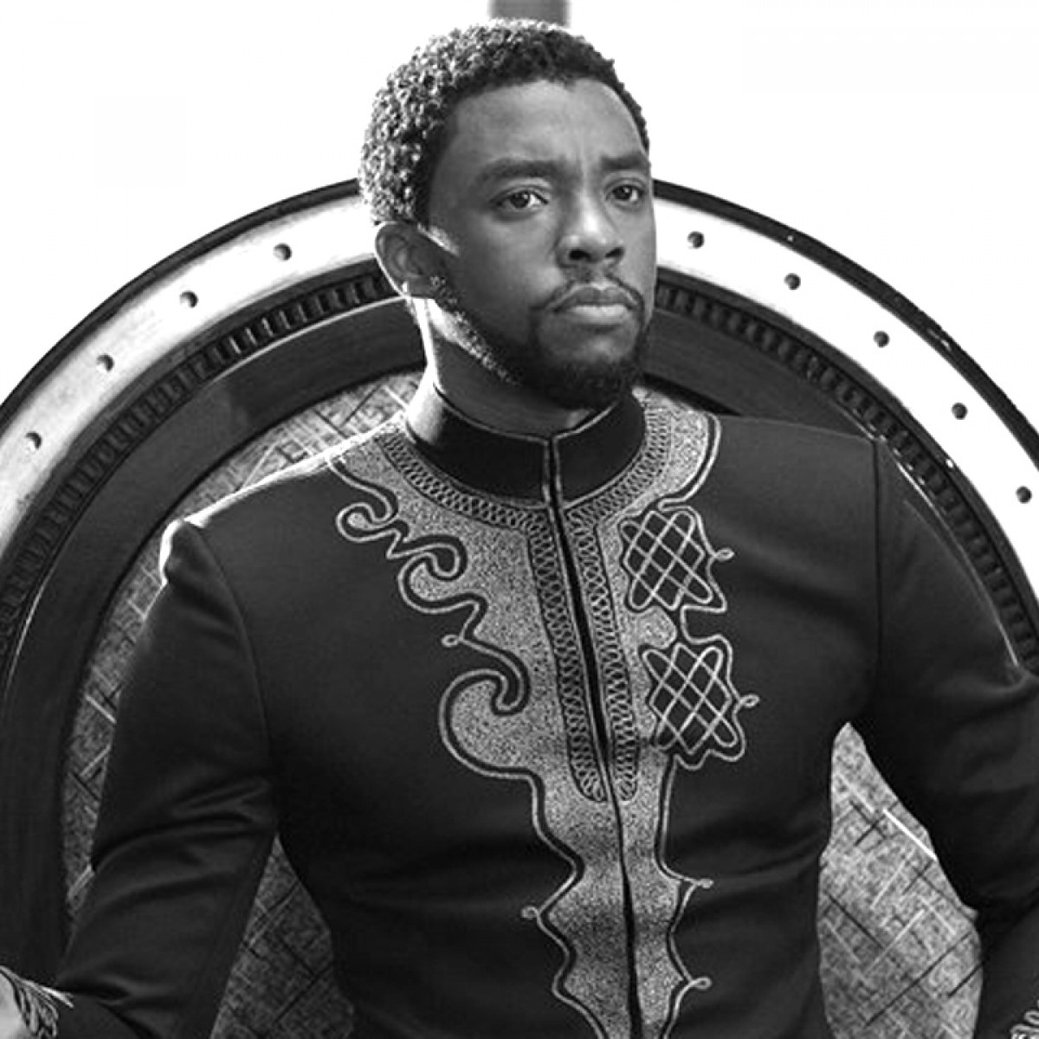
Chadwick Boseman, a name synonymous with talent and trailblazing roles, left an indelible mark on the film industry before his untimely death in 2020. His portrayal of iconic characters, particularly T’Challa in Marvel’s Black Panther, redefined representation in cinema and sparked dialogues around race and culture. As the third anniversary of his passing approaches, it remains paramount to reflect on his contributions and the void left in Hollywood.
Boseman’s Career Highlights
Chadwick Boseman was born in 1976 in Anderson, South Carolina. He made his television debut in the series ‘Third Watch’ before achieving significant acclaim for his role in the historical drama ’42’, where he portrayed baseball legend Jackie Robinson. His career skyrocketed as he took on the role of T’Challa in Marvel’s ‘Black Panther’ in 2018, which became a cultural phenomenon and grossed over $1.3 billion worldwide.
Impact on Culture and Representation
Boseman’s role in ‘Black Panther’ was groundbreaking. It showcased a black superhero in a major blockbuster, providing representation that resonated globally. His performance inspired a generation, fostering pride in African and African-American cultures. Moreover, the film’s success at the box office illustrated the public’s desire for diverse narratives within mainstream media, intensifying the dialogue on diversity in Hollywood.
Philanthropy and Legacy
Beyond acting, Boseman was known for his philanthropic efforts. He supported various charities, including those focused on cancer research and education for young black children. His commitment to social issues extended far beyond his film roles, exemplifying his profound character. Following his death from colorectal cancer, it prompted a renewed focus on cancer awareness and health equity, particularly within black communities, where advocacy and access to healthcare are critical.
Conclusion
Chadwick Boseman’s impact continues to be felt in the realms of film, culture, and social activism. His legacy serves as a reminder of the importance of representation and diversity in storytelling. As we reflect on his life, it is essential to carry forward his vision of a world where all stories can be told. The conversations he ignited can drive necessary change in the film industry, urging filmmakers to create more inclusive narratives. As fans, enthusiasts, and advocates, we must honour his legacy by supporting diverse stories that resonate with varied experiences. His work remains a powerful testament to the strength of art in instigating change and uniting communities.