Introduction
Botswana, a landlocked country in southern Africa, is renowned for its remarkable wildlife, stunning landscapes, and a stable political environment. As one of Africa’s most stable democracies, Botswana has made significant strides in economic growth and social development, making it a focal point for investors and tourists alike. Understanding Botswana’s current situation and its future prospects is crucial for anyone interested in African development and wildlife conservation.
Economic Growth and Development
Botswana’s economy has shown resilience, especially in the wake of the COVID-19 pandemic. The country, which is famous for its diamond mining industry, has diversified its economy by focusing on sectors like tourism, agriculture, and service industries. According to the World Bank, Botswana’s GDP growth rate is projected to rebound to approximately 5% in 2023 as global demand for diamonds picks up and tourism resumes.
The government has committed to the Vision 2036 strategy, aimed at transforming Botswana into an upper-middle-income economy. This ambitious plan includes infrastructure development, investment in renewable energy, and fostering a conducive environment for business innovation.
Wildlife Conservation and Tourism
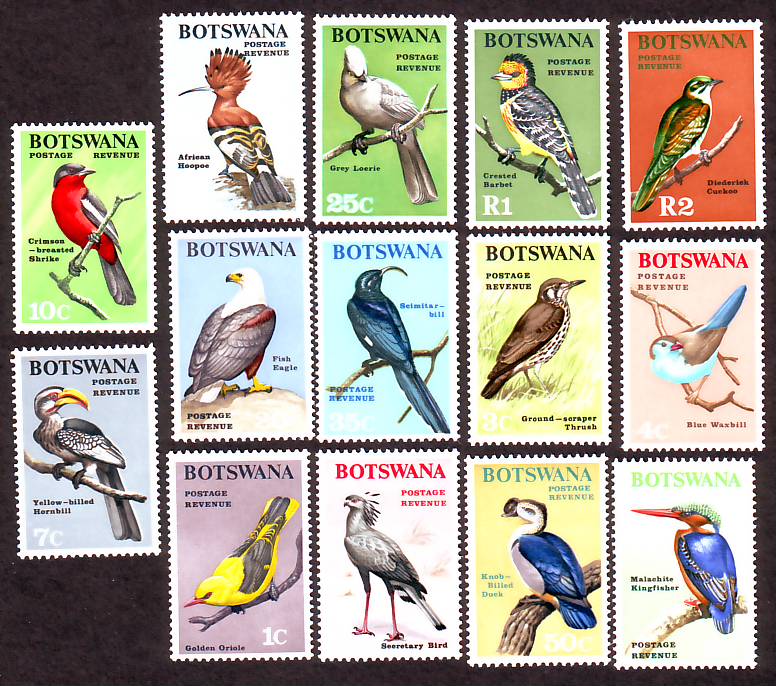
Botswana is home to some of the most stunning national parks and wildlife reserves in Africa, such as the Okavango Delta and Chobe National Park. These areas are crucial for biodiversity and support a wide range of species, including elephants, lions, and various bird species. The government has taken proactive steps towards conservation, implementing sustainable tourism initiatives that balance economic growth with wildlife protection.
In recent years, there has been a growing emphasis on eco-tourism, attracting visitors interested in responsible travel. The Business of Wildlife conservation is also showing promising returns, allowing local communities to benefit economically from wildlife preservation.
Cultural Heritage and Community Involvement
Botswana’s rich cultural heritage is another highlight, showcasing indigenous traditions that have been preserved over generations. The government and local communities are actively involved in promoting cultural tourism. Visitors can experience traditional music, dance, and art, offering authentic insights into the lives of the Tswana people.
Conclusion
The significance of Botswana lies not only in its economic potential but also in its commitment to sustainable development and cultural preservation. As the country continues to navigate the challenges of a global economy, the focus on wildlife conservation and inclusive growth will likely play a pivotal role in shaping its future. Investors and travellers looking for opportunities in Africa should keep an eye on Botswana, a nation that represents a harmonious blend of progress, nature, and cultural richness.