Introduction
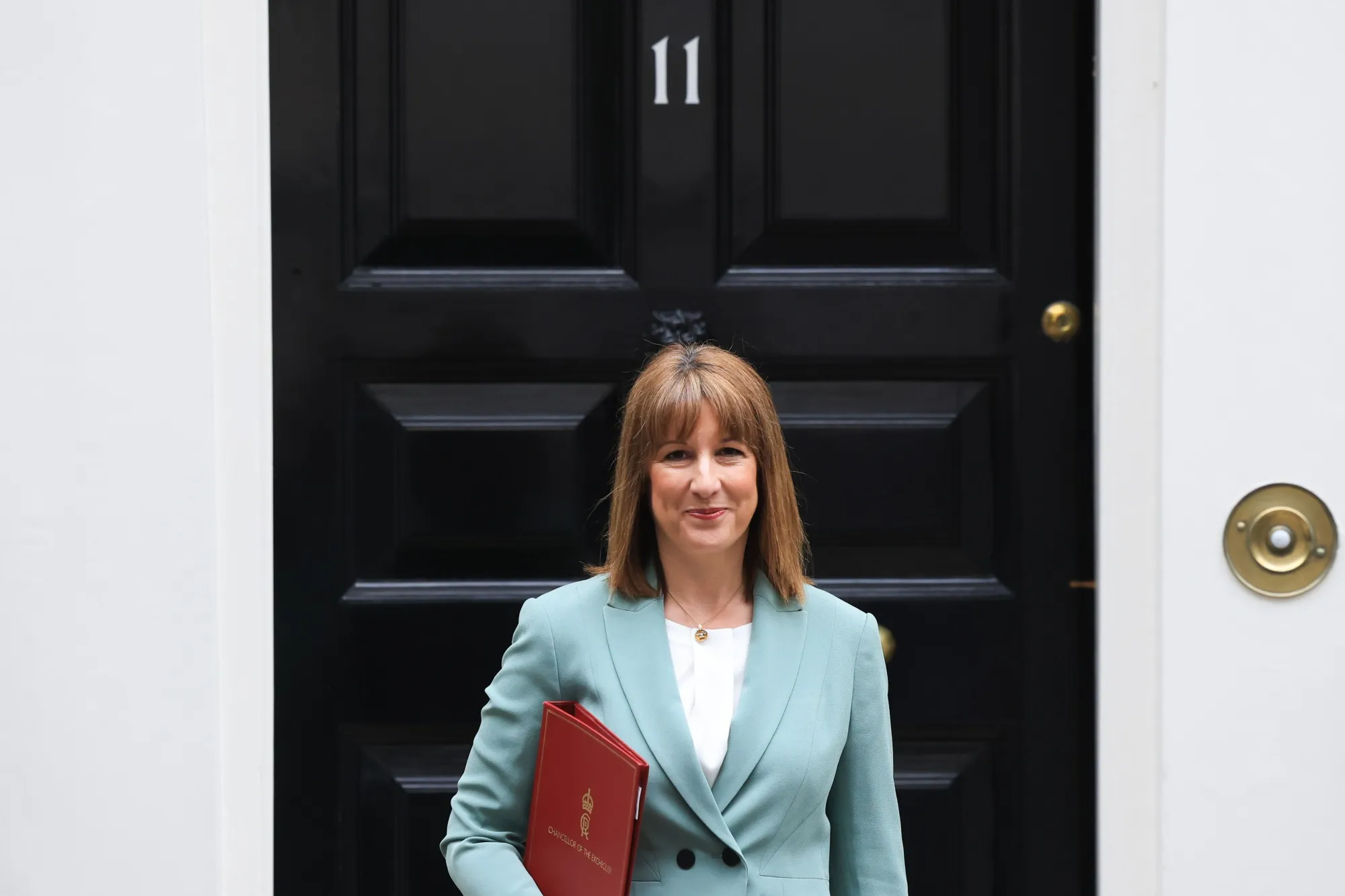
The Chancellor of the Exchequer is a pivotal figure in the UK government, responsible for managing the country’s economic and financial matters. This role has gained significant attention in recent months due to the ongoing economic challenges faced by the UK, including inflation rates and post-pandemic recovery efforts. Understanding the role of the Chancellor is essential for citizens as their decisions directly impact national budgeting, taxation, and public spending.
Current Economic Climate
As of October 2023, the UK’s economy is experiencing a period of uncertainty, with inflation hovering around 6% following last year’s peaks. The government is under pressure to deliver effective fiscal policy to support growth while tackling rising living costs. The Chancellor has been called upon to make difficult choices regarding public spending and tax increases, which are critical in steering the economy back to stability.
Recent Developments
In the latest fiscal statement, the Chancellor announced a series of measures aimed at stimulating growth and alleviating financial pressures on families. This includes an extension of energy price caps and targeted support for the most vulnerable households. Additionally, plans to invest in green energy initiatives reflect the government’s commitment to sustainability while trying to bolster the economy. These announcements illustrate the balance the Chancellor must strike between immediate financial relief and long-term economic stability.
Expectations and Future Directions
Looking ahead, economists predict that the Chancellor will need to address the ongoing challenges presented by a shifting global economy and the aftereffects of the pandemic. Forecasts suggest a potential recession, making it critical for forthcoming policies to focus on job creation and investment in public services. As the economic landscape evolves, the Chancellor’s ability to collaborate with other government departments will be essential in navigating these obstacles.
Conclusion
The role of the Chancellor of the Exchequer is more important than ever as the UK seeks to recover from economic turmoil. The decisions made by the Chancellor will not only influence the immediate financial situation but also set the direction for the country’s economic policy in the future. For citizens, staying informed about these fiscal policies is crucial, as they directly affect various aspects of daily life, from taxation to public services. As the Chancellor continues to respond to the political and economic challenges of the day, their leadership will be key in shaping the nation’s financial recovery and stability.