Introduction
The Mediterranean Sea has long been a route for migrants seeking safety and a better life in Europe. In recent months, the situation regarding migrant boats arriving in Greece has intensified, drawing global attention to the perilous conditions faced by those on board. With thousands risking their lives in search of asylum, the issue remains at the forefront of humanitarian discussions and policy formulations.
Recent Developments
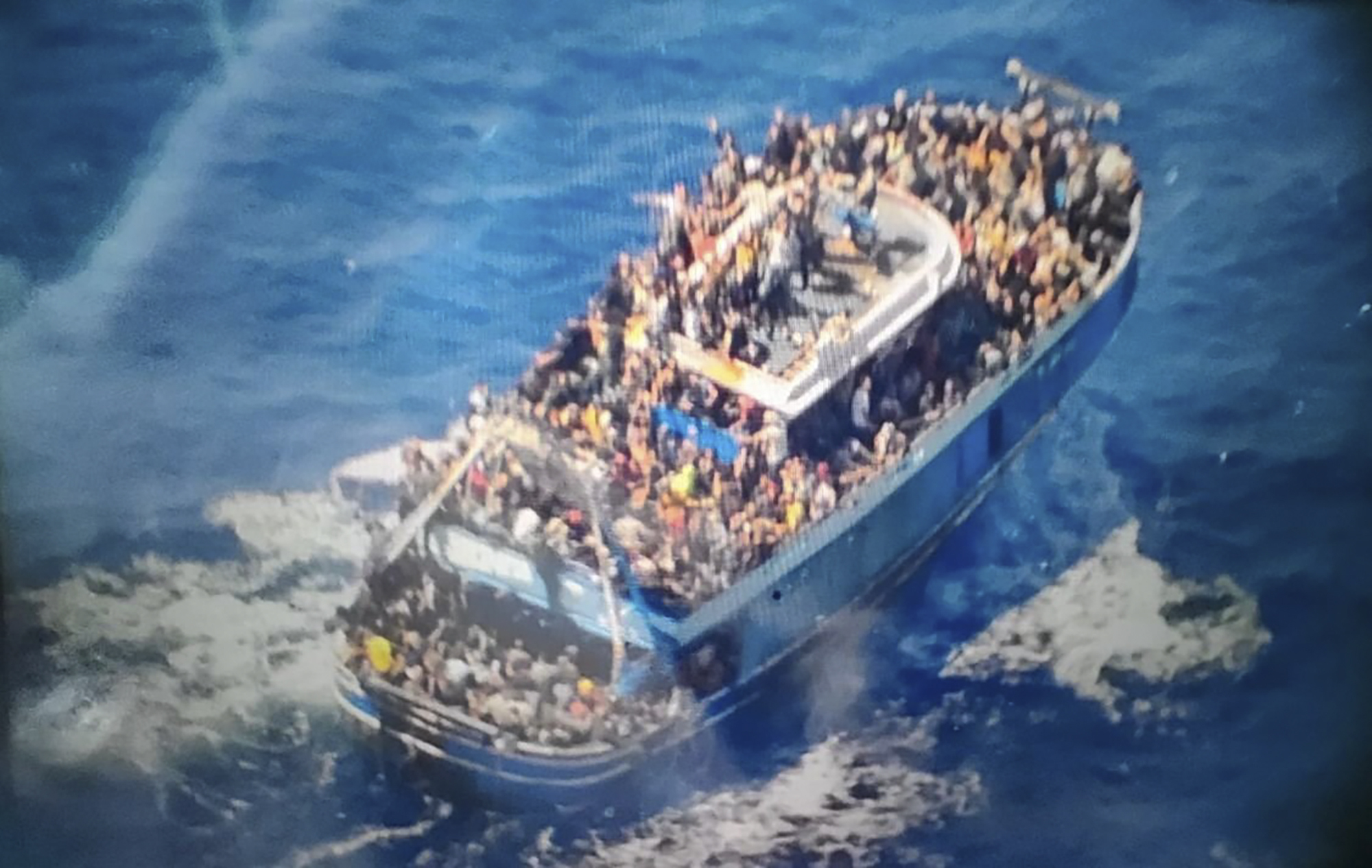
In 2023, Greece has seen a significant increase in the number of migrant boats, primarily from war-torn regions and areas plagued by economic turmoil. The Greek Coast Guard reported intercepting over 19,000 migrants attempting to enter the country by sea in the first half of the year – a spike reflective of increasing desperation among these individuals. Many of these boats, often overcrowded and ill-equipped, have capsized or faced serious danger during their journeys, leading to tragic loss of life.
The United Nations High Commissioner for Refugees (UNHCR) stated that the ongoing conflict in Syria, alongside the political instability in Afghanistan and the economic crisis in parts of Africa, has contributed to this rising tide of migration. In just the last month, over 600 migrants were rescued from the Aegean Sea after facing adverse weather conditions.
The Humanitarian Response
In response to this crisis, various organisations have intensified their efforts to provide support and assistance to migrants. Humanitarian NGOs, such as Médecins Sans Frontières and the International Rescue Committee, have been instrumental in delivering medical care, food, and shelter. Additionally, local communities in Greece have rallied to offer support, demonstrating solidarity with vulnerable populations.
However, the Greek government is also facing criticism over its handling of migrant boats and border policies. Accusations have arisen regarding pushbacks, where migrant boats are allegedly intercepted and sent back to Turkey without adequate processing of their asylum claims. The European Union has expressed the need for more coordinated responses to prevent human rights violations and ensure the safety of those seeking refuge.
Conclusion
The ongoing situation of migrant boats in Greece highlights a critical intersection of human rights, international law, and humanitarian response. With winter approaching, the challenges are likely to become more severe, placing the lives of vulnerable migrants at even greater risk. It is crucial for both EU member states and humanitarian organisations to collaborate effectively to address not only the immediate needs of those on board the boats but also to implement comprehensive policies aimed at preventing further crises. Ensuring safe and legal pathways for migration could be a significant step in alleviating this pressing humanitarian issue.