Introduction
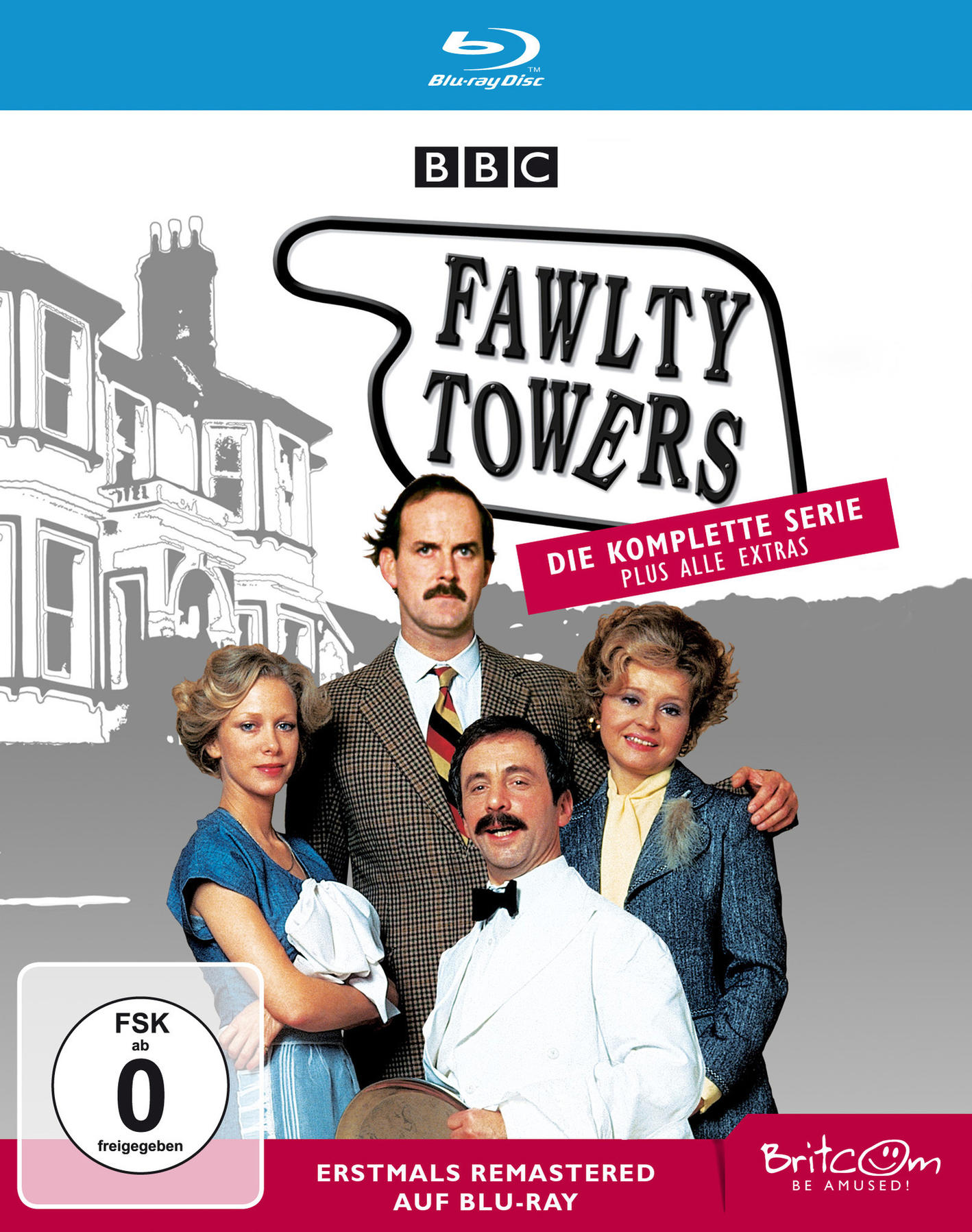
Fawlty Towers, a British sitcom written by John Cleese and Connie Booth, first aired in 1975 and has since become a significant part of British television history. Only two series were produced, but its comedic style, memorable characters, and sharp dialogue have cemented the show as a cultural touchstone. The relevance of Fawlty Towers in today’s entertainment landscape cannot be overstated; it continues to inspire comedians and writers and offers a valuable lens through which to examine societal norms and expectations of the time.
Overview and Cultural Impact
Set in a dysfunctional hotel in the seaside town of Torquay, Fawlty Towers revolves around the misadventures of Basil Fawlty, portrayed by Cleese, in his attempts to manage the inn, all while navigating his verbose wife Sybil and the eccentric hotel guests. Critics have lauded the show for its brilliant writing and characterisation, with many considering Basil one of the greatest comic characters in TV history.
Despite its initial limited run, Fawlty Towers gained a cult following that expanded globally during the years. The show has been submitted for critical acclaim, frequently topping lists of the greatest British sitcoms. In a 2004 poll by the British Film Institute, it was voted the greatest sitcom of all time, and it even received accolades for its integration of slapstick and farce with character-driven narratives.
Recent Developments and Future
In 2023, the possibility of a Fawlty Towers reboot was reignited as John Cleese announced plans to revive the series. The announcement sparked conversations about the challenges of remaking a classic and the potential for contemporary themes. While some fans are enthusiastic about the prospect, others express concern that a modern remake may not capture the unique charm and humour of the original.
Cleese aims to bring a fresh perspective while retaining the essential characteristics that made the original series beloved. Regardless of the outcome, the discussions surrounding the revival underline the enduring relevance of Fawlty Towers and its multifaceted appeal across generations.
Conclusion
Fawlty Towers continues to resonate significantly in modern culture, showcasing how timeless humour can span decades. Its influence can be seen not only in television, but also in various forms of entertainment including stage adaptations. Looking ahead, whether through potential reboots or continued rediscovery of its original episodes, Fawlty Towers will likely remain a cherished part of British comedic history. Audiences are advised to revisit the show, as its sharp wit and layered comedy offer timeless insights and entertainment.