










Introduction
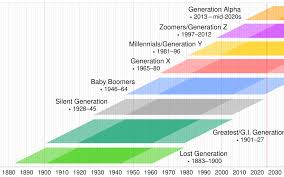
Generation Z, often referred to as Gen Z, includes individuals born from the mid-to-late 1990s through the early 2010s. This demographic cohort is becoming increasingly significant as they enter the workforce and influence consumer trends. Understanding Gen Z years is crucial for businesses, educators, and policymakers who seek to connect with this dynamic group.
Defining Characteristics of Gen Z
Gen Z is defined by their comfort with technology, as they are digital natives who grew up with the internet and smartphones. According to Pew Research, they are the first generation to have widespread access to sophisticated digital tools from a young age. This access has shaped their social interactions, learning styles, and entertainment preferences.
Social Behaviour and Trends
As of 2023, Gen Z is known for their strong values around social justice and environmental responsibility. Many members of this generation actively engage in discussions surrounding climate change, equality, and mental health. A 2022 survey conducted by McKinsey & Company revealed that 75% of Gen Z respondents indicated they are willing to take action for causes they believe in.
Educational Aspirations
In terms of education, Gen Z shows a preference for practical learning experiences. They often value skills and certification over traditional degrees. The rise of online learning platforms has catered to this preference, providing flexible educational opportunities. As the job market continues to evolve, Gen Z is keen to acquire skills that align with emerging industries.
The Impact on the Workforce
As Gen Z enters the workforce, they are reshaping workplace dynamics. Research indicates that they prioritise work-life balance, opportunities for creative expression, and workplace inclusivity. Companies, therefore, are adapting by offering remote work options and fostering diverse environments that resonate with the values of this generation. A significant percentage of recruiters are now tailoring their initiatives to attract Gen Z talent.
Conclusion
The significance of Gen Z years extends beyond just defining a generation; it marks a cultural shift toward inclusivity, activism, and technology integration. As we move further into the 2020s, businesses and institutions must understand and adapt to the unique characteristics and values of Gen Z to cultivate meaningful connections and drive innovation. Looking forward, the influence of this generation is expected to grow, inevitably leaving a lasting impact on society and shaping the future.