Introduction
Tesla, the American electric vehicle (EV) manufacturer founded by Elon Musk, has rapidly established itself as a pivotal player in the United Kingdom’s automotive landscape. With the UK’s commitment to reducing carbon emissions and promoting sustainable transportation, Tesla’s innovative approach to electric vehicles is both timely and significant. Understanding Tesla’s expansion and strategies in the UK market is essential for consumers, policymakers, and industry professionals alike.
Tesla’s Growth in the UK
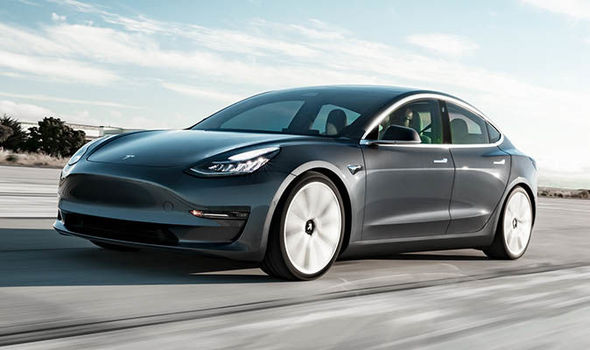
Since launching its first model in the UK, the Tesla Model S, back in 2014, the company has witnessed exponential growth. Currently, Tesla offers a range of models, including the Model 3, Model X, and Model Y, catering to diverse consumer preferences. As of October 2023, Tesla has become the leading electric vehicle brand in the UK, boasting a market share of over 27%, according to the Society of Motor Manufacturers and Traders (SMMT).
In addition to its impressive sales figures, Tesla has also made significant investments in infrastructure, establishing a network of Superchargers across the country. This network not only enhances the convenience of owning a Tesla but also supports the broader adoption of electric vehicles.
Impact on the Environment and Economy
The rise of Tesla in the UK aligns with the government’s goal of achieving net-zero emissions by 2050. With its focus on producing zero-emission vehicles, Tesla contributes to a reduction in air pollution and overall carbon emissions. Furthermore, the expansion of the EV market opens up new job opportunities within the green energy sector, from manufacturing to charging station installations.
Challenges and Future Prospects
Despite its successes, Tesla faces challenges as competition in the electric vehicle market intensifies. Traditional car manufacturers such as Ford, Volkswagen, and BMW are ramping up EV production, which could impact Tesla’s market share. Additionally, concerns regarding battery supply chains and raw material sourcing could pose hurdles for future growth.
Looking ahead, analysts remain optimistic about Tesla’s future in the UK, especially with the anticipated launch of the more affordable Tesla model aimed at a broader audience. As policy support for EVs continues and consumer interest grows, Tesla is well-positioned to maintain its leadership in the sector.
Conclusion
The trajectory of Tesla in the UK electric vehicle market exemplifies the intersection of innovation, environmental responsibility, and economic opportunity. As the demand for sustainable transport solutions rises, Tesla will continue to play a crucial role in shaping the future of mobility in the UK. Stakeholders must keep a keen eye on market trends and company strategies as Tesla navigates both opportunities and challenges in this rapidly evolving landscape.