Introduction
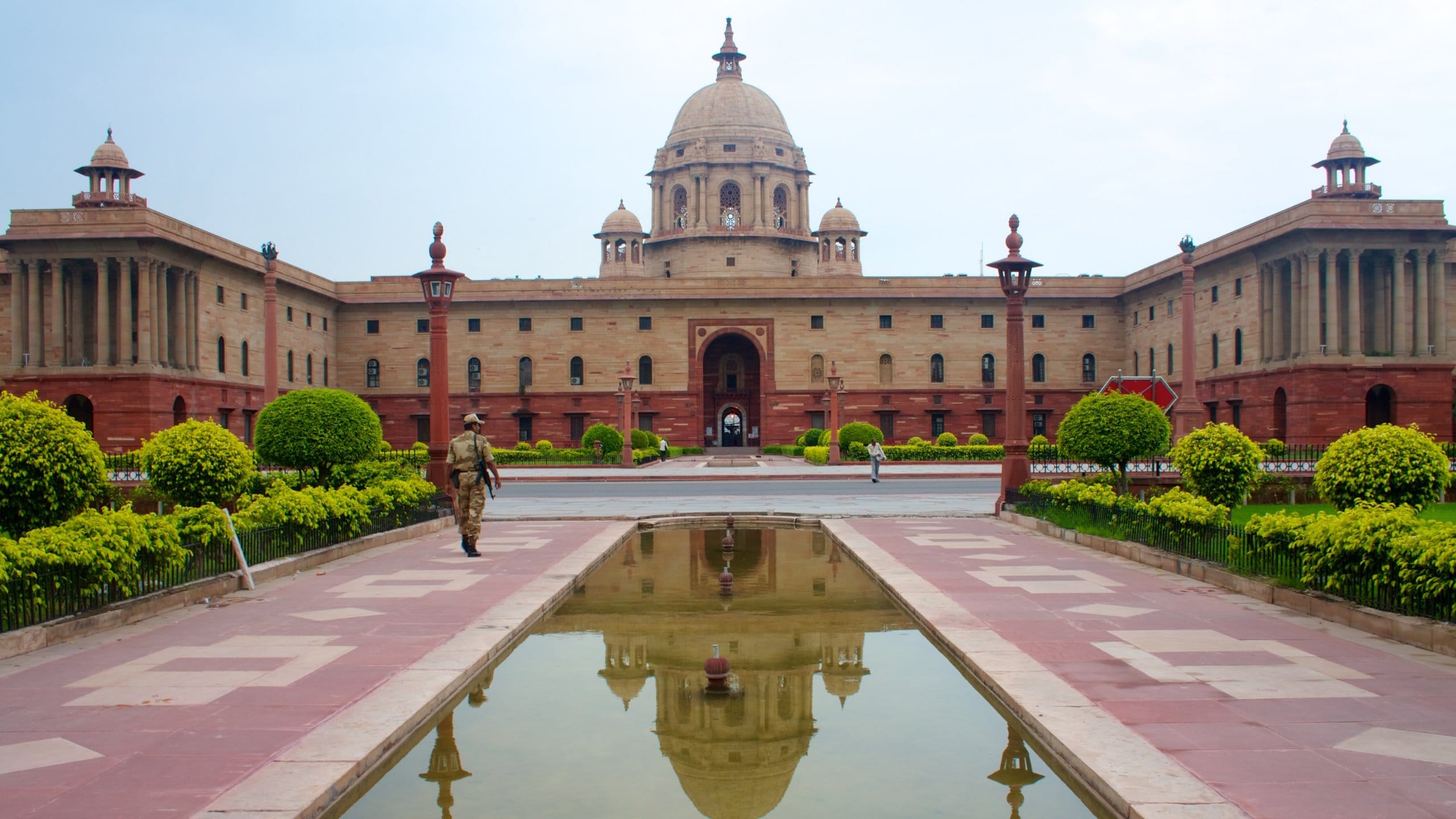
Rashtrapati Bhavan, the official residence of the President of India, stands as a symbol of India’s democratic governance and architectural grandeur. Situated in New Delhi, it is not only a functional estate for the head of state but also a site of cultural significance and history. As the world observes the month of October for various reasons, including the commemoration of significant events in Indian history, Rashtrapati Bhavan emerges as a focal point reflecting the nation’s ethos and values.
Historical Background
Constructed during the British Raj, Rashtrapati Bhavan was designed by British architect Edwin Lutyens and completed in 1929. It served as the Viceroy’s residence before becoming the home of the Indian President after the country gained independence in 1947. The structure combines elements of Mughal and European architecture and is set within a sprawling estate that includes beautiful gardens, known as the Mughal Gardens, which attract visitors from around the world.
Architectural Significance
The impressive dome and grand pillars of Rashtrapati Bhavan exemplify the fusion of different architectural styles. Spanning an area of approximately 330 acres, the estate features a mix of sculpted lawns, intricate water fountains, and ornamental flora. The building itself is often praised for its magnificent interior, which houses numerous works of art that capture India’s rich heritage.
Current Relevance
Recent events have highlighted the ongoing importance of Rashtrapati Bhavan in contemporary India. In September 2023, President Droupadi Murmu addressed the nation on the occasion of ‘Hindi Divas’, emphasising the role of language in unifying diverse cultures and audiences in India. This underscored the residence’s function as not just a ceremonial seat but also a platform for dialogue on important national issues.
Public Engagement and Educational Initiatives
With a vision to engage the public, Rashtrapati Bhavan opens its doors for limited tours, allowing visitors a glimpse into its magnificent architecture and the presidential lifestyle. Educational initiatives aimed at encouraging youths to learn about the nation’s democratic processes have also been launched, further enhancing the significance of this historic site.
Conclusion
Rashtrapati Bhavan is more than a mere residence; it is a powerful symbol of India’s sovereignty and rich cultural tapestry. Its role continues to evolve, becoming a beacon of national identity and pride. As India navigates the complexities of the modern world, Rashtrapati Bhavan stands as a reminder of the nation’s history while looking towards a future reflective of its enduring values and shared aspirations. For residents and visitors alike, understanding the significance of this landmark is essential in appreciating the narrative of a diverse yet unified nation.