Introduction
Earthquakes in Assam, a region known for its rich biodiversity and cultural heritage, have raised concerns about safety and infrastructure resilience. The northeastern Indian state has a history of seismic activity due to its geographical positioning near tectonic plate boundaries. In recent months, Assam has experienced a notable increase in earthquake occurrences, consequently sparking discussions around disaster preparedness and community safety.
Recent Earthquake Activity
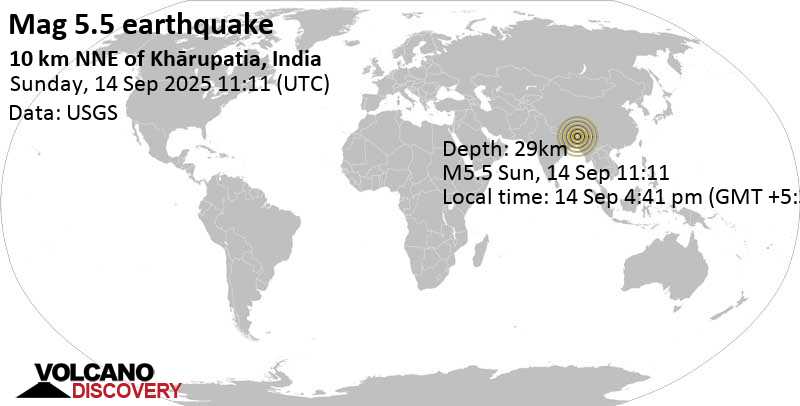
In September 2023, Assam was hit by a series of tremors, with the most significant measuring 6.1 on the Richter scale, recorded near Guwahati. This earthquake struck on the 14th of September and was felt across multiple cities, including Dispur and Tezpur, prompting widespread concern. The Assam State Disaster Management Authority reported several aftershocks, which further heightened anxiety among residents.
According to the National Centre for Seismology, Assam is part of a seismically active zone, and the frequency of earthquakes has increased, with the state experiencing more than 200 minor tremors in 2023 alone. Although many of these were of low magnitude, the potential for devastating earthquakes remains a pressing issue.
Impact on Communities
The impact of these earthquakes extends beyond immediate physical damage. In the aftermath of the September tremors, several structures, including older buildings and bridges, sustained damage, leading to temporary road closures and disruption in services. Local health services reported increased cases of anxiety and trauma-related disorders among the population.
Moreover, the agricultural sector, crucial to Assam’s economy, has faced challenges as rural areas are often inadequately prepared for natural disasters. Damage to irrigation facilities and loss of crops have raised concerns about food security in the region.
Preparedness and Safety Measures
In light of these recent seismic events, Assam’s government has begun to focus on enhancing earthquake preparedness. Officials have initiated educational campaigns to inform residents about earthquake safety and emergency response protocols. Drills and preparedness training are being organized in schools and communities to encourage readiness.
Additionally, assessments of critical infrastructure are underway to ensure that buildings are up to seismic codes, particularly in urban centres where the risk of major earthquakes is high. International collaboration with earthquake response organizations is also being explored to improve the state’s disaster management strategies.
Conclusion
The recent earthquakes in Assam underline the urgency for enhanced preparedness and community resilience. Although immediate economic and infrastructural impacts are concerning, the proactive measures being implemented by local authorities highlight a commitment to safeguarding the region against future seismic risks. As Assam continues to face challenges associated with earthquakes, it is vital for both the government and residents to remain vigilant and engaged in disaster preparedness efforts.