Introduction
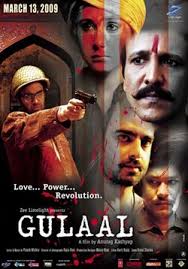
The 2009 film Gulaal, directed by Anurag Kashyap, remains a pivotal piece in Indian cinema, celebrated not only for its gripping storytelling but also for its exploration of political themes and ambition. Set against the backdrop of a fictional university, the film dives deep into complexities surrounding power, rebellion, and societal structural issues. With its unique narrative style and evocative visuals, Gulaal has secured a notable place in the hearts of movie lovers and critics alike.
Plot Summary
Gulaal follows the journey of a young law student, played by Raj Singh Chaudhary, who becomes embroiled in a political struggle within his university. Upon arrival, he discovers the rampant corruption and manipulative politics that permeate the institution. As he interacts with various characters, including a passionate student leader portrayed by Kalki Koechlin, the protagonist is drawn into a world filled with conspiracies and ethical dilemmas. The film effectively critiques the contemporary political landscape, resonating well with the youth of India.
Themes and Analysis
One of the most striking aspects of Gulaal is its profound exploration of ambition and the lengths individuals will go to achieve power. The film reflects on the disillusionment with political systems and the inherent quest for identity, which is encapsulated in numerous poignant dialogues. Furthermore, the usage of Rajasthani culture and aesthetics enriches the narrative, offering viewers a glimpse into the vibrant yet complex social fabric of India. The motifs of rebellion, loyalty, and sacrifice run throughout the film, serving as a commentary on the challenges faced by the youth in asserting their beliefs in a repressive environment.
Critical Reception
Upon its release, Gulaal received a positive response from critics, lauding its raw storytelling and the performances of the cast. The film’s music, composed by Vinay Shukla, also played a crucial role in enhancing its emotional depth. Over the years, it has gained a cult following, appreciated for its relatable themes and the bold portrayal of characters struggling against societal constraints.
Conclusion
Gulaal remains a significant film in the landscape of Indian cinema, not just as a work of art but as a critical lens through which the political psyche of the youth can be examined. Its exploration of ambition, rebellion, and identity offers powerful reflections that continue to resonate today. As the younger generations engage with current political challenges, Gulaal stands out as a relevant and thought-provoking cinematic experience that encourages discourse. Thus, the movie is more than just entertainment; it is a call to introspection and activism within society.