










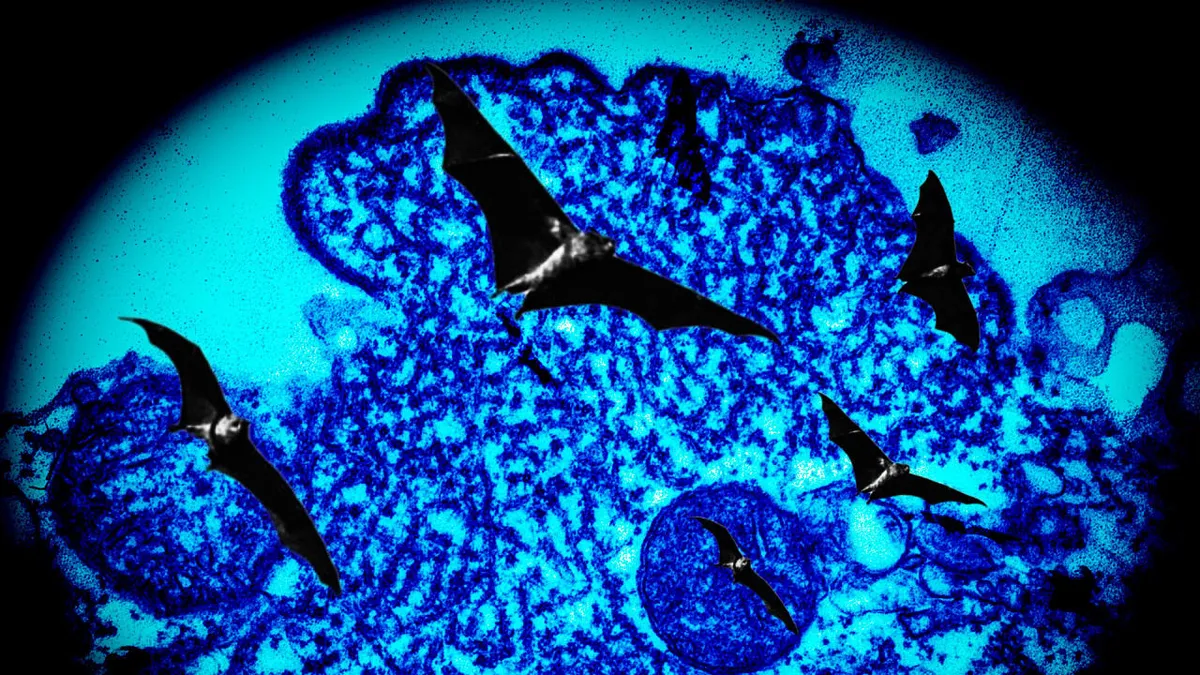
The central question surrounding the recent outbreaks of the Nipah virus in Kerala, India, is: How prepared is the region to handle this recurring health threat? The answer reveals a concerning picture of inadequate surveillance and public awareness.
The Nipah virus was first identified in Malaysia in 1999 and is transmitted to humans through infected animals or contaminated food. There are currently no licensed medicines or vaccines for Nipah infection, making it particularly dangerous. Kerala has experienced multiple outbreaks, with the first recorded in May 2018, resulting in 18 confirmed cases and 17 deaths.
As of 2026, Kerala has reported two deaths from the Nipah virus, with the recent outbreak in West Bengal involving two nurses who slipped into a coma. Surveillance and preparedness for Nipah virus outbreaks have been criticized as poor and episodic, with scientists noting that “surveillance is activated too late, research funding is sporadic, and preparedness is episodic.” This raises alarms about the region’s ability to respond effectively.
In the latest developments, 700 individuals have been found on the contact list for Nipah virus risk, with 77 categorized as high-risk. The fruiting season in Kerala, which peaks around April, correlates with increased Nipah virus cases, emphasizing the need for timely awareness campaigns.
Dr. Anish highlighted that “two of those who succumbed to the infection so far were children from Kozhikode and Malappuram districts,” underscoring the vulnerability of younger populations. Awareness campaigns targeting children are planned in response to past infections in that age group.
Preventive measures are essential, with Dr. Anish recommending that people avoid fruits lying on the ground or those bitten by bats, wash and peel fruits before consumption, and stay away from bat roosts. The infection can cause symptoms such as fever, headache, muscle pain, and respiratory problems.
Despite the challenges, Kerala has had some success in managing Nipah outbreaks, with four spillover cases reported in 2025 and six months after September with no recorded cases. However, the danger of Nipah virus remains, as scientists warn, “The danger of Nipah virus is in its persistence, that is, it is periodic, lethal, and preventable.”
As the situation evolves, the focus remains on improving public health infrastructure and ensuring that communities are better prepared for future outbreaks. Details remain unconfirmed regarding the full extent of the current outbreak and the effectiveness of the response measures.