









Reaction from the field
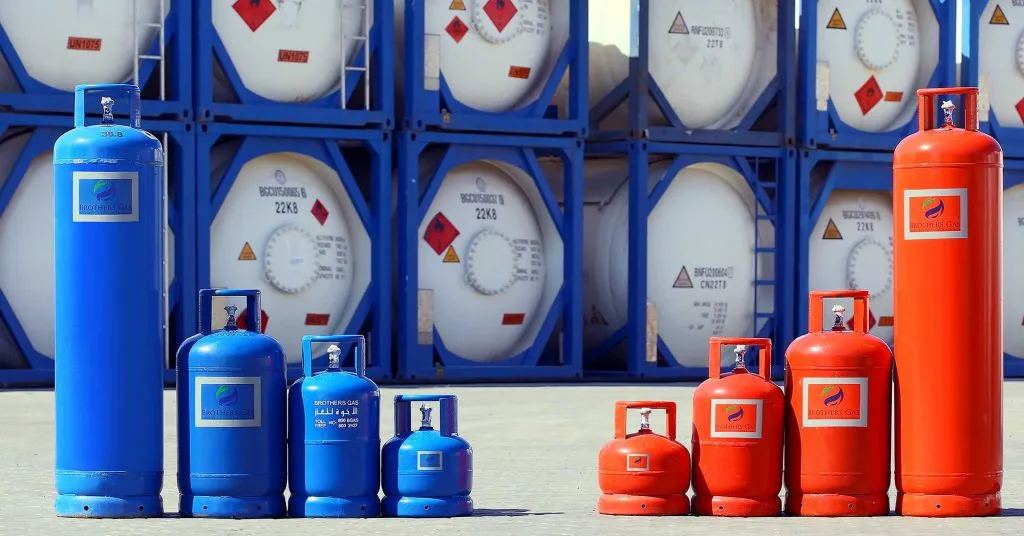
The effective closure of the Strait of Hormuz has significantly impacted India’s LPG gas supply, disrupting approximately 54% of the country’s LPG flows. This situation has arisen amid escalating geopolitical tensions in West Asia, which have led to increased scrutiny of energy imports and domestic production capabilities.
India relies heavily on imports to satisfy about 60% of its LPG needs, with a staggering 90% of these imports transiting through the Strait of Hormuz. The current geopolitical climate has raised concerns about the stability of these supply routes, prompting the government to take immediate action to mitigate the impact on consumers.
In response to the supply disruptions, the Indian government has ramped up domestic LPG production by 40% compared to levels prior to the West Asia conflict. This increase aims to alleviate some of the pressure caused by the reduced imports, ensuring that households continue to receive essential energy supplies.
Despite these efforts, the government has increased the waiting times for LPG cylinder bookings, extending the period from 21 days to 25 days in urban areas and up to 45 days in rural regions. This change reflects the ongoing challenges in meeting demand amid the current supply constraints.
As part of the strategy to manage the LPG supply crisis, the government is encouraging consumers to switch to piped natural gas (PNG) where available. Currently, around 7,500 domestic and commercial connections have been established for PNG, but the number of households with PNG connections remains significantly lower at approximately 1.5 crore, compared to 33.3 crore domestic LPG connections.
Sujata Sharma, a government spokesperson, noted, “The supply of LPG is affected due to the prevailing geopolitical situation, but a lot of cargo has been lined up.” This statement underscores the government’s commitment to ensuring that the supply chain remains as robust as possible despite external pressures.
Furthermore, the government has directed refiners to maximize LPG production by diverting propane, butane, and other streams from petrochemical manufacturing to LPG production. This strategic shift aims to bolster the domestic supply and reduce reliance on imports during this critical period.
As the situation evolves, the government continues to monitor the geopolitical landscape closely. The effective closure of the Strait of Hormuz has also impacted roughly 30% of India’s natural gas supplies, highlighting the interconnected nature of energy resources. Details remain unconfirmed regarding the long-term implications of these disruptions, but the government is actively seeking solutions to stabilize the LPG supply chain.