








Key moments
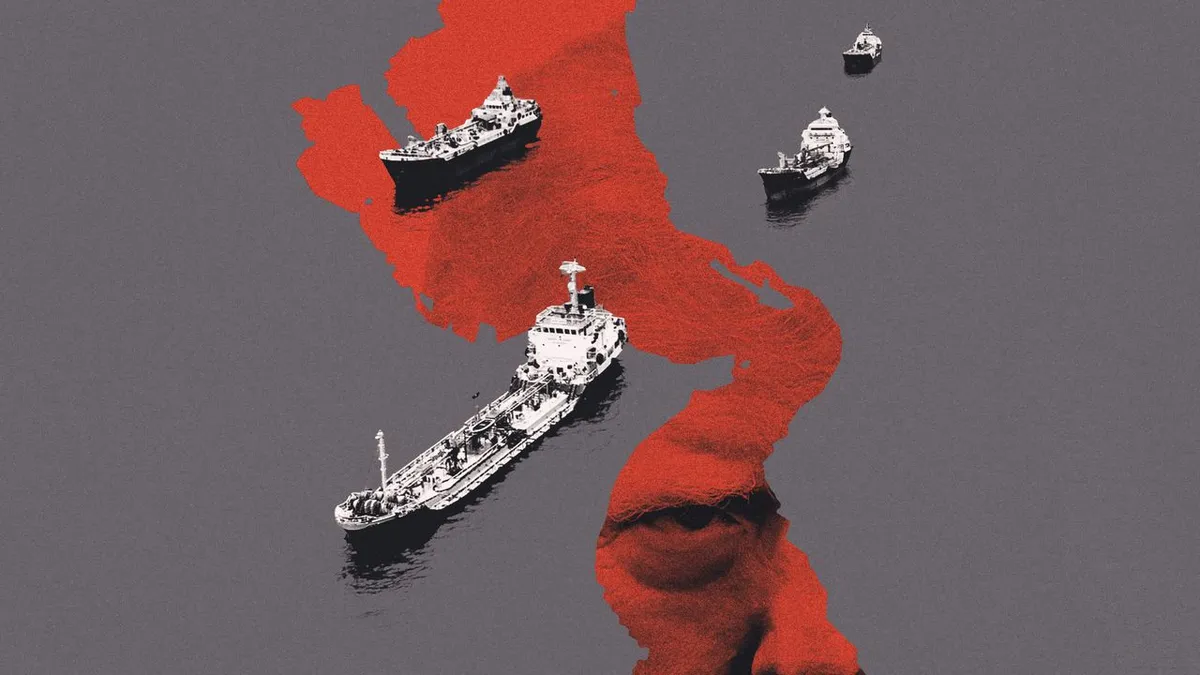
In a dramatic escalation of military tensions, Israeli fighter jets have targeted South Pars, the world’s largest natural-gas field, which is shared by Iran and Qatar. This operation is part of a broader strategy by the U.S. and Israel aimed at toppling the Iranian government and diminishing its regional influence. The strike comes amid heightened fears regarding the security of the Strait of Hormuz, a crucial maritime passage through which one-fifth of the world’s oil and natural gas supply flows.
The U.S. has issued an ultimatum to Iran, demanding the unconditional opening of the Strait of Hormuz within 48 hours or face severe consequences, including the obliteration of its power plants. This warning follows the U.S.-Israeli strike that resulted in the death of Iran’s Supreme Leader, marking a pivotal moment in the ongoing conflict. The Strait of Hormuz, which is approximately 35 miles wide, is vital for global energy supplies, and Iran has threatened to shut it down as a deterrent against further military actions.
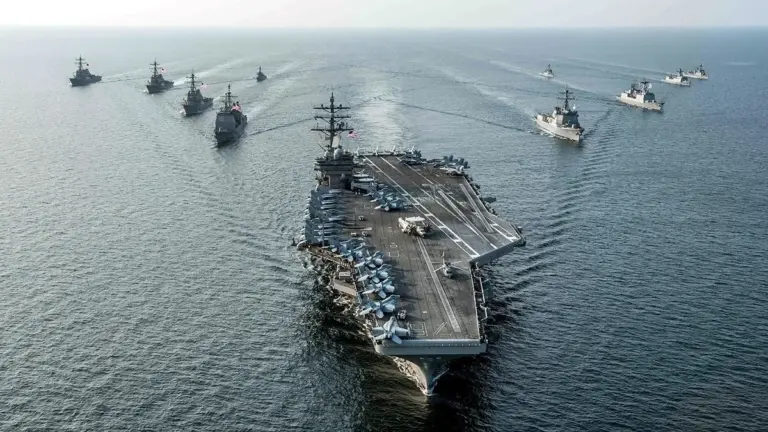
Operation Epic Fury has reportedly succeeded in eliminating key figures within Iran’s leadership and has significantly degraded its capacity to project power and terrorize the West. This military intervention is characterized by President Trump as swift, decisive, and effective, echoing a principle of ‘peace through strength’ that has historical roots in Ronald Reagan’s Cold War strategy.
The U.S. military’s close collaboration with Israel in the region underscores a strategic alliance that has been evolving over decades. As the situation unfolds, it is essential to recognize that this is not merely a military operation but part of a larger narrative concerning the new world order, where the balance of power is being redefined. Chris Hedges has articulated this shift, stating, “The new world order is one where the weak are obliterated by the strong, the rule of law does not exist, genocide is an instrument of control and barbarism is triumphant.”
In this context, Trump faces mounting pressure as he navigates the complexities of international diplomacy. Robert Pape notes, “Trump needed to cut a deal, and he could still try to cut a deal, but the price, the political price, of the deal keeps going up, and so the problem he’s facing is, there’s no golden off-ramp.” This sentiment reflects the precarious nature of the current geopolitical landscape, where actions taken today could have far-reaching implications.
The historical backdrop of U.S.-Iran relations adds another layer of complexity to the current situation. Over the past 47 years since the 1979 revolution, eight American presidents have grappled with the challenges posed by Iran. The military strategies employed today are informed by decades of planning and anticipation of potential conflicts.
As the world watches these developments unfold, the implications for global stability and energy security are profound. The ruling class is often accused of exploiting the subjugated as property and commodities, a sentiment echoed by Erich Fromm, who stated, “The fact that millions of people share the same vices does not make these vices virtues.” The reactions from various global leaders and organizations will be crucial in shaping the next steps in this evolving narrative.
Details remain unconfirmed regarding the full extent of the impact of these military actions, but the stakes are undeniably high. The balance of power in the Middle East is shifting, and the ramifications of these events will likely resonate across the globe for years to come.