








How it unfolded
The anticipation for the Pakistan Super League (PSL) 2026 is building as the tournament is scheduled to kick off on March 26, 2026. However, the lead-up to this event has been marked by significant challenges, particularly concerning player participation and security issues. With the tournament set to take place in Lahore and Karachi, the Pakistan Cricket Board (PCB) is navigating a complex situation that could impact the overall success of the league.
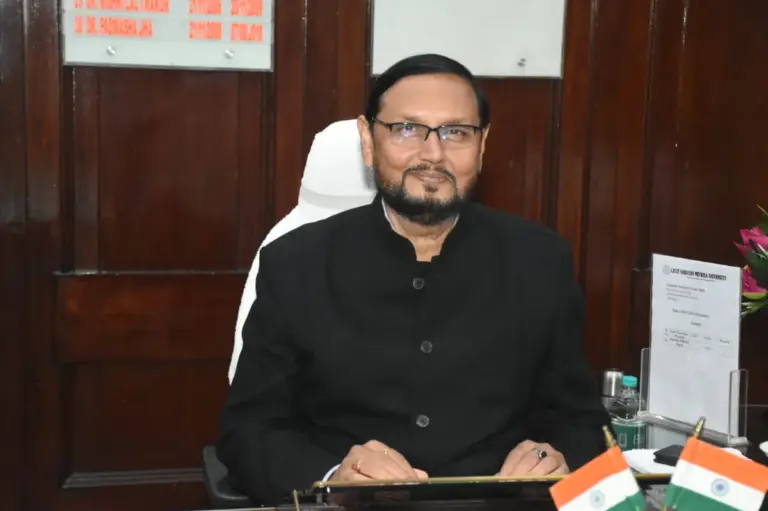
As of now, the Bangladesh Cricket Board (BCB) is in discussions regarding the participation of its players in PSL 2026. Aminul Haque, a BCB official, emphasized the importance of safety, stating, “Definitely our cricketers are not going if there is a security concern (in PSL).” This statement underscores the gravity of the situation as the BCB awaits clearance for its players, with six Bangladesh players having already been granted No Objection Certificates (NOCs) to participate.
Compounding the uncertainty, the PSL will be played behind closed doors due to a fuel crisis that has affected the region. Mohsin Naqvi, a spokesperson for the PCB, noted, “We can’t ask people to restrict their movements and then have 30,000 people in stadiums every day.” The fuel crisis, stemming from geopolitical tensions involving the US and Israel’s conflict with Iran, has led to rising oil prices and restricted movements within Pakistan.
The tournament is set to run from March 26 to May 3, 2026, but the current circumstances raise questions about the feasibility of hosting matches as planned. Several foreign players have already withdrawn from the PSL due to personal reasons, further complicating the league’s roster and competitive integrity.
The opening ceremony for PSL 2026 has been cancelled, a decision that reflects the PCB’s focus on safety and logistical challenges rather than celebratory events. The absence of this traditional kickoff highlights the serious nature of the current environment surrounding the tournament.
As the start date approaches, the final decision on the participation of Bangladesh players remains pending, contingent on BCB’s communication regarding security. Details remain unconfirmed, and the implications of the ongoing fuel crisis could further affect the tournament’s operations and attendance.
In summary, the PSL 2026 is on the horizon, but the combination of security concerns and logistical challenges due to the fuel crisis presents a precarious situation for organizers, players, and fans alike. The PCB’s ability to navigate these issues will be crucial in determining the success of this year’s tournament.