


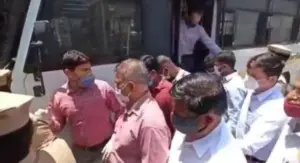







A viral video has falsely linked Pakistani police street checks to the movie ‘Dhurandhar 2’, raising concerns about the spread of misinformation. This incident highlights the potential dangers of viral content, as it can easily mislead viewers and create fictional narratives around real-life occurrences.
The footage in question, which purportedly shows police operations, is actually from an older operation in Karachi. This misrepresentation has sparked outrage and confusion among the public, as many viewers were unaware of the video’s true context.
In a separate incident, a video of a woman working on her laptop during a screening of ‘Dhurandhar: The Revenge’ went viral, drawing attention for its unusual content. This incident occurred in Bengaluru and has been widely shared on social media platforms.
Another viral video claimed to depict Hindus gathering in Uttam Nagar, Delhi, during Eid celebrations. However, investigations revealed that the footage actually showed Ganesh Chaturthi celebrations in Raichur, Karnataka. The claim that the video illustrates Hindus flooding the streets of Uttam Nagar is false.
This misuse of video content on social media to push communal narratives raises significant concerns about the impact of misinformation. As these videos circulate, they can exacerbate tensions and foster division among communities.
Observers note that the internet can easily misinterpret events, creating fictional narratives around real-life occurrences. The rapid spread of such misinformation can have real-world consequences, influencing public perception and behavior.
As these incidents unfold, the need for critical media literacy becomes increasingly evident. Viewers must be cautious and verify the authenticity of viral content before sharing it.
Details remain unconfirmed regarding the broader implications of these viral videos, but the trend underscores the importance of responsible consumption and dissemination of information online.