







Reaction from the field
The ongoing conflict in the Middle East has escalated dramatically, with over 2,000 lives lost since the war began on February 28, 2026. The situation has reached a critical point as Iran has threatened to close the Strait of Hormuz, a vital waterway through which 20 percent of global oil supplies transit, if the United States attacks its power plants.
On March 22, 2026, a rocket attack by Hezbollah in Lebanon resulted in one death, further intensifying the violence in the region. This attack is part of a broader military operation by Israel against Hezbollah, with Israeli Prime Minister Netanyahu calling for increased international involvement in the conflict. Lieutenant General Eyal Zamir stated, “The operation against the Hezbollah terrorist organisation has only begun. This is a prolonged operation.”
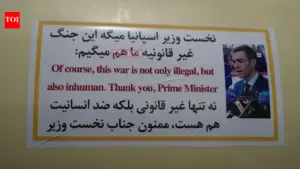
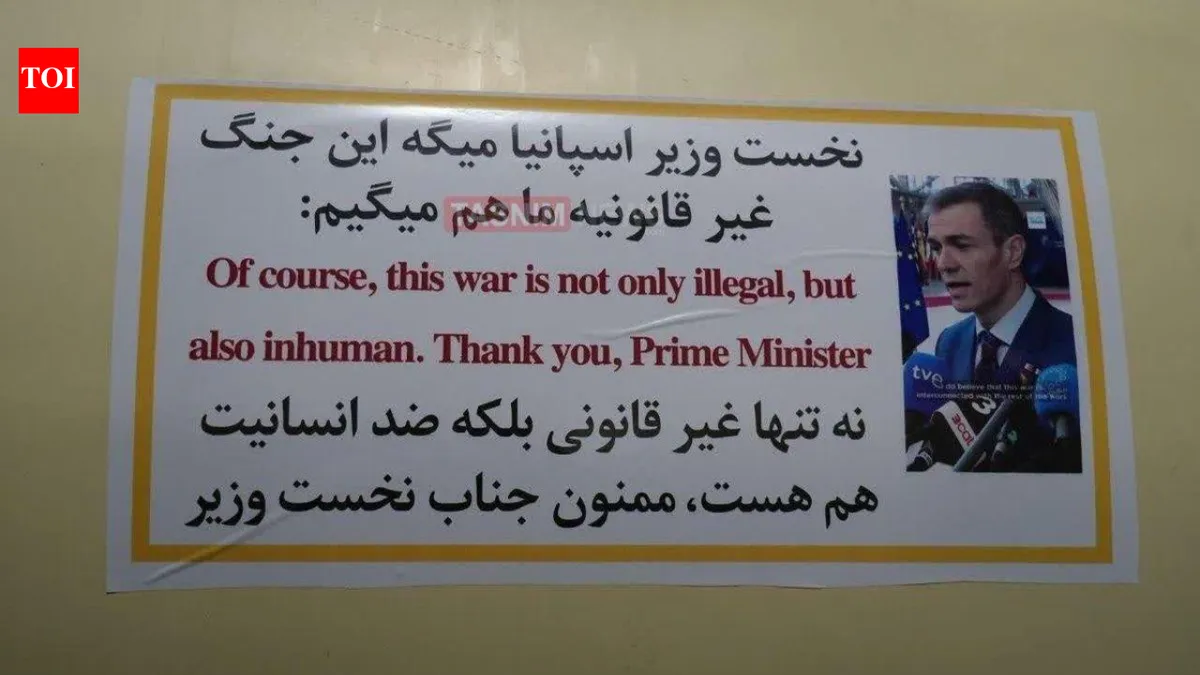
In a provocative move, Iran attached Spanish Prime Minister Pedro Sanchez‘s anti-war remarks to missiles aimed at Israel, highlighting the international dimensions of the conflict. Sanchez had previously condemned the war, stating, “Of course, this war is not only illegal, but also inhuman. Thank you, Prime Minister.” This statement underscores the growing concern among world leaders regarding the humanitarian impact of the ongoing hostilities.
Iran’s Parliament Speaker, Mohammad Bagher Ghalibaf, has issued stark warnings regarding potential US military actions, asserting that any targeting of Iranian infrastructure would lead to the destruction of vital regional energy facilities. He emphasized, “Immediately after power plants and infrastructure in our country are targeted, vital infrastructure as well as energy and oil infrastructure across the entire region will be considered legitimate targets and will be irreversibly destroyed.” This statement reflects Iran’s readiness to retaliate against US energy facilities if provoked.
As the conflict continues into its fourth week, the situation remains fluid. Kataeb Hezbollah has extended a pause on attacks against the US embassy in Baghdad by five days, indicating a potential shift in strategy. However, the Israeli military is ramping up ground operations against Hezbollah, suggesting that hostilities are far from over.
The implications of closing the Strait of Hormuz could be catastrophic for global oil markets, as it serves as a critical passage for energy supplies. US President Donald Trump has given Iran 48 hours to open the Strait, heightening tensions and uncertainty in the region. Iran’s Islamic Revolutionary Guard Corps has warned that any US threats executed would lead to severe consequences.
As the international community watches closely, the potential for further escalation remains high. Details remain unconfirmed about the next steps both Iran and Israel may take, but the stakes are undeniably significant. The ongoing war updates indicate a precarious balance of power in the Middle East, with the potential for broader conflict looming on the horizon.