









Reaction from the field
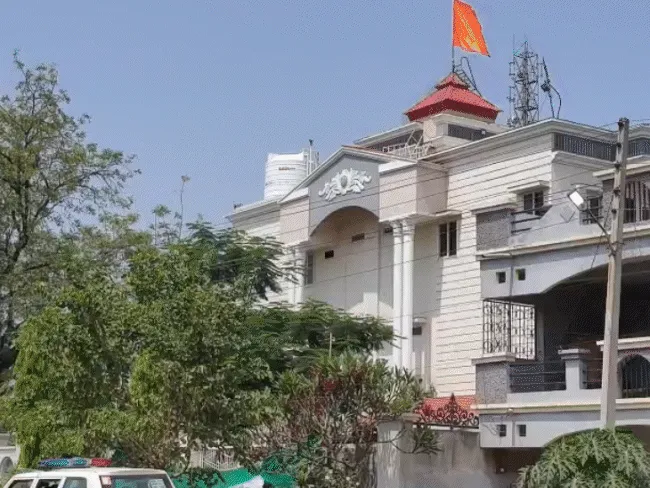
The recent auction of Dawood Ibrahim’s properties in Ratnagiri, Maharashtra, marks a significant development in the Indian government’s ongoing efforts to dismantle his extensive criminal network. The auction, which took place on March 5, 2026, follows several failed attempts to liquidate these assets, underscoring the challenges faced in addressing the legacy of organized crime in India.
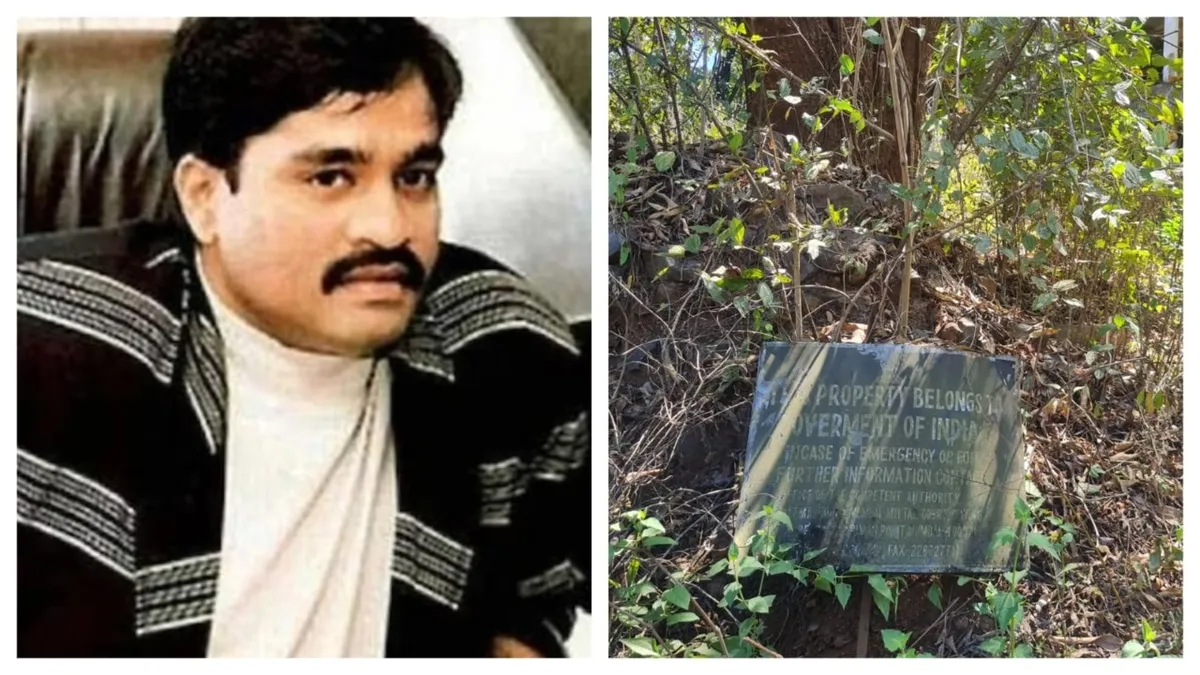
Four agricultural plots located in Mumbake village were auctioned, with the properties registered in the name of Ibrahim’s mother, Amina Bi. This move is part of a broader strategy under the Smugglers and Foreign Exchange Manipulators (Forfeiture of Property) Act (SAFEMA), aimed at seizing assets linked to criminal activities. The successful sale is being viewed as a key step in the government’s broader effort to liquidate properties linked to criminal networks.
In the latest auction, two buyers emerged, with one securing a single plot and another acquiring three plots. The reserve price for one of the plots was set at 9 lakh, while the final sale price reached 10 lakh. In a previous auction in 2024, one of the plots was sold for 2.01 crore, indicating a growing interest in these properties despite their controversial history.
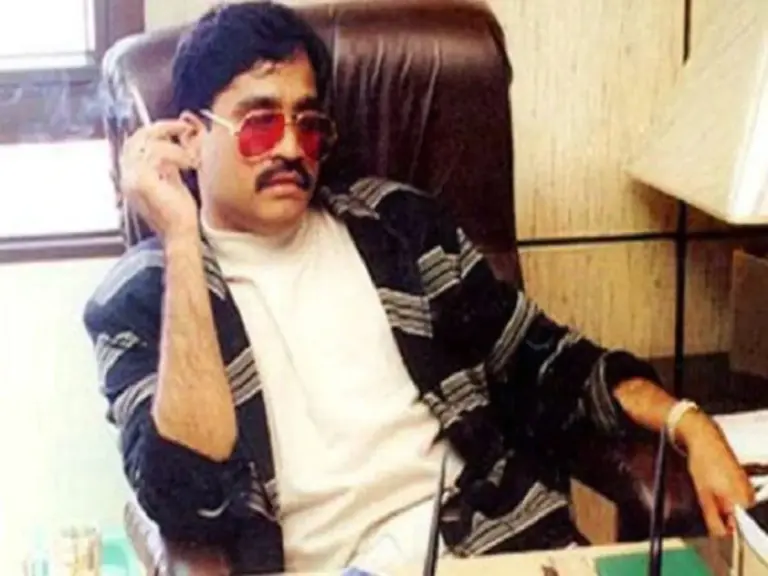
Dawood Ibrahim, who orchestrated the 1993 Mumbai serial blasts that killed over 250 people, has been a fugitive since fleeing India with purported backing from Pakistan. He has been designated a Specially Designated Global Terrorist by the United States since 2003 and is associated with Al-Qaeda, running a narco-terror empire that continues to pose a significant threat to regional stability.
The UN Security Council has multiple addresses for Dawood Ibrahim in Karachi, further complicating efforts to track his activities. Despite numerous reports regarding his health and whereabouts, his death has never been officially confirmed, leaving many questions unanswered about his current status.
Notably, Dawood Ibrahim’s notoriety has been revived in popular culture, particularly with his implied portrayal as ‘Bade Sahab’ in the film Dhurandhar 2, directed by Aditya Dhar. This resurgence in media attention highlights the ongoing fascination and fear surrounding his figure, even as law enforcement agencies work to dismantle his criminal empire.
Details remain unconfirmed regarding the identities of the buyers in the auction, and the status of Dawood Ibrahim’s health and whereabouts remains unclear. His death has been reported but not confirmed, leaving a cloud of uncertainty over his legacy and the future of his criminal enterprises.