









Who is involved
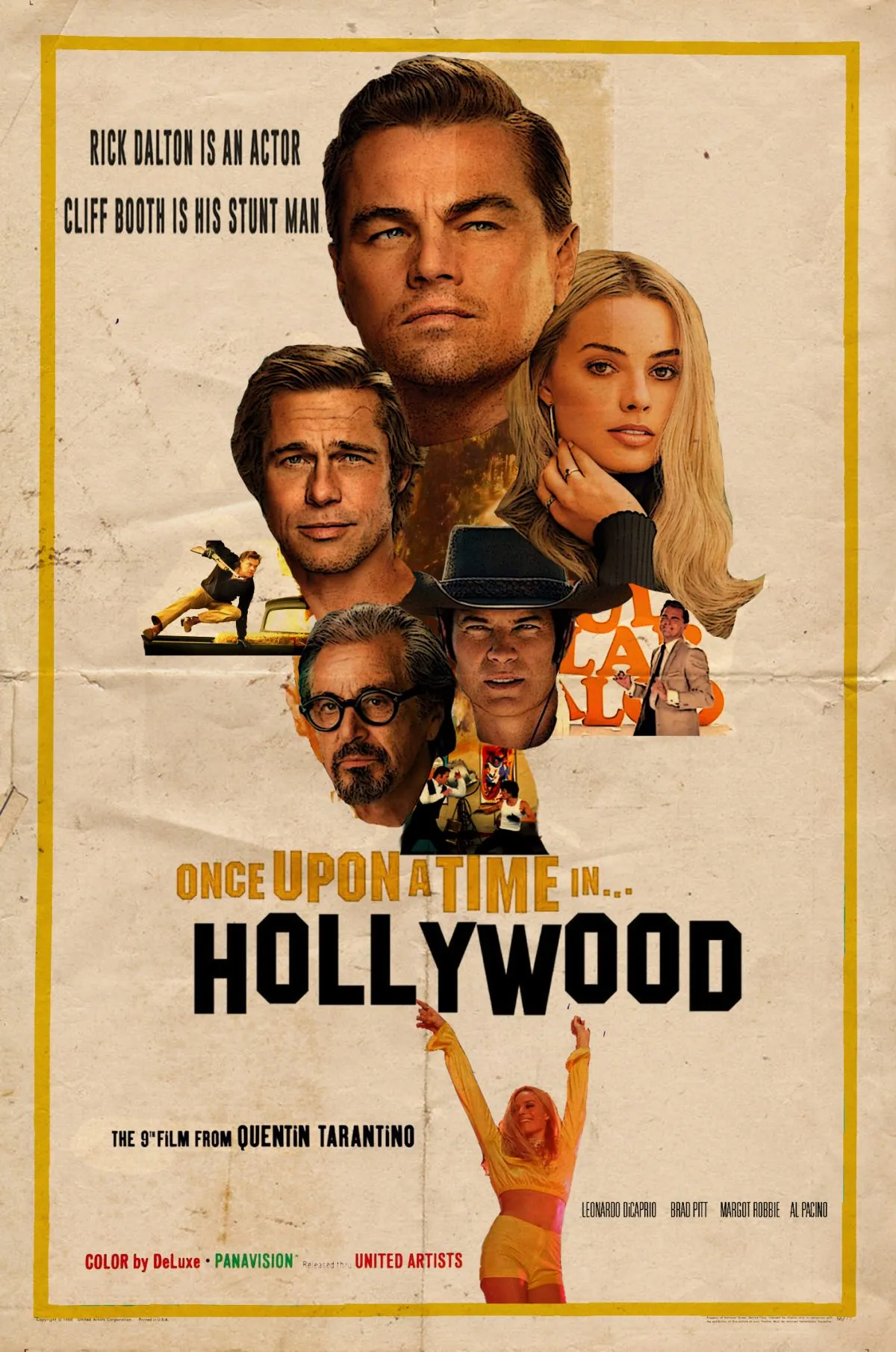
Once Upon a Time in Hollywood, released in 2019, became a global sensation, celebrated for its character-driven narrative and standout performances by Leonardo DiCaprio and Brad Pitt. The film set high expectations for its legacy, captivating audiences and critics alike with its unique storytelling and nostalgic homage to the late 1960s Hollywood.
Fast forward to 2026, and the landscape of film production has shifted dramatically. Netflix, with a staggering $20 billion content budget for the year, is poised to redefine how sequels are produced and distributed. The decisive moment came when Netflix announced the release of the sequel titled ‘The Adventures of Cliff Booth’, set to premiere on August 1, 2026. This announcement marks a significant pivot from traditional theatrical releases, as the sequel will be available exclusively on the streaming platform.
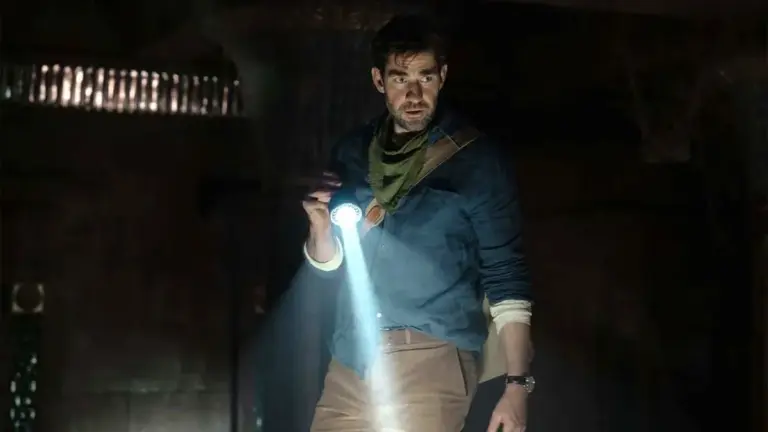
In this sequel, Brad Pitt will reprise his role as Cliff Booth, a character that resonated deeply with audiences in the original film. Quentin Tarantino returns as the writer, while David Fincher takes the helm as director, promising a fresh yet familiar narrative. The sequel is set approximately eight years after the events of Once Upon a Time in Hollywood, focusing heavily on the life and adventures of Cliff Booth.
The immediate effects of this shift are multifaceted. The film’s cast includes notable names such as Scott Caan, Timothy Olyphant, Elizabeth Debicki, Carla Gugino, and Yahya Abdul-Mateen II, indicating a strong ensemble that aims to attract both fans of the original and new viewers. However, the trailer for the sequel has received mixed reactions from fans, highlighting the challenges of meeting high expectations set by its predecessor.
Experts in the film industry have weighed in on this transition. Dan Lin, a prominent figure in Hollywood, remarked, “We’re looking to do special things in theatrical, but just give us some time.” His comments reflect the ongoing evolution of film distribution, where streaming services are increasingly becoming the primary platform for major releases. Lin also stated, “I think competition is a good thing … I think we’ll be even better because we have that competition, it makes us hungrier, sharper, so we’re not afraid of the competition.” This sentiment underscores the competitive nature of the current entertainment landscape.
The sequel’s announcement aligns with Netflix’s strategy to capitalize on successful franchises, as evidenced by the $25 million in concession revenue generated from the series finale of Stranger Things and the $19 million from the KPop Demon Hunters Singalong. These figures illustrate the potential financial benefits of leveraging popular content to drive viewership and engagement.
As anticipation builds for ‘The Adventures of Cliff Booth’, the film industry watches closely to see how this sequel will perform in a market increasingly dominated by streaming services. Tarantino himself expressed some ambivalence about revisiting familiar ground, stating, “I love this script, but I’m still walking down the same ground I’ve already walked. It just kind of unenthused me.” This perspective raises questions about the creative risks involved in sequels and the balance between nostalgia and innovation.
Details remain unconfirmed regarding the full scope of the sequel’s plot and its reception upon release. However, the shift from a theatrical to a streaming model represents a significant change in how audiences will experience the continuation of a beloved story. As the film industry evolves, the legacy of Once Upon a Time in Hollywood will undoubtedly be shaped by the success or failure of its sequel.