









How it unfolded
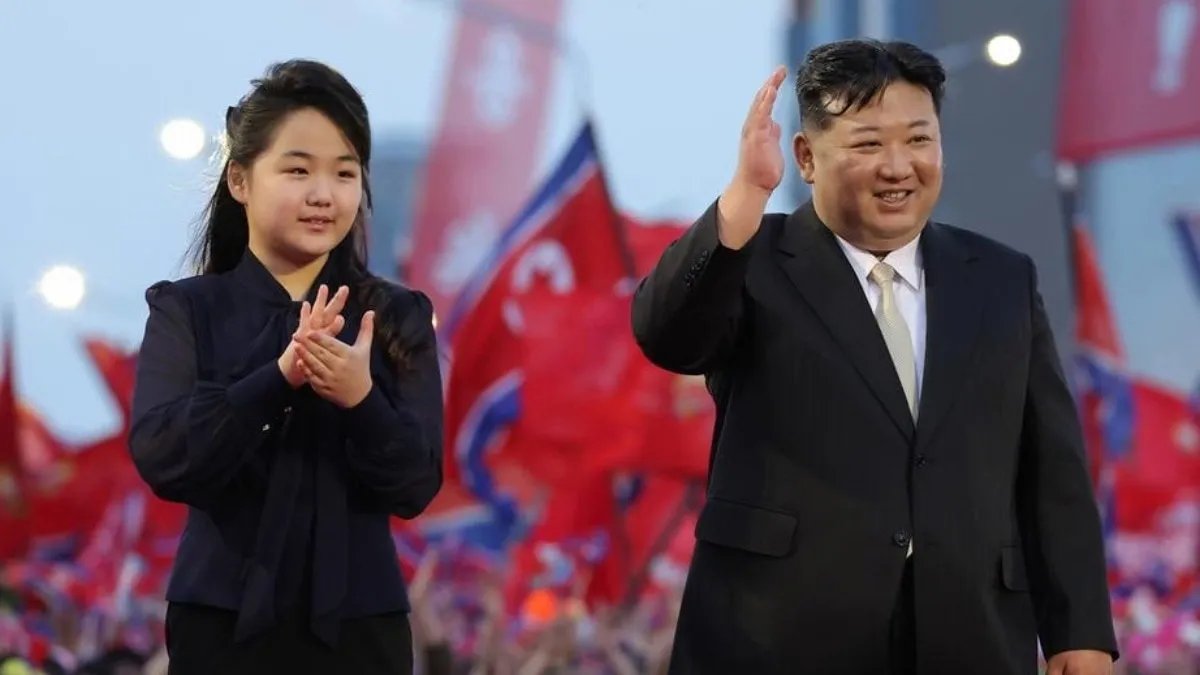
On March 15, 2026, North Korea held its parliamentary elections, a highly anticipated event that would reaffirm Kim Jong Un’s grip on power. The atmosphere was charged with the usual fervor, as citizens prepared to cast their votes in a tightly controlled electoral process. This election was particularly noteworthy as it marked the first time since 1957 that dissenting votes were acknowledged in North Korea’s electoral history.
As the day unfolded, reports indicated an astonishing voter turnout of 99.99%. This figure reflects the regime’s emphasis on participation, although it is essential to note that candidates were pre-selected by the ruling Workers’ Party of Korea, leaving voters with a binary choice. Despite this, the acknowledgment of dissenting votes, with 0.07% of voters rejecting the official candidates, represented a significant shift in the political landscape.
In the aftermath of the elections, results were quickly announced, revealing that Kim Jong Un had secured an overwhelming 99.93% of the votes. This result underscores the regime’s control over the electoral process, as dissenting voices remain minimal in a system where the ruling party dictates the candidates. The Supreme People’s Assembly, which consists of 687 representatives, continues to function as a rubber-stamp body for the decisions made by Kim and his inner circle.
Interestingly, the election also highlighted logistical challenges, with 0.0037% of registered voters unable to participate due to being abroad or at sea. Furthermore, an almost negligible 0.00003% of registered voters abstained from voting altogether, indicating a near-total compliance with the electoral process.
Kim Jong Un, who has been in power since 2011 following the death of his father, Kim Jong Il, has maintained a stronghold on North Korean politics. The recent elections reaffirm his leadership amidst ongoing international scrutiny and sanctions. The reported voter turnout and overwhelming support for Kim serve to bolster his regime’s narrative of legitimacy and stability.
As North Korea moves forward post-elections, the implications of these results are significant. The acknowledgment of dissenting votes, albeit minimal, could suggest a slight shift in the political dynamics within the country. However, the overarching control of the Workers’ Party of Korea remains firmly in place, ensuring that any potential for political change is tightly managed.
Details remain unconfirmed regarding the broader implications of the election results on North Korea’s international relations and internal governance. Observers will be keenly watching how Kim Jong Un navigates the challenges ahead, particularly in light of the global political climate and ongoing economic pressures.