









Breaking Development in the Iran-Israel-US War
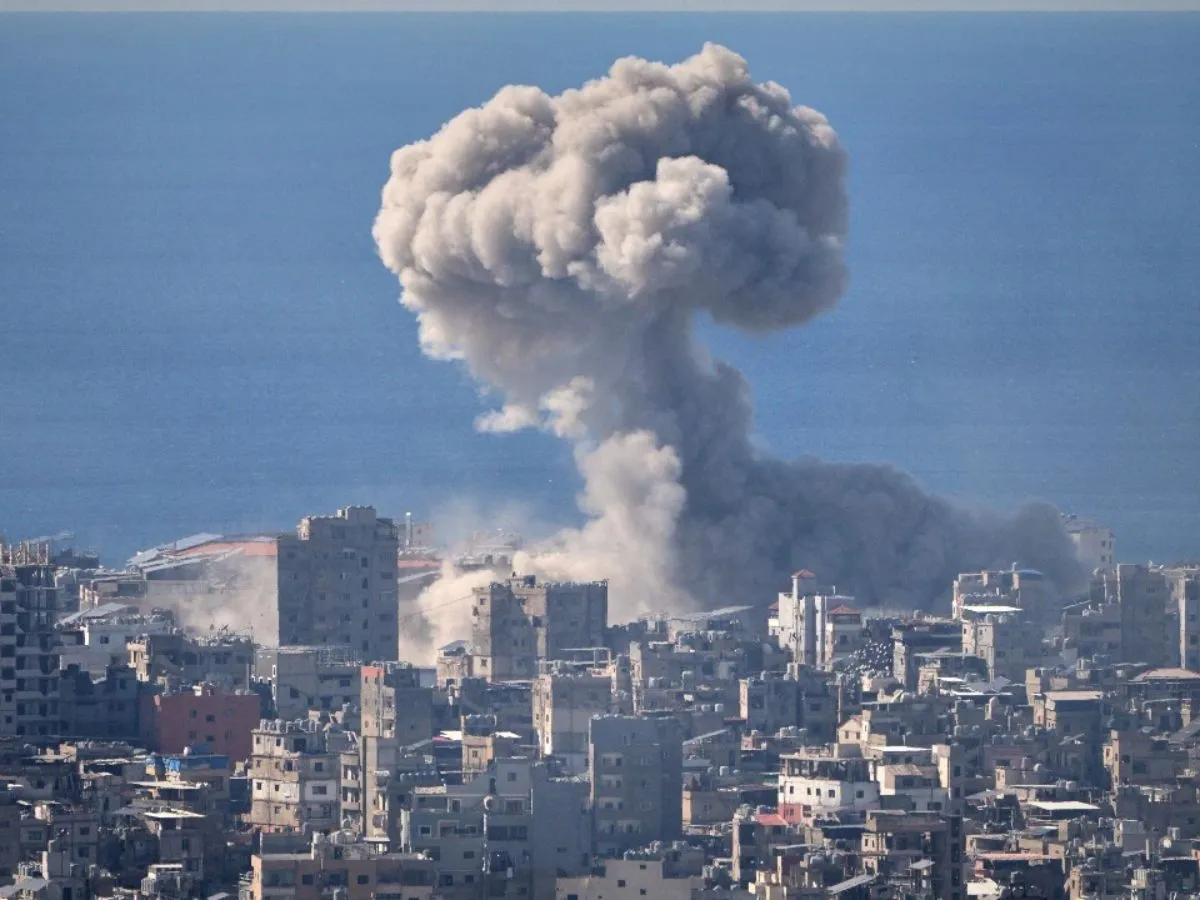
As of March 11, 2026, the ongoing conflict between Iran, Israel, and the United States has intensified, following a series of military confrontations that began on February 28, 2026. The war was ignited by the assassination of Iran’s Supreme Leader and several top officials, which has led to significant military actions and retaliatory strikes in the region.
Immediate Circumstances and Key Developments
In the wake of the conflict, Iran’s President Masoud Pezeshkian has articulated three conditions necessary for a cessation of hostilities: recognition of Iran’s rights, compensation for war damages, and guarantees against future attacks. These demands reflect Iran’s stance that military pressure alone will not bring about an end to the war. The situation remains dire, with reports indicating that the conflict has resulted in substantial civilian casualties and widespread destruction of infrastructure within Iran.
Wider Context and Regional Implications
The conflict has escalated tensions across the Middle East, affecting global shipping routes and energy markets. Brent crude prices have surged to $100 per barrel, driven by fears of further instability in the region. Iranian military officials have warned that any attack on its ports could trigger a broader regional response, emphasizing the precarious nature of the current situation. Israeli officials, however, maintain that the war may not lead to the collapse of Iran’s political system, despite the ongoing military pressure.
Official Statements and Reactions
In a recent statement, President Pezeshkian remarked, “The only way to end this war — ignited by the Zionist regime and U.S. — is recognising Iran’s legitimate rights, payment of reparations, and firm international guarantees against future aggression.” This statement underscores Iran’s insistence on addressing the damage caused by the conflict before any peace negotiations can take place. Meanwhile, Iranian military spokesperson Abolfazl Shekarchi warned, “If our ports and docks are threatened, all ports and docks in the region will be our legitimate targets,” indicating a readiness to escalate military responses if provoked.
Impact on Civilians and Economy
The ongoing war has exacerbated Iran’s economic challenges, which were already strained by international sanctions. The humanitarian impact is severe, with many civilians caught in the crossfire, leading to calls for urgent international intervention to address the escalating crisis. The Iranian leadership has expressed a willingness to engage in peace talks, but only if their conditions are met, highlighting the complexities of the situation.
International Reactions and Future Prospects
As the conflict continues, international observers are closely monitoring the situation, with various countries expressing concerns over the potential for a wider war. The involvement of external powers, including Russia and Pakistan, adds another layer of complexity to the conflict. The need for diplomatic solutions is increasingly urgent, as the humanitarian toll rises and regional stability hangs in the balance.
As the Iran-Israel-US war unfolds, the world watches closely, awaiting developments that could reshape the geopolitical landscape of the Middle East. While Iran remains open to peace, the conditions set forth by its leadership indicate that significant challenges lie ahead in achieving a resolution. Details remain unconfirmed as the situation evolves.