







Political Landscape Before the Uprising
Before the upheaval in 2024, Bangladesh was under the long-standing governance of Sheikh Hasina and the Awami League, which had maintained a firm grip on power. The political environment was marked by increasing discontent among opposition parties, particularly the Bangladesh Nationalist Party (BNP) led by Tarique Rahman. The BNP struggled to gain traction against the ruling party, which had been accused of authoritarian practices.
The Uprising and Its Immediate Aftermath
The situation escalated dramatically in 2024 when a deadly uprising resulted in approximately 1,400 deaths and over 20,000 injuries. This uprising was a pivotal moment, leading to significant political changes. Following the unrest, Bangladesh’s Parliament convened for the first time since the uprising, marking a new chapter in the country’s governance.
Changes in Parliamentary Composition
In the recent parliamentary elections, the BNP-led alliance secured 212 out of 350 seats, with the BNP itself winning 209 seats. This marked a substantial shift in power dynamics, as the BNP had previously faced significant obstacles in its quest for political influence. The leader of the Opposition, Shafiqur Rahman, heads the Jamaat-e-Islami-led alliance, which holds 76 seats.
Expert Perspectives on the Shift
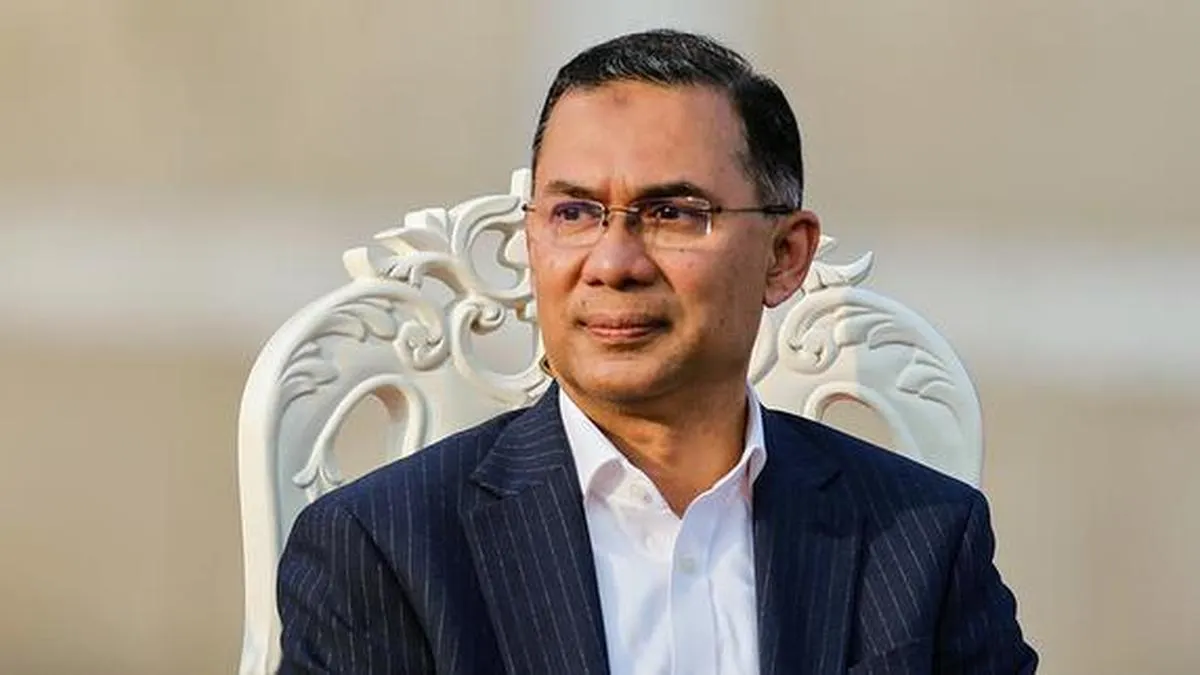
Tarique Rahman expressed optimism about the new parliamentary session, stating, “After more than a decade and a half of fascist and subservient rule, the activities of Parliament are beginning today with representatives elected by the people.” He emphasized the importance of making Parliament the center of national debates and problem-solving.
Impact on Governance and Society
The political upheaval has not only reshaped the parliamentary landscape but also led to significant societal changes. Bangladesh has faced an energy crisis, prompting the government to close universities and implement fuel rationing. The ongoing energy trade with India, facilitated by the India-Bangladesh Friendship Pipeline operational since 2017, remains a critical aspect of the country’s energy supply.
Looking Ahead
As Bangladesh navigates this new political terrain, the future remains uncertain. The BNP aims to build a prosperous and democratic nation, but the challenges posed by the recent uprising and ongoing energy crisis will require careful management and collaboration among political factions.