









What does the recent referendum at JNU reveal about the Vice Chancellor’s future?
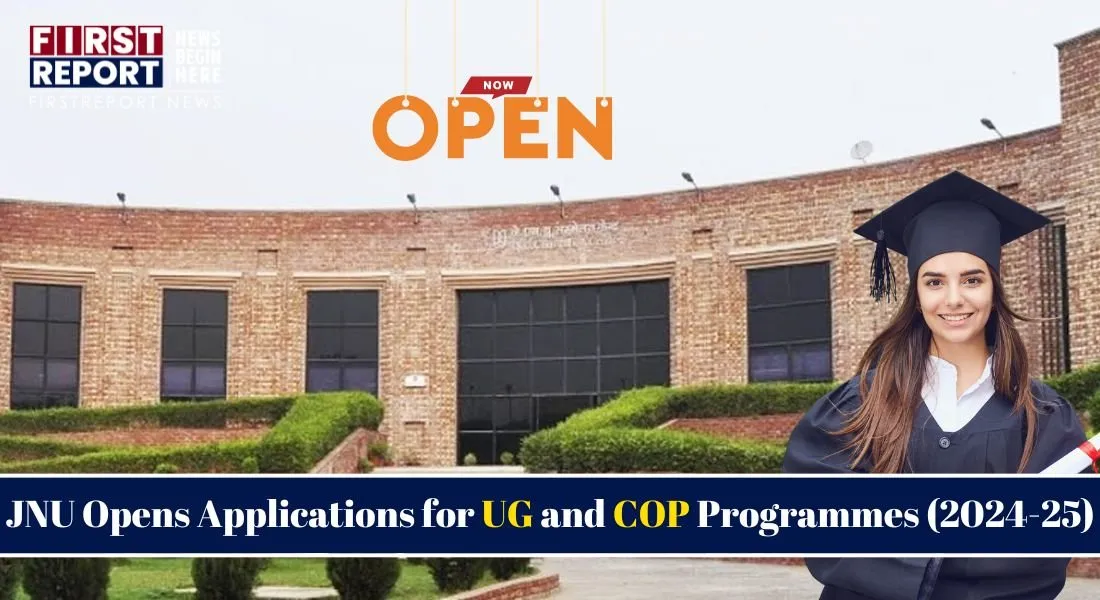
A referendum conducted by the Jawaharlal Nehru University Students’ Union (JNUSU) has resulted in a significant majority of students voting against the continuation of Vice Chancellor Santishree Dhulipudi Pandit. Out of 2,409 students who participated, 2,181 voted against her, while only 207 supported her continuation.
The referendum, held on March 10, has been marred by allegations of administrative corruption and casteist remarks made by the Vice Chancellor. Notably, the controversy escalated after she reportedly stated that “Dalits and Blacks are drugged with victimhood,” prompting widespread protests on campus.
More than 50 students were detained during these protests, with 14 arrests made. The protests reflect deep-seated frustrations within the student body regarding the administration’s handling of various issues, including the suspension of four JNUSU office-bearers earlier this year.
Despite the overwhelming vote against her, the legitimacy of the referendum has come under scrutiny. Some faculty members and students have questioned its legal soundness, with Christhu Doss, a student leader, asking, “Who was the independent election commission or election commissioner who monitored this so-called referendum to make it transparent, democratic, legal and acceptable?”
In defense of the referendum, Aditi Mishra, another student leader, stated, “It is very sad that the legitimacy of an elected student body has been repeatedly questioned. The referendum conducted by JNUSU is absolutely valid, all due process was followed.” This highlights the divide among the student and faculty community regarding the process and its outcomes.
The university, which has around 9,000 students across multiple disciplines, is now at a crossroads. While the JNUSU claims that the referendum was an exercise aimed at democratically ascertaining the opinion of the student community, the ongoing disputes raise questions about the future governance of the university.
Details remain unconfirmed regarding the exact date of the announcement of the referendum results, and the legitimacy of the referendum process continues to be contested. As tensions persist, the university community awaits further developments in this unfolding situation.