





Background and Prior Expectations
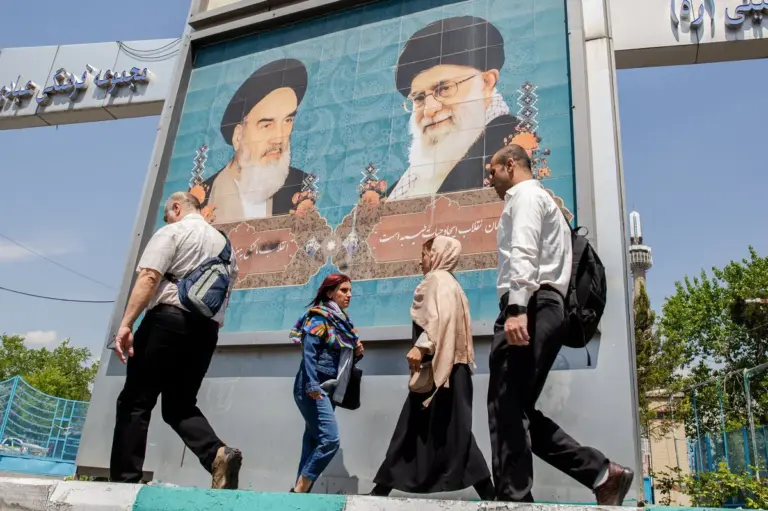
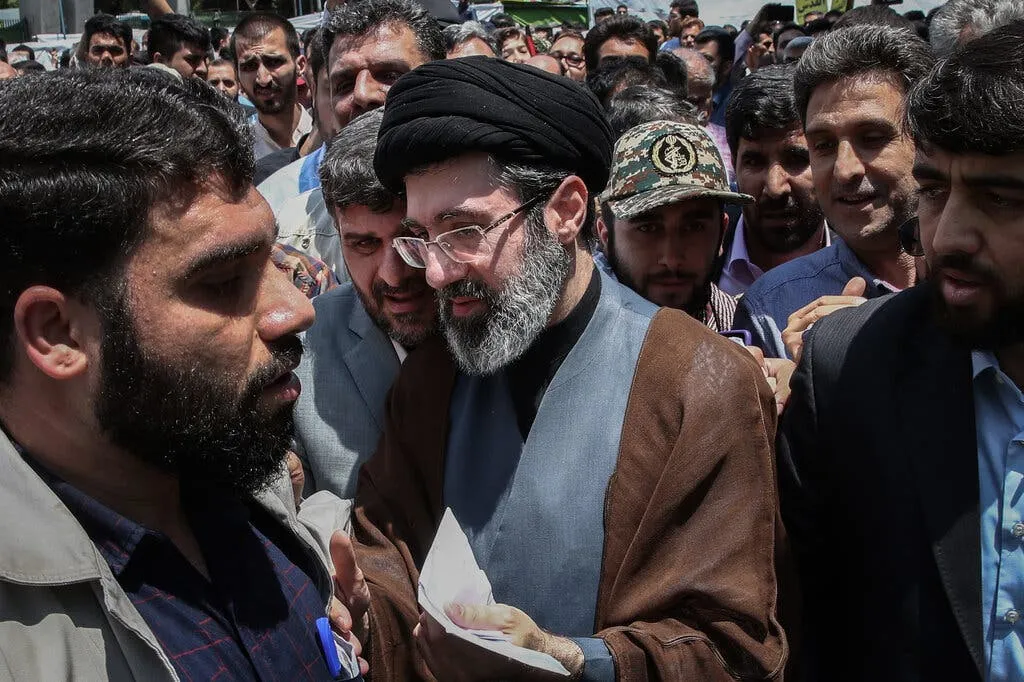
Before the recent developments, Iran was under the leadership of Ali Khamenei, who had served as the Supreme Leader since 1989. His tenure was marked by a strong grip on power and a significant influence over the Islamic Revolutionary Guards Corps (IRGC) and other state institutions. Expectations were that the transition of power would be smooth, with a clear successor in mind. Mojtaba Khamenei, the son of Ali Khamenei, was seen as a potential candidate due to his familial ties and previous involvement in political affairs.
Decisive Moment and Changes
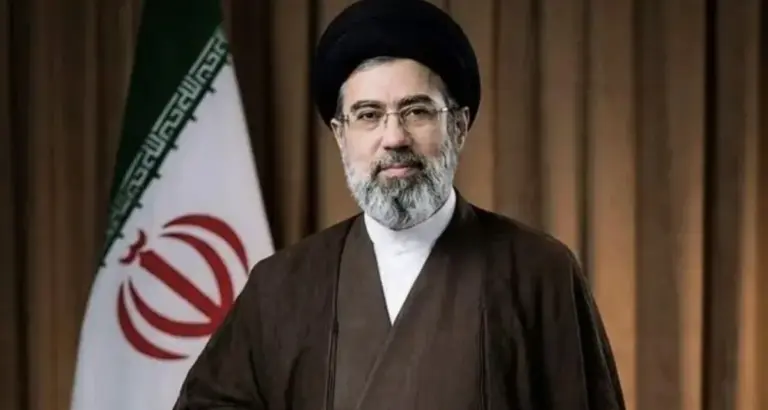
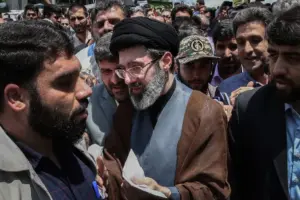
However, the landscape shifted dramatically following an Israeli airstrike on February 28, 2026, which resulted in the death of Ali Khamenei, along with other family members, including Mojtaba’s mother and wife. In the aftermath, Mojtaba Khamenei was appointed as Iran’s Supreme Leader on March 8, 2026. Reports indicate that he sustained injuries during the attack, and while Iranian officials have stated he is safe, there are concerns regarding the extent of his injuries, with speculation that he may be in a coma.
Immediate Effects on Leadership
The IRGC and military pledged their allegiance to Mojtaba Khamenei following his nomination, indicating a desire for continuity in leadership amidst the turmoil. However, his lack of public appearances since the appointment has raised questions about his ability to lead effectively. Public sentiment appears divided, with some citizens expressing opposition, as evidenced by protests in Tehran where cries of “Death to Mojtaba!” were heard. This public dissent contrasts sharply with the support from military factions.
Expert Perspectives
Experts have weighed in on the implications of this leadership change. Yousef Pezeshkian, an Iranian politician, mentioned, “I heard news that Mr. Mojtaba Khamenei had been injured. I have asked some friends who had connections. They told me that, thank God, he is safe and sound.” This statement reflects a cautious optimism about his safety, yet the uncertainty surrounding his health persists. Emile Hokayem, a regional expert, noted, “Killing him early is certainly an Israeli priority. If he survives, he becomes a totem, a testimony to the resilience of the system.” This highlights the geopolitical stakes involved in Mojtaba’s survival and leadership.
Current Uncertainties
Details remain unconfirmed regarding the full extent of Mojtaba Khamenei’s injuries and how long he will remain out of public view. There are also questions about whether he is capable of fulfilling his duties as Supreme Leader, especially given the significant challenges facing Iran, including economic issues and international relations. The assembly that elects the Supreme Leader consists of 88 clerics, and their support will be crucial for Mojtaba’s legitimacy moving forward.
The transition of power to Mojtaba Khamenei marks a pivotal moment in Iran’s political landscape. As the nation grapples with the aftermath of the airstrike and the loss of its long-time leader, the new Supreme Leader’s health and ability to govern will be closely monitored both domestically and internationally. The unfolding situation will likely shape Iran’s future trajectory in the coming months.