





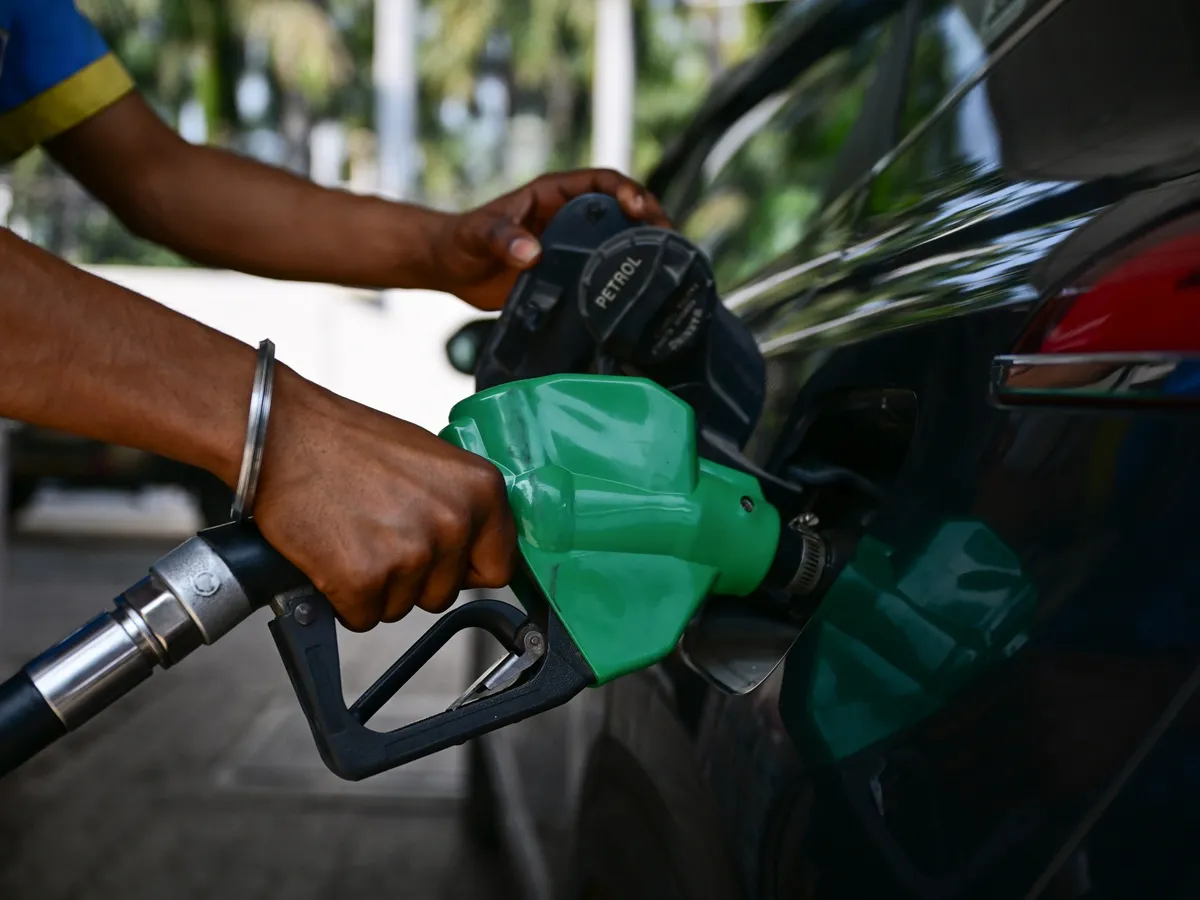
Petrol Prices Surge in Pakistan
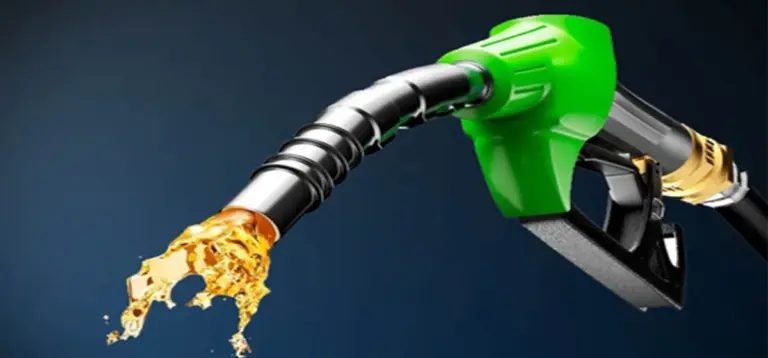
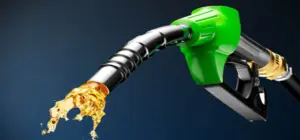
On March 11, 2026, the Pakistani government announced a substantial increase in petrol prices, raising them by 55 Pakistani rupees per litre. This adjustment comes amid escalating geopolitical tensions in the region, particularly following recent attacks on Iran by the US and Israel.
The new ex-depot price of petrol has been set at 321.17 Pakistani rupees per litre, up from 266.17 rupees, marking an increase of approximately 17 percent. Additionally, the ex-depot price of high-speed diesel has risen to 335.86 rupees per litre, reflecting a 20 percent hike from the previous price of 280.86 rupees.
This price surge in Pakistan is part of a larger trend, as at least 85 countries have reported increases in petrol prices since the onset of the conflict in Iran. In the United States, the average price of regular petrol has jumped from $2.94 in February to $3.58, a notable 20 percent increase.
In Asia, the situation is particularly acute. Vietnam has experienced the highest petrol price increase, with costs soaring nearly 50 percent from $0.75 per litre to $1.13. Meanwhile, in India, petrol prices in Delhi remain at ₹94.77 per litre, while diesel is priced at ₹87.67 per litre.
Domestic LPG prices in India have also seen a rise, increasing by about ₹60 per 14.2-kg cylinder, bringing the total price to around ₹913. This has led to speculation about potential shortages, with Dhruv Ruparel stating, “There is a shortage of LPG, and people are speculating that there’s a shortage of petrol and diesel as well.”
As the conflict continues, Asia’s dependence on the Strait of Hormuz for oil and gas delivery has become increasingly precarious, with the strait effectively closed since the war began. This has raised concerns about future petrol prices and supply stability across the region.
Experts predict that crude oil prices could stabilize around $100 per barrel, but the exact impact of ongoing geopolitical tensions on future petrol prices remains unclear. Details remain unconfirmed.
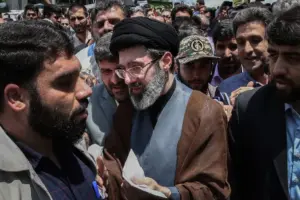
Official reactions to the price hikes in Pakistan have yet to be fully articulated, but the public response indicates growing concern over the affordability of fuel amid rising living costs.