







Context of the Remarks
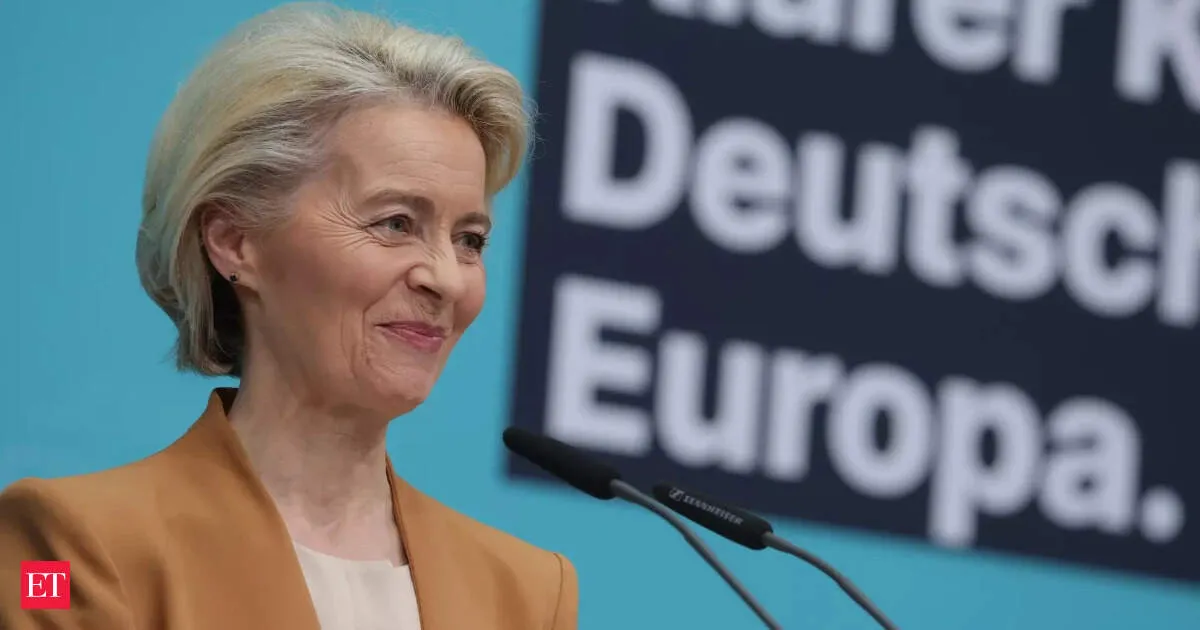
In a recent address, Ursula von der Leyen, the president of the European Commission, made a bold declaration that the rules-based world order is finished. This statement has sent ripples through the European Union, prompting a range of reactions from member states and officials.
Following her remarks, António Costa, the president of the European Council, publicly disagreed with von der Leyen, emphasizing the importance of defending the rules-based international order. Costa’s response highlights a growing tension within the EU regarding the direction of its foreign policy and the role of its leadership.
Discontent Among Member States
Discontent with von der Leyen’s comments has been particularly pronounced in countries like France and Spain. Spanish Foreign Minister José Manuel Albares expressed his disagreement with Germany’s vision on international order, indicating a fracture in the EU’s unified stance on foreign policy. The divergence in opinions among member states raises questions about the coherence of the EU’s diplomatic efforts.
Calls for Clarification
As backlash against von der Leyen’s remarks grew, there were calls for clarification regarding her stance. Some officials suggested that her comments could lead to a potential no-confidence vote against her, reflecting the seriousness of the discontent among EU leaders. The European Commission quickly moved to add nuance to von der Leyen’s words, attempting to mitigate the fallout from her initial statement.
Criticism of Foreign Policy Actions
Von der Leyen has faced criticism not only for her recent comments but also for her broader foreign policy actions, which some argue have overstepped her bounds. Thierry Breton, a European Commissioner, pointed out that when the Commission behaves like an autonomous diplomatic actor, it dilutes the European voice, suggesting that a more coordinated approach is necessary for effective diplomacy.
Warning from the French Government
The French government has also weighed in on the situation, warning that the High Representative is responsible for directing the Union’s common foreign and security policy. This statement underscores the importance of clear leadership and coordination within the EU, especially in light of von der Leyen’s controversial remarks.
Support for Israel During Gaza Conflict
Additionally, von der Leyen’s support for Israel during the recent Gaza conflict has drawn criticism, further complicating her position within the EU. Her stance on this sensitive issue has contributed to the perception that her foreign policy approach may not align with the views of all member states, particularly those advocating for a more balanced position in the Israeli-Palestinian conflict.
Current State and Implications
As it stands, von der Leyen’s remarks have not only sparked a debate about the future of the EU’s foreign policy but have also highlighted the existing divisions among member states. The situation remains fluid, with details still emerging about the potential consequences of her statements. The ongoing discourse around her leadership and the EU’s diplomatic strategy will be crucial in shaping the Union’s response to global challenges moving forward.