







Breaking Development
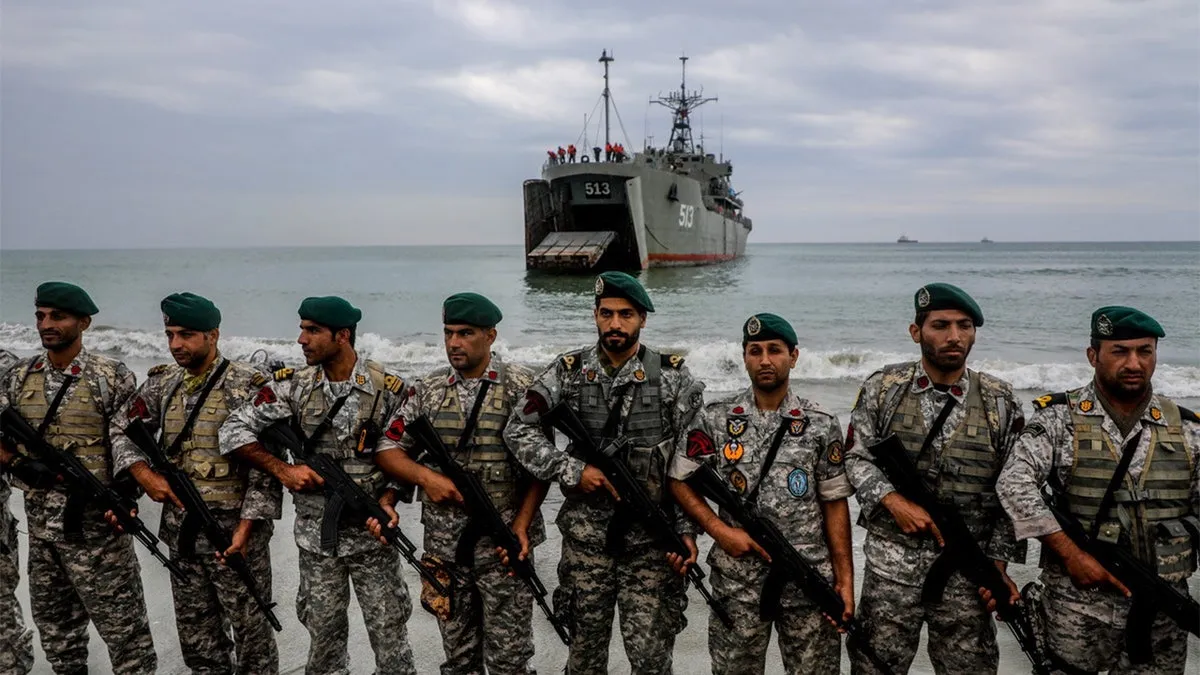
On March 10, 2026, Iran has begun laying mines in the strategically crucial Strait of Hormuz, a vital passage for global oil shipments. This development comes amid escalating tensions between Iran and the United States, with US Central Command responding by destroying multiple Iranian naval ships, including 16 minelayers, in the area.
Immediate Circumstances
The Strait of Hormuz is responsible for transporting about one-fifth of all crude oil globally. The effective closure of this strait has stranded approximately 15 million barrels per day of crude production and 4.5 million barrels per day of refined fuels in the Gulf. As a result, oil prices have experienced significant fluctuations, with Brent crude prices dropping 17 percent to below $80 a barrel before rebounding to around $90.
The ongoing conflict has forced major oil-producing nations, including Saudi Arabia, the UAE, Kuwait, and Iraq, to cut oil production due to the uncertainty surrounding the Strait of Hormuz. Since the start of the war, US petroleum prices have risen about 17 percent, reflecting the broader implications of the conflict on global markets. Every 10 percent rise in oil prices corresponds with a 0.4 percent rise in inflation and a 0.15 percent reduction in economic growth.
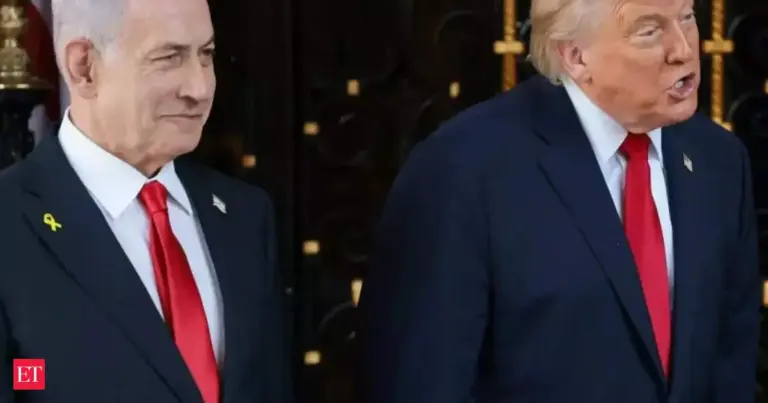
In response to the situation, former President Donald Trump stated, “If Iran has put out any mines in the Hormuz Strait, and we have no reports of them doing so, we want them removed, IMMEDIATELY!” He further assured that the Strait of Hormuz would remain safe, citing the presence of US Navy ships and advanced equipment to inspect for mines.
Market analysts have noted that the recent price fluctuations reflect a market that is treating the risk of supply disruption as real. Chad Norville remarked, “What we saw this week was the market briefly treating that risk as real and repricing supply disruption in earnest.” As the situation develops, the duration of the war and its implications for oil supply remain uncertain. Details remain unconfirmed.