









US-Israeli War on Iran Intensifies
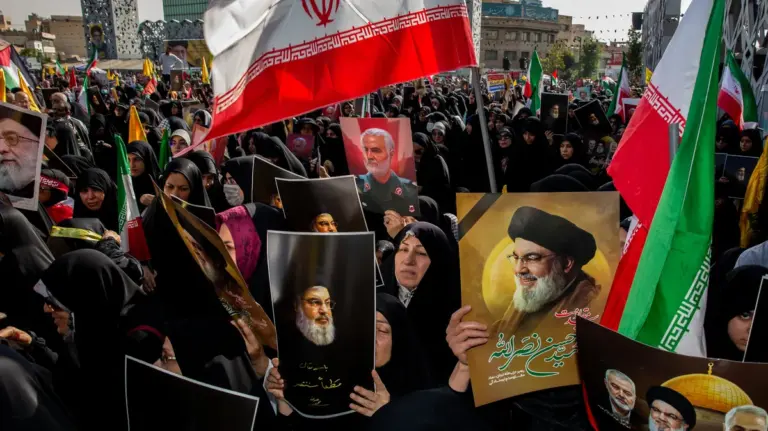
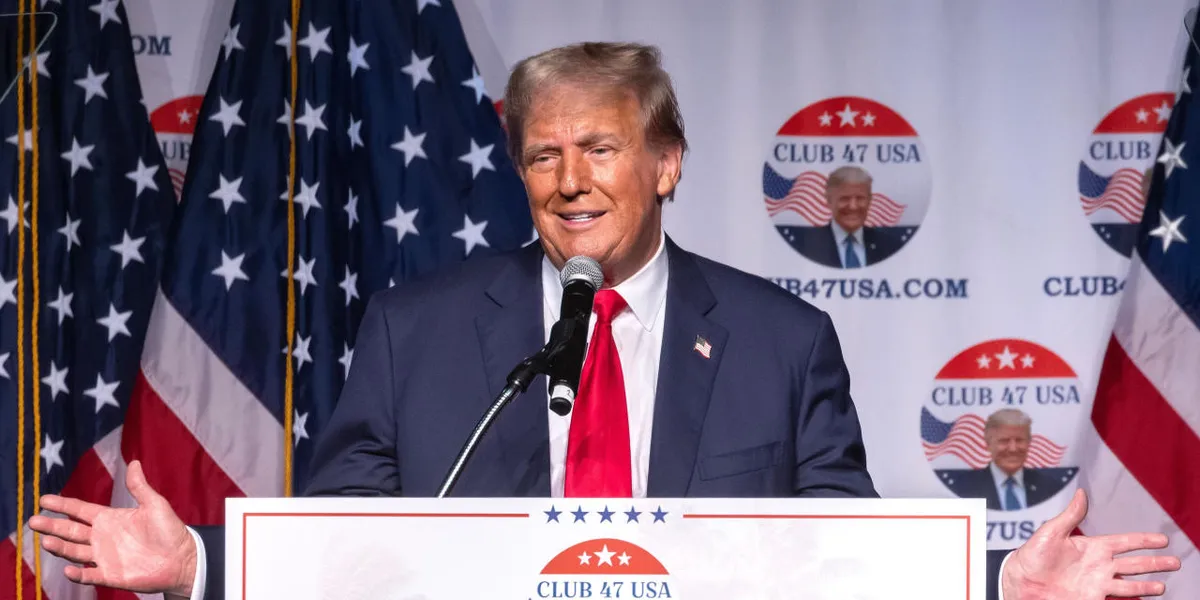
The ongoing US-Israeli war on Iran, which commenced on February 28, 2026, has seen significant military actions and rising casualties. Donald Trump recently stated that the conflict will be over “very soon,” indicating a potential shift in the dynamics of the situation.
Since the war began, the US and Israel have struck approximately 5,000 targets in Iran. This extensive military campaign has resulted in 1,200 reported deaths and 10,000 injuries within Iran, highlighting the severe impact of the conflict on the Iranian populace.
Trump characterized the military engagement as a “short-term excursion,” suggesting a limited timeframe for the operation. He expressed confidence in the effectiveness of the strikes, claiming that Iran’s missile capability has been reduced to about 10 percent or less.
In a concerning development, Trump threatened a larger attack on Iran should it attempt to block oil supplies in the Strait of Hormuz, a critical passage for global oil transportation. He stated, “I will not allow a terrorist regime to hold the world hostage and attempt to stop the globe’s oil supply.” This statement underscores the strategic importance of the region and the potential for further escalation.
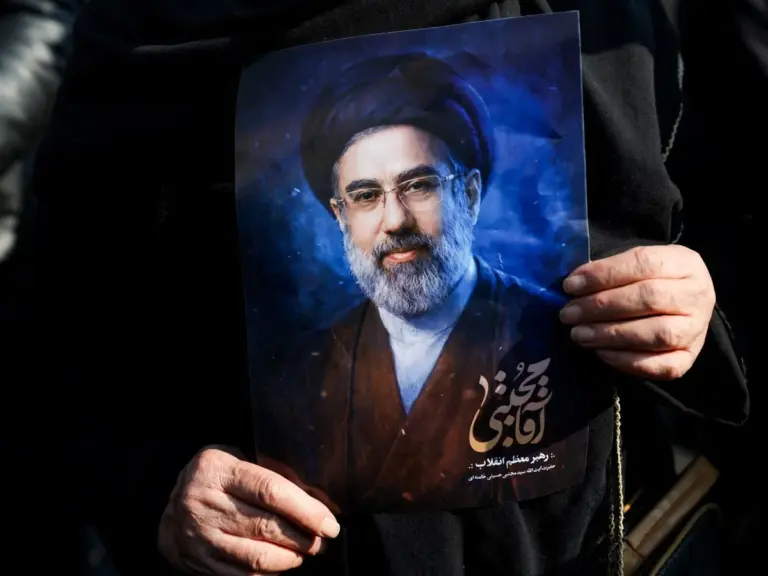
Trump also expressed disappointment over the recent appointment of Mojtaba Khamenei as Iran’s new supreme leader, indicating that this change could complicate diplomatic efforts. His administration has been in contact with global leaders, including a “positive phone call” with Vladimir Putin regarding the wars in Ukraine and Iran.
The Brent crude oil price has risen to $119 per barrel during the conflict, reflecting the market’s reaction to the ongoing military actions and the potential for disruptions in oil supply.
As the situation develops, the international community is closely monitoring the conflict. While Trump remains optimistic about a swift resolution, the complexities of the geopolitical landscape raise questions about the future of US-Israeli relations and the stability of the region.
Details remain unconfirmed regarding the long-term implications of the conflict and the potential for diplomatic negotiations. The coming weeks will be crucial in determining the trajectory of the war and its impact on global politics.