







Current Situation
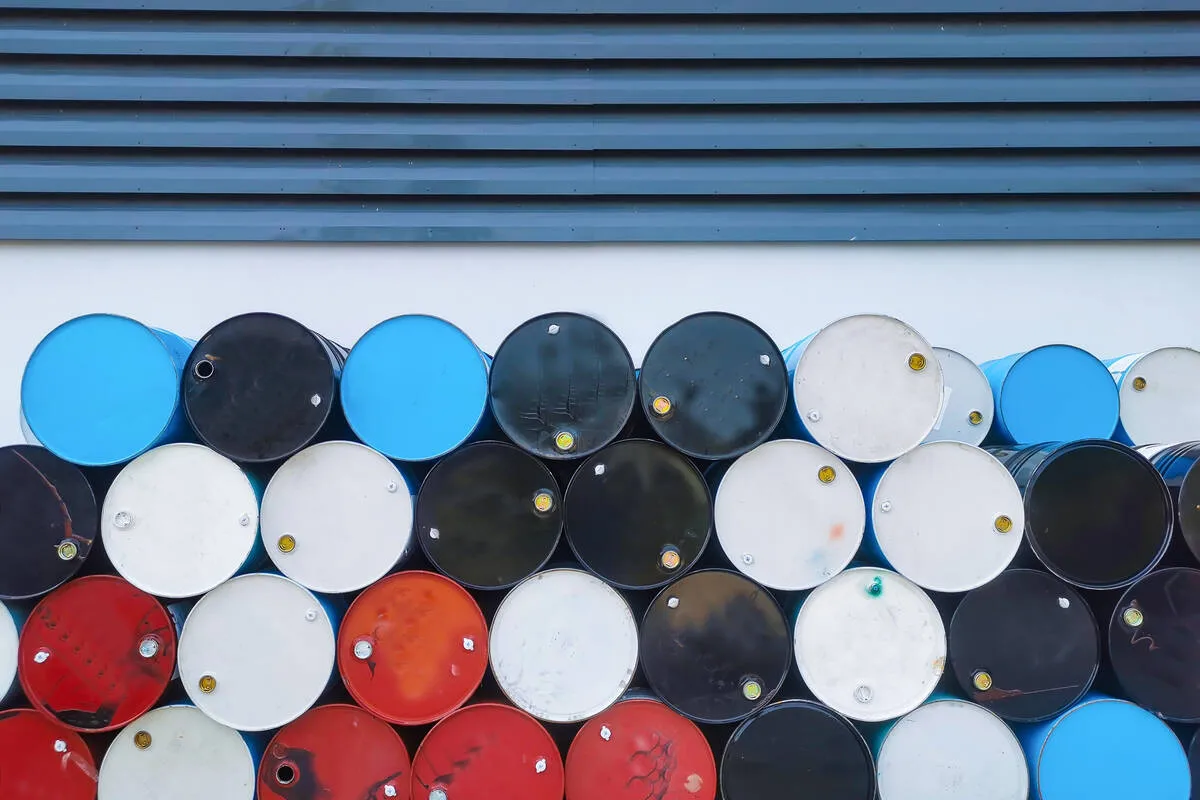
Crude oil prices have recently surged above $100 a barrel, a significant shift from previous expectations where prices were more stable. This increase has raised concerns about its impact on the economy and consumer behavior.
Changes in the Market
Before this spike, the U.S. was enjoying a positive oil trade balance of 2.8 million barrels per day, largely due to its ability to export over 6 million barrels of refined products and 4 million barrels of crude oil daily. The prior expectation was that gasoline prices would remain manageable, as they had not been a major contributor to U.S. inflation in recent years, according to the U.S. Federal Reserve.
Immediate Effects
The recent rise in crude oil prices has immediate effects on consumers, particularly at the gas pump. As prices increase, there are indications that high gas prices can lead to decreased consumer spending on durable goods. This shift could have broader implications for the economy, as consumers may prioritize essential spending over discretionary purchases.
Consumer Sentiment
Public sentiment is also affected by these rising prices. As one observer noted, “It’s hard not to feel pessimistic when gasoline prices at the local pump are already rising.” This sentiment reflects a growing concern among consumers about their financial well-being in the face of escalating fuel costs.
Long-term Considerations
Moreover, high gasoline prices might encourage more Americans to consider buying electric cars, as consumers look for ways to mitigate their fuel expenses. This shift could accelerate the transition to cleaner technologies, as oil price shocks generally lead to greater investment in these areas.
Expert Perspectives
Experts suggest that while high gas prices can create immediate discomfort for consumers, they may also drive innovation and investment in alternative energy solutions. The current environment presents both challenges and opportunities for the energy sector and consumers alike.
As the crude oil price continues to fluctuate, the effects on consumer behavior and the broader economy will be closely monitored. The interplay between oil prices and economic indicators will remain a critical area of focus for policymakers and industry leaders.