Introduction
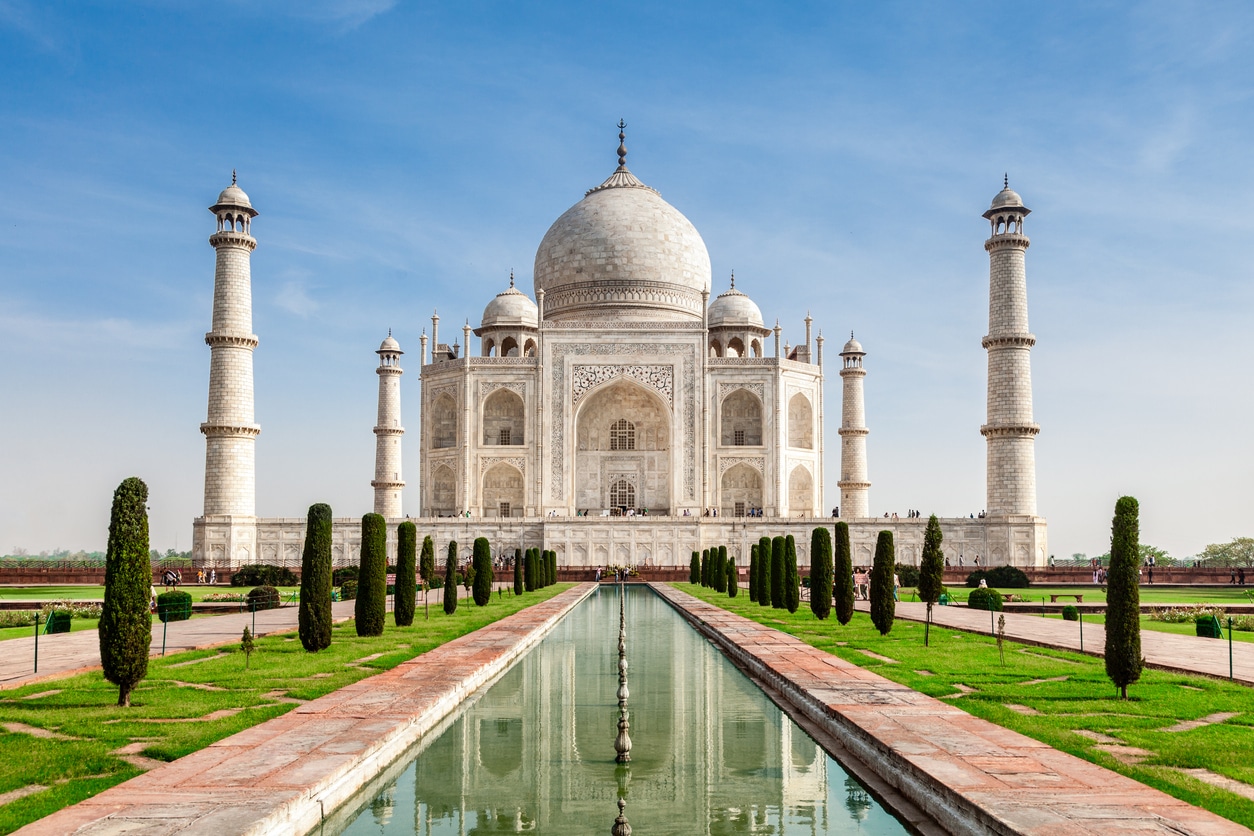
The Taj Mahal, an exquisite monument located in Agra, India, is not only a UNESCO World Heritage Site but also a symbol of eternal love and remarkable architectural prowess. Built in the 17th century by Mughal Emperor Shah Jahan in memory of his beloved wife Mumtaz Mahal, the Taj Mahal attracts millions of visitors each year. Its significance lies not only in its stunning beauty but also in its representation of India’s rich history and culture.
Historical Background
Construction of the Taj Mahal began in 1632 and took approximately 22 years to complete, involving thousands of artisans and labourers. The structure boasts a blend of Indian, Persian, and Islamic architectural styles, with its iconic white marble dome surrounded by lush gardens, reflecting pools, and intricate carvings. The mausoleum houses the tombs of both Shah Jahan and Mumtaz Mahal, symbolising a love story that has transcended time.
Recent Developments
In recent years, the Taj Mahal has faced numerous challenges, including environmental threats and the impact of tourism. Increased air pollution and rising water levels in the Yamuna River have raised concerns regarding the monument’s structural integrity. To combat these issues, the Indian government has initiated various restoration and conservation projects. Additionally, in 2023, the Supreme Court of India upheld regulations on tourist footfall to mitigate damages caused by over-visitation, ensuring the preservation of this cultural icon for future generations.
Significance Today
Today, the Taj Mahal holds immense significance not only as a testament to Mughal architecture but also as a representation of India’s diverse cultural heritage. It stands as a reminder of the era of love and beauty that it encapsulates, drawing people from around the globe to experience its grandeur. The monument also plays a vital role in India’s economy, as tourism associated with the Taj Mahal contributes substantially to local and national revenue.
Conclusion
The Taj Mahal remains one of the most celebrated architectural masterpieces in the world. Its deep-rooted history, breathtaking beauty, and the love story it embodies continue to fascinate visitors and historians alike. As conservation efforts progress, it is hopeful that this stunning mausoleum will remain a symbol of love and architectural brilliance for generations to come, reinforcing its status as one of the most cherished monuments in the world.