








What does the recent temperature spike in Delhi indicate?
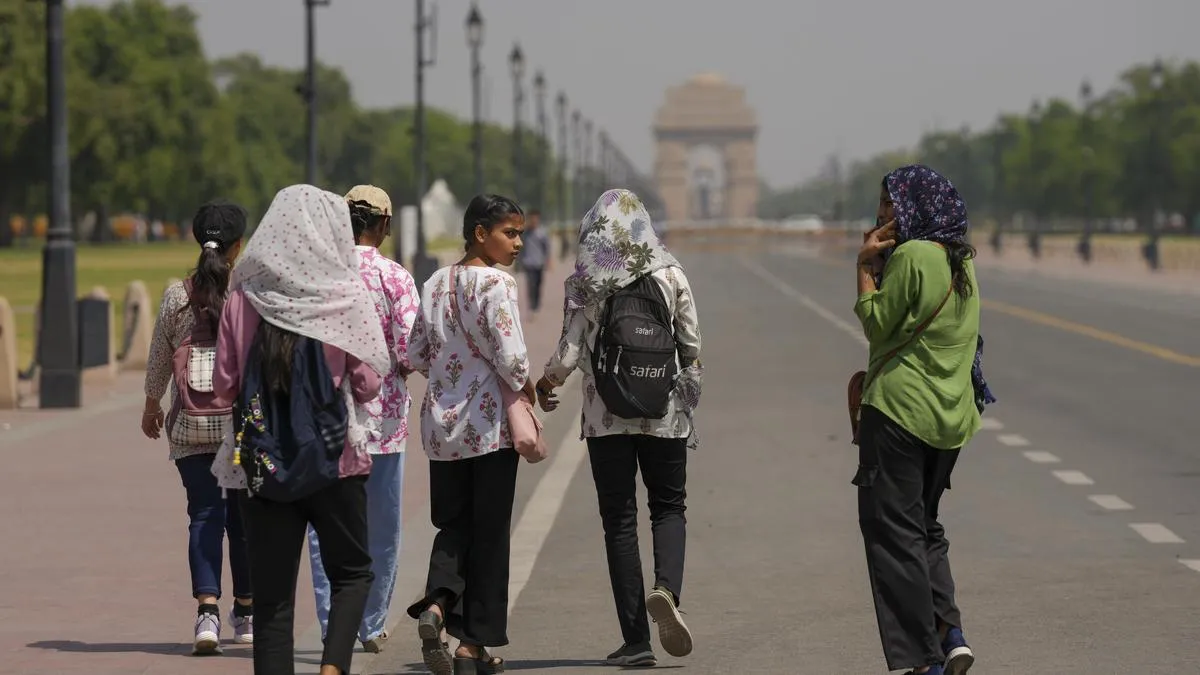
On March 7, 2026, Delhi recorded a maximum temperature of 35.7°C, marking the highest temperature in the first week of March in 50 years. This significant rise raises questions about the ongoing climate trends affecting the region.
The previous record for maximum temperature during the first seven days of March was 34.8°C, set on March 5, 1999. The recent temperature was notably 7 degrees Celsius above normal, indicating a concerning shift in weather patterns.
Additionally, the minimum temperature on the same day was recorded at 17.4°C, which is 3 notches above normal. Meteorologists predict that temperatures could rise further, potentially reaching around 37 degrees Celsius by March 11, 2026.
Delhi’s air quality index (AQI) also reflects the environmental challenges the city faces, with a recorded AQI of 246 on March 7, categorizing it as ‘poor’. This is a significant increase from the previous day’s AQI of 172, which was in the ‘moderate’ range.
RK Jenamani, a meteorologist, noted, “This time, it crossed four days earlier,” referring to the early onset of high temperatures. He further stated, “The day temperature is expected to show a gradual increase,” highlighting the ongoing trend of rising temperatures.
Delhi has been largely experiencing dry weather since the last intense rainfall on January 28, which may contribute to the elevated temperatures. The highest maximum temperature recorded during the first week of March has been rising over the past decade, signaling a potential long-term climate shift.
As the city braces for what appears to be a hot summer ahead, concerns are growing. One expert remarked, “If these rising temperatures are any warning signs, it looks like it’s going to be a really hot summer in the North this year!”
Details remain unconfirmed regarding the long-term implications of these temperature trends, but the immediate data suggests a need for increased awareness and action regarding climate change in the region.