










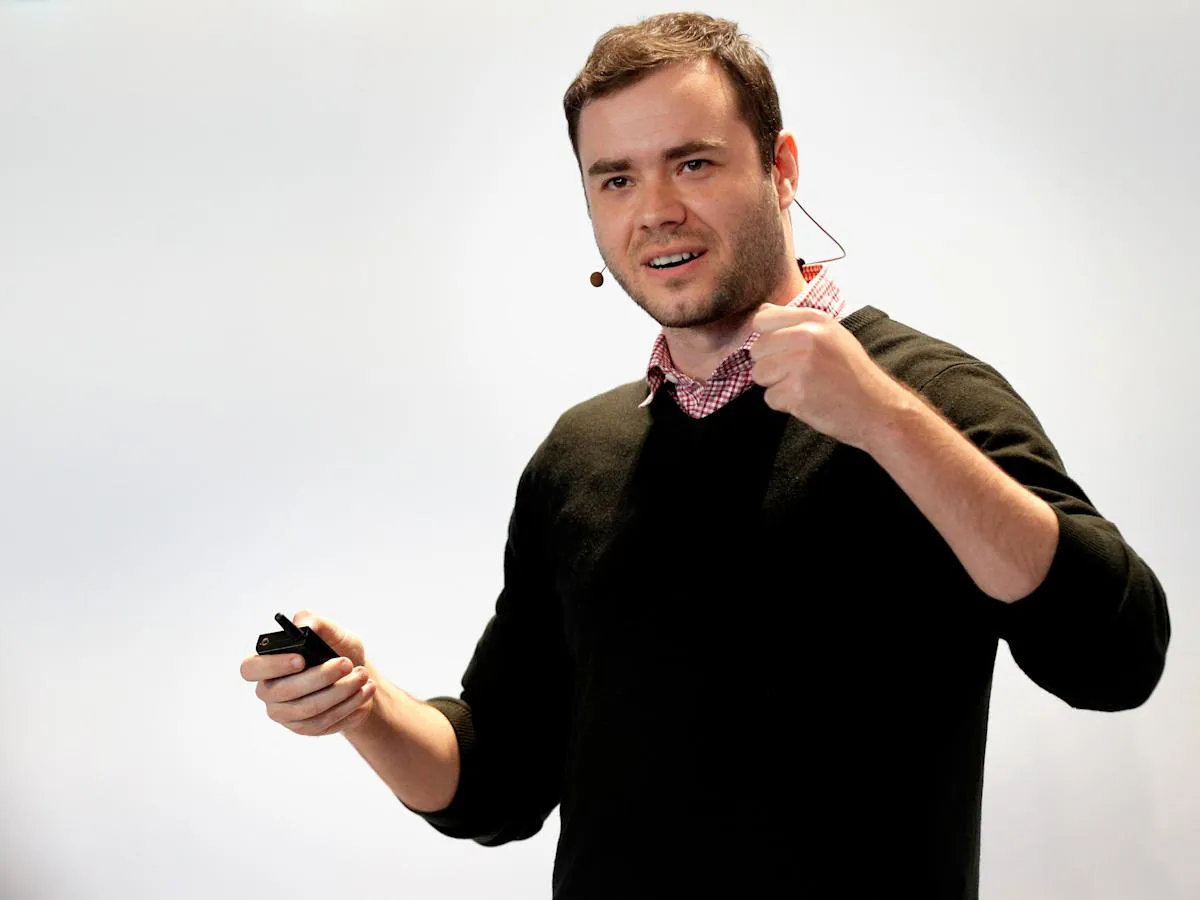
What does Andrej Karpathy’s perspective reveal about the future of coding?
Andrej Karpathy, a prominent figure in the AI community, has highlighted a transformative shift in software engineering practices, primarily driven by AI advancements. He asserts that his current coding approach consists of approximately 80% AI-generated code and only 20% manual coding. This significant change raises questions about the future role of human developers in an increasingly automated landscape.
How has AI changed the coding landscape?
Karpathy, a former director of AI at Tesla and a founding member of OpenAI, coined the term “vibe coding” to describe the new paradigm of AI-assisted programming. He noted, “I really am mostly programming in English now, a bit sheepishly telling the LLM what code to write… in words.” This shift reflects a broader trend in the industry, where 84% of developers report using or planning to use AI-assisted programming, according to Stack Overflow’s 2025 Developer Survey.
What are the implications of this shift?
Despite the growing reliance on AI tools, skepticism remains prevalent among developers. The same survey revealed that 46% of developers express doubts about the accuracy of AI-generated code, and only 3% claim to “highly trust” AI outputs. This skepticism highlights a tension between the efficiency offered by AI and the traditional skills that developers have honed over the years.
What challenges do developers face?
Karpathy himself has acknowledged the personal impact of this shift, stating, “I’ve already noticed that I am slowly starting to atrophy my ability to write code manually.” This sentiment resonates with many in the field, as the reliance on AI tools can lead to a decline in manual coding skills. Boris Cherny, another industry expert, remarked, “Pretty much 100% of our code is written by Claude Code,” emphasizing the extent to which AI is now integrated into the coding process.
What recent developments have occurred in AI-assisted coding?
In early February 2026, the NanoClaw project was launched by Gavriel Cohen, which has since garnered significant attention, amassing 18,000 stars on GitHub. However, the project faced challenges, including a fraudulent site that ranked above the legitimate one in Google search results. This incident underscores the complexities and potential pitfalls associated with the rapid adoption of AI tools in software development.
What does the future hold for AI in software engineering?
As AI continues to evolve, the coding landscape is likely to undergo further changes. The term “vibe coding” was even named Collins Dictionary’s word of the year, indicating its growing relevance in the industry. The question remains: how will developers adapt to this new reality, and what skills will be necessary to thrive in an AI-driven environment?
What remains uncertain?
While the integration of AI into software engineering presents exciting opportunities, details remain unconfirmed regarding the long-term implications for developer roles and the overall quality of AI-generated code. As the industry navigates this transition, ongoing discussions and research will be essential to address these uncertainties and shape the future of coding.