








What led to Kristi Noem’s removal as DHS Secretary?
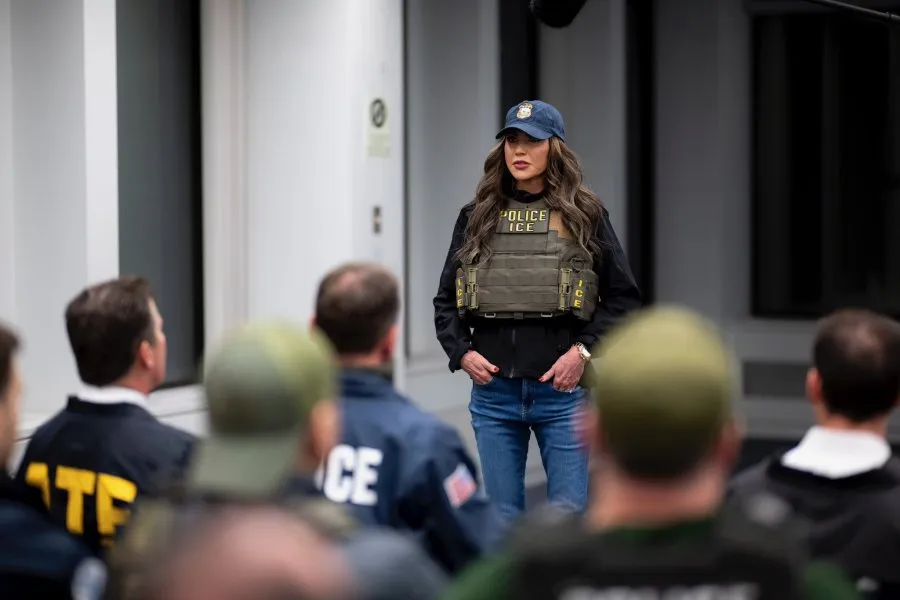
Kristi Noem’s recent removal as Secretary of the Department of Homeland Security (DHS) raises questions about the effectiveness of her leadership and the future direction of the department. President Donald Trump announced her removal on March 31, 2026, following a two-day congressional hearing where she faced bipartisan criticism for her handling of various issues, including immigration enforcement and emergency responses to natural disasters.
Details of the congressional hearing
The congressional hearing highlighted significant concerns regarding Noem’s oversight of controversial immigration enforcement operations, which included incidents where two U.S. citizens were fatally shot by federal agents in Minneapolis. This incident, along with her management of the DHS during crises such as the Texas floods and Hurricane Helene, drew sharp criticism from lawmakers across the political spectrum.
Trump’s perspective on Noem’s tenure
Despite the backlash, President Trump stated that Noem had served well and achieved numerous spectacular results, particularly regarding border issues. Noem herself described her accomplishments at DHS as historic, emphasizing her efforts to enhance national security. However, her controversial $220 million border security advertising campaign, which prominently featured her, also drew significant backlash.
Markwayne Mullin’s nomination
In the wake of Noem’s removal, Markwayne Mullin has been nominated to take over as DHS Secretary. If confirmed, Mullin would make history as the first Native American to lead the department. His professional background includes a 5-0 record in mixed martial arts, and he has expressed a commitment to upholding federal law enforcement, stating, “Obstructing federal law enforcement is a felony. Most Americans follow ICE instructions without thinking twice.”
Future implications for the DHS
Noem’s departure marks a significant shift in the Trump administration’s cabinet, as she is the first Senate-confirmed member to be removed this term. The implications of this change extend beyond personnel, as the DHS continues to navigate complex issues surrounding immigration and national security. Observers are keenly watching how Mullin’s leadership will differ from Noem’s and whether he will address the criticisms that plagued her tenure.
What comes next?
As the transition unfolds, Noem will serve as a special envoy for the Shield of the Americas initiative, a role that may allow her to leverage her experience in a different capacity. Meanwhile, the Senate will need to confirm Mullin, and the process will likely involve scrutiny regarding his qualifications and approach to the challenges facing the DHS.
Details remain unconfirmed regarding the timeline for Mullin’s confirmation and the specific strategies he intends to implement as he steps into this pivotal role. The future of the DHS and its policies will depend significantly on the direction he chooses to take.