







Understanding the Grahanam Timings Today
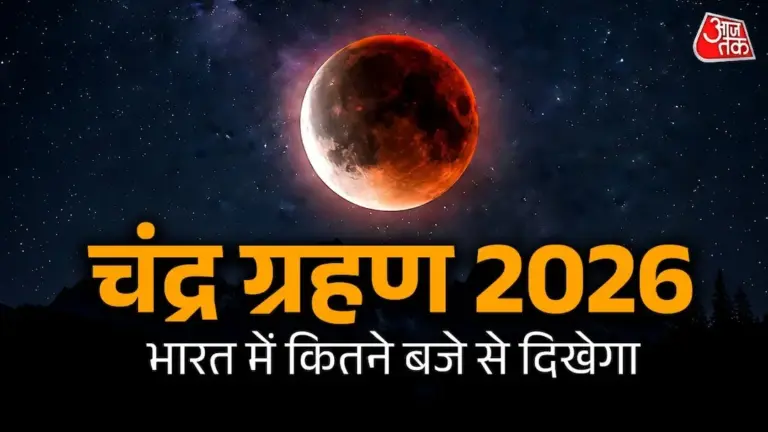
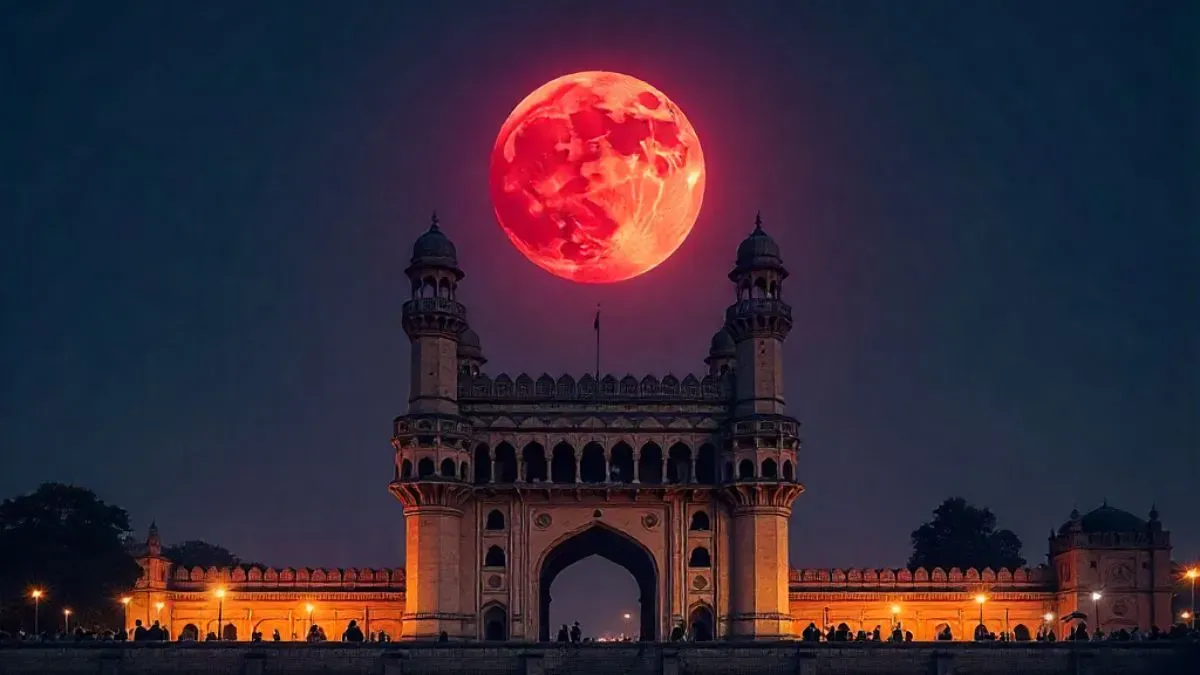
The anticipation surrounding the Chandra Grahan, or lunar eclipse, has been a significant aspect of Indian culture and astronomy. Traditionally, lunar eclipses are viewed with great interest, as they are believed to hold various spiritual and cultural meanings. As the date of March 3, 2026, approaches, many are eager to know the specific timings for this celestial event, which is expected to coincide with the festival of Holi.
Key Timings for the Lunar Eclipse
The Chandra Grahan will be observed on March 3, 2026, with a series of phases that will unfold throughout the day. The Sutak kaal, a period considered inauspicious for certain activities, will begin at 6:20 AM. Following this, the penumbral phase of the eclipse will commence at 2:14 PM, marking the beginning of the observable changes in the Moon’s appearance.
As the event progresses, the partial phase will start at 3:30 PM, leading to totality, which will begin at 4:58 PM. The maximum eclipse will occur at 5:25 PM, a moment when the Moon will be completely covered by the Earth’s shadow. Totality will end at 5:32 PM, and the partial phase will conclude at 6:47 PM. Finally, the penumbral phase will wrap up at 7:53 PM.
Visibility Across India
The visibility of the lunar eclipse will vary across different regions of India. While the eclipse will be partially or fully visible depending on the city, the northeastern states are expected to witness the most dramatic views, with the Moon rising already in eclipse. In many Indian cities, the eclipse will appear as a Grastodaya event, adding to the excitement and significance of the occasion.
Safety and Viewing Recommendations
One of the notable aspects of lunar eclipses is that they are safe to view with the naked eye; no special glasses are required. This accessibility allows many people to engage with the event, whether they are seasoned astronomers or casual observers. The upcoming Chandra Grahan presents an excellent opportunity for families and individuals to gather and witness this natural phenomenon together.
Expert Perspectives on the Event
Experts in astronomy emphasize the importance of lunar eclipses in understanding celestial mechanics. A lunar eclipse occurs when Earth moves between the Sun and the Moon, casting its shadow on the Moon. This alignment not only provides a visual spectacle but also serves as a reminder of the intricate dance of celestial bodies that govern our night sky.
Significance of the Timing
The coincidence of the lunar eclipse with Holi on March 3, 2026, adds an additional layer of cultural significance to the event. As people celebrate the festival of colors, the presence of a lunar eclipse may influence various rituals and observances, reflecting the deep connection between astronomical events and cultural practices in India.
As the date approaches, the excitement surrounding the grahanam timings today continues to build. With detailed timings and visibility information now available, individuals across India can prepare to witness this remarkable celestial event. While the details remain unconfirmed, the anticipation of the Chandra Grahan on March 3, 2026, serves as a reminder of the wonders of the universe and their impact on our lives.